Image
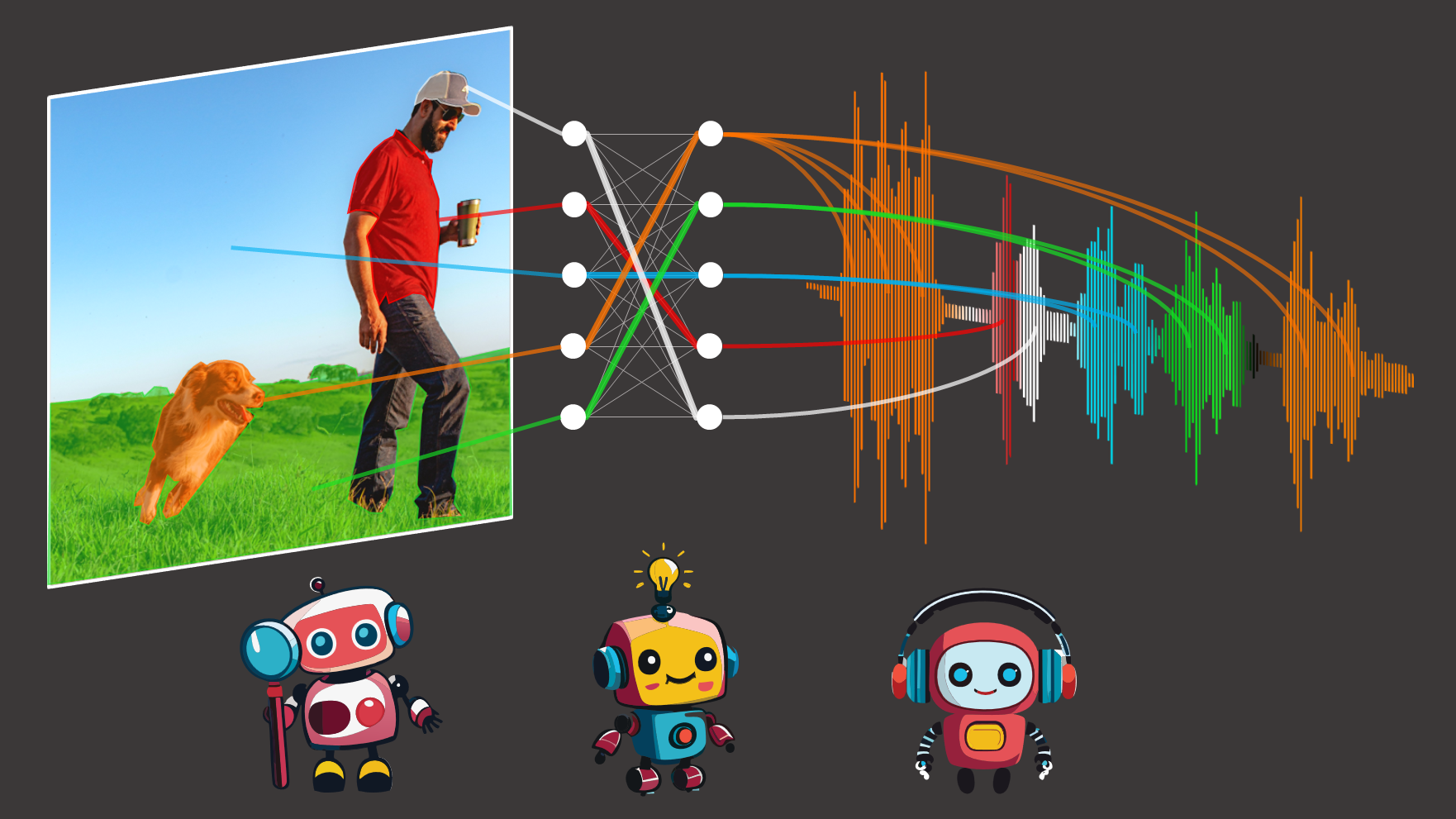
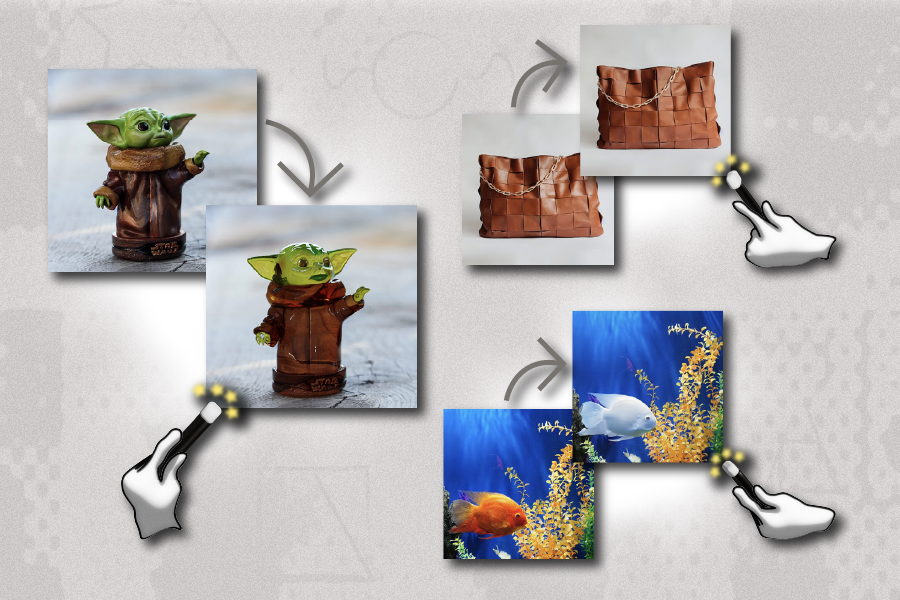
alt="The automated, multimodal approach developed by MIT researchers interprets artificial vision models that evaluate the properties of images (Credits: iStock)."
CSAIL article

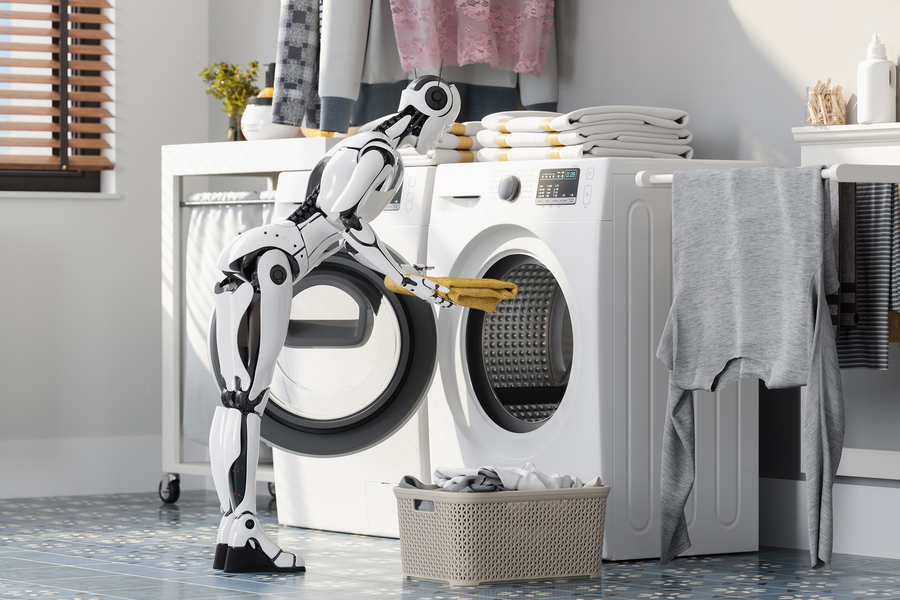
As artificial intelligence models become increasingly prevalent and are integrated into diverse sectors like health care, finance, education, transportation, and entertainment, understanding how they work under the hood is critical. Interpreting the mechanisms underlying AI models enables us to audit them for safety and biases, with the potential to deepen our understanding of the science behind intelligence itself.

Image
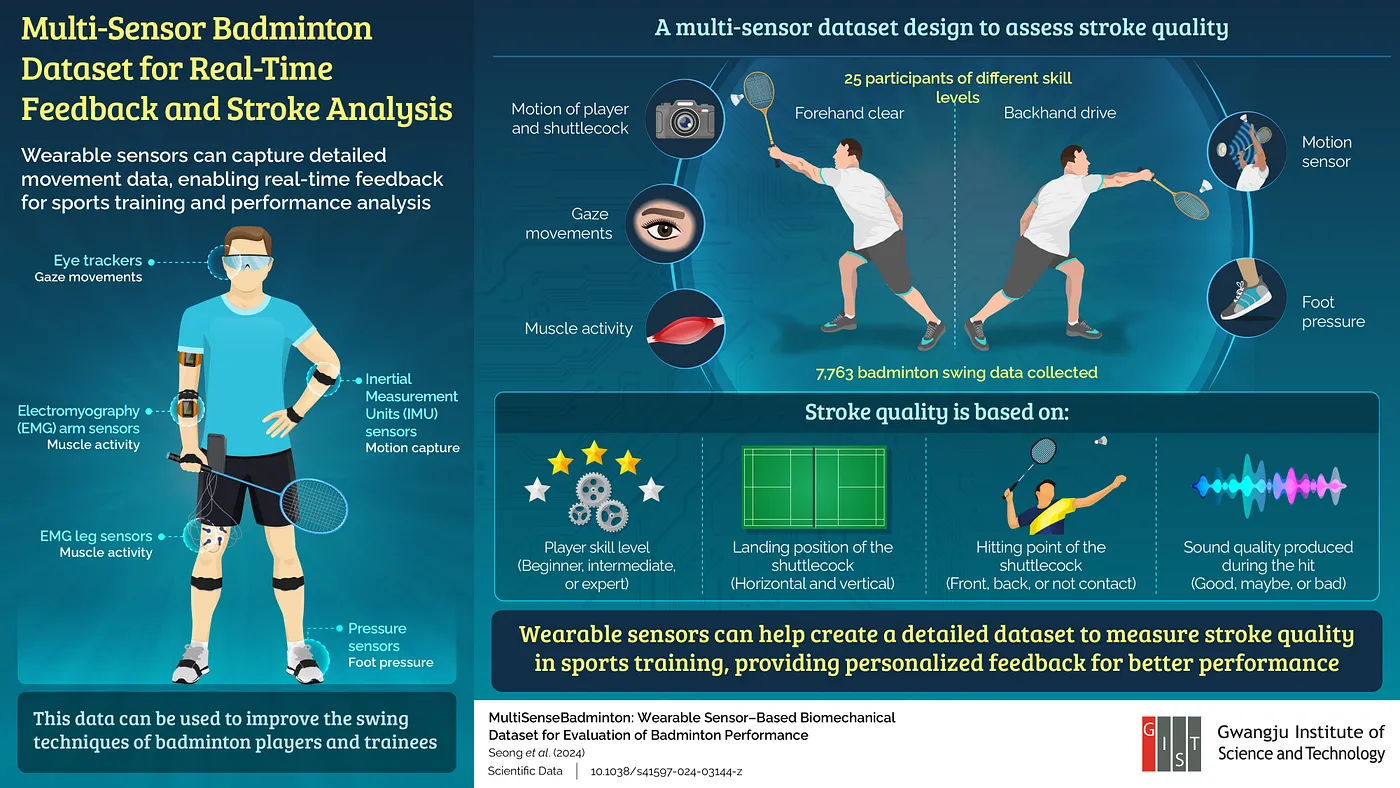
alt="The dataset contains movements and physiological responses of badminton players and can be used to build AI-driven coaching assistants. This development could improve the quality of forehand clear and backhand drive strokes across all skill levels, from beginners to experts (Credit: SeungJun Kim at GIST)."
CSAIL article

In sports training, practice is the key, but being able to emulate the techniques of professional athletes can take a player’s performance to the next level. AI-based personalized sports coaching assistants assist with this by utilizing published datasets. With cameras and sensors strategically placed on the athlete's body, these systems can track everything, including joint movement patterns, muscle activation levels, and gaze movements.

Image
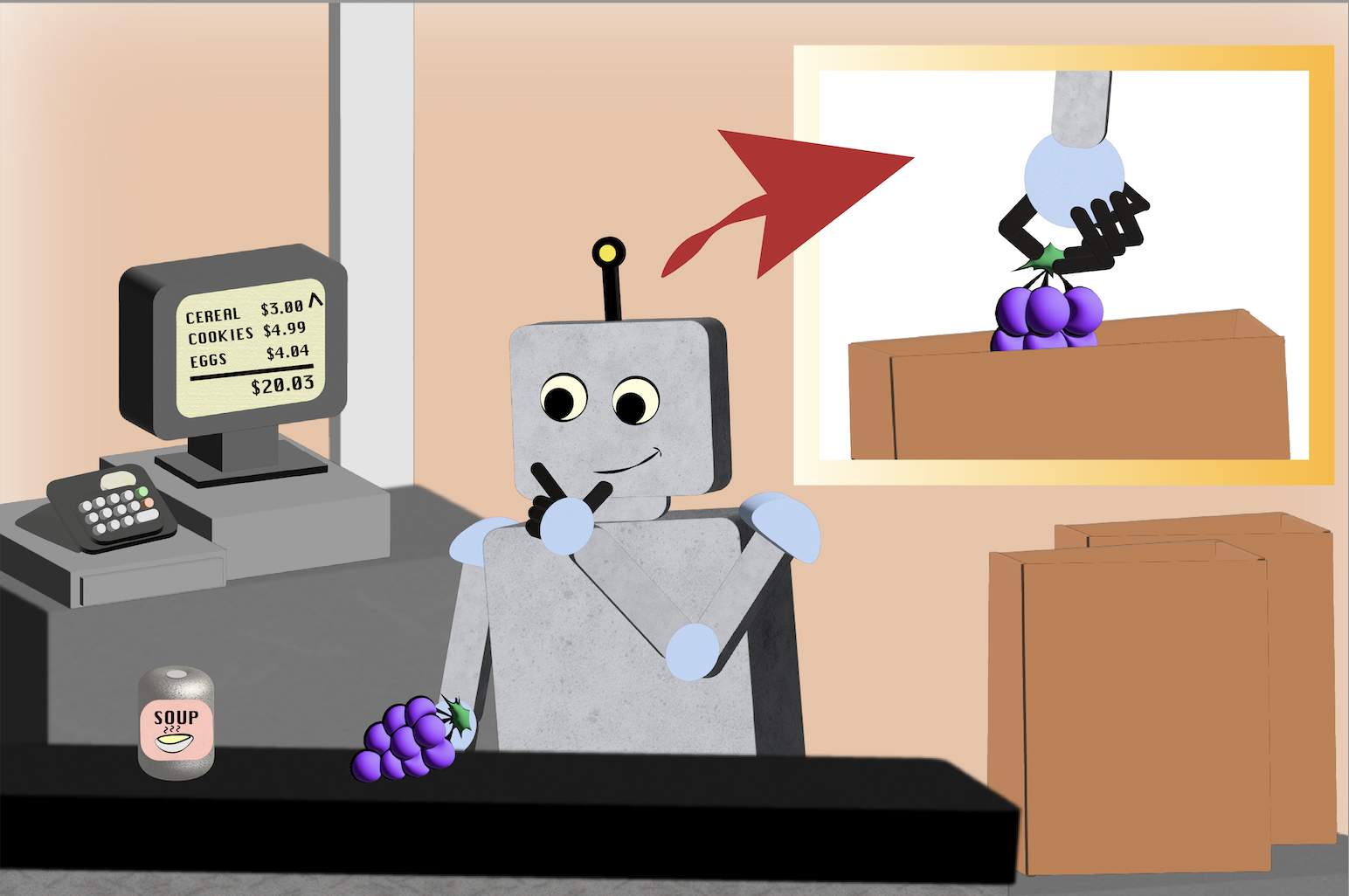
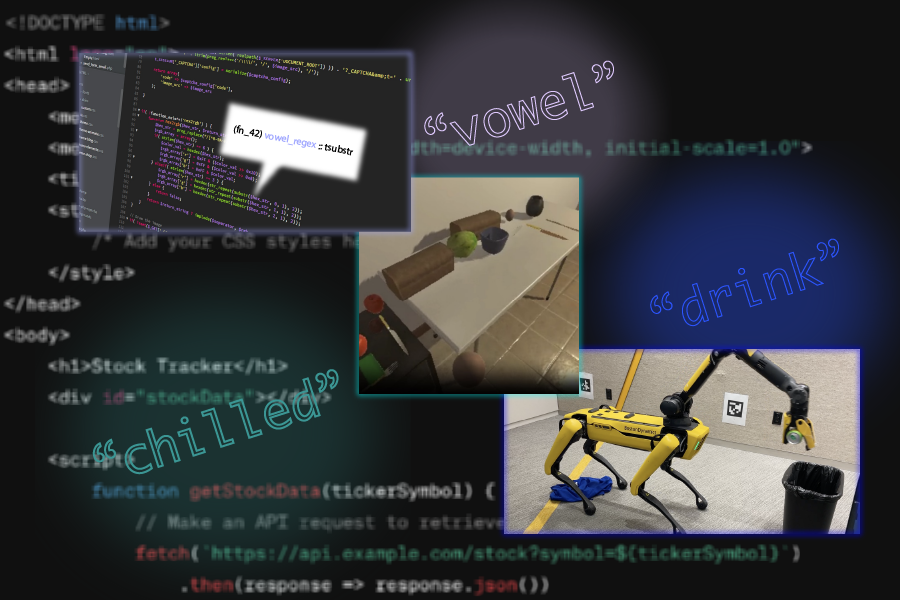
Three new frameworks from MIT CSAIL reveal how natural language can provide important context for language models that perform coding, AI planning, and robotics tasks (Credit: Alex Shipps/MIT CSAIL, with components from the researchers and Pixabay).
CSAIL article

Large language models (LLMs) are becoming increasingly useful for programming and robotics tasks, but for more complicated reasoning problems, the gap between these systems and humans looms large. Without the ability to learn new concepts like humans do, these systems fail to form good abstractions — essentially, high-level representations of complex concepts that skip less-important details — and thus sputter when asked to do more sophisticated tasks.