Given that our smartphones have largely become appendages over the last decade, it’s hard to imagine that ten years ago there was no Instagram, Uber, TikTok or Tinder. The ways we move, shop, eat and communicate continue to evolve thanks to the technologies we use. It can be easy to forget how quickly things have changed - so let’s turn back the clocks and reminisce about some of the computing breakthroughs that have transformed our lives in the ’10s.
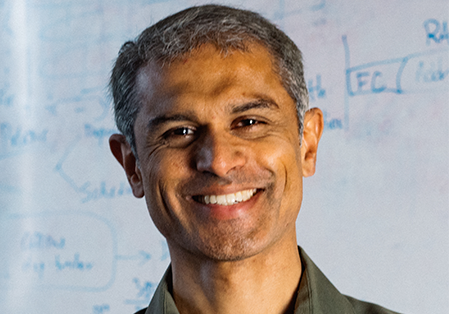
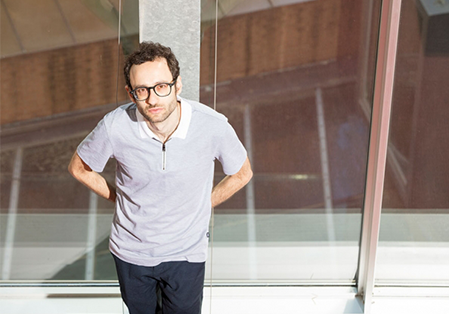
The Institute of Electrical and Electronics Engineers (IEEE) has named MIT professor Hari Balakrishnan an elected fellow for his contributions to “the design and application of mobile sensing systems.”
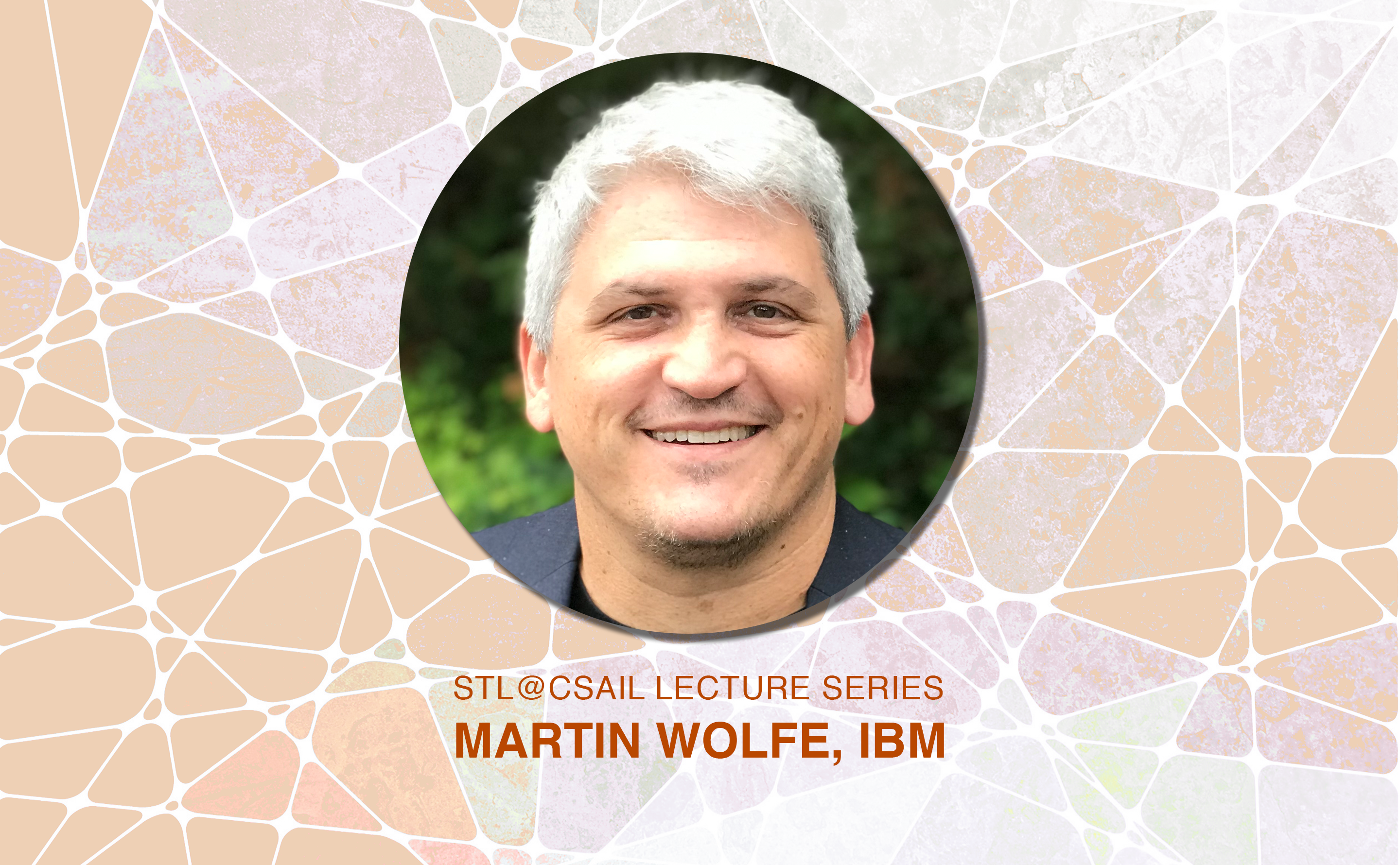
This talk covers work being done in the Retail and Consumer Products industries, where there is a need to track and trace live goods including plants and food. The technical aspects of how to implement this will be covered including where Internet of Things (IoT) sensors are leveraged to provide location, status, and state to know previous, current, and future provenance of products materials, and consumer goods. Blockchain, sensors, and analytics will be covered in specifically how they are used in various examples.
Existing efforts to detect IP hijacks tend to look at specific cases when they’re already in process. But what if we could predict these incidents in advance by tracing things back to the hijackers themselves?
Cities are now beginning to question how much citizen data, if any, they can use to track government operations. In a new study, MIT researchers find that there is, in fact, a way for cities to preserve citizen privacy while using their data to improve efficiency.
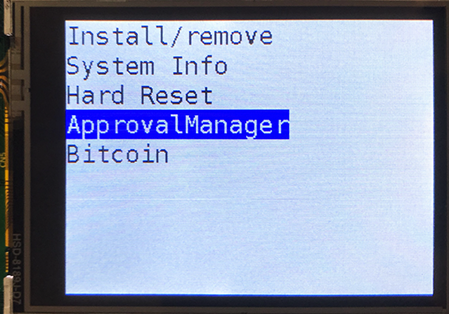
CSAIL researcher Anish Athalye describes hardware wallets as more than just a handy tool for Bitcoin miners - to him, they represent a fundamental paradigm shift that moves away from viewing computers themselves as ground zero for digital security.
For years, MIT Associate Professor Adam Chlipala has been toiling away behind behind-the-scenes, developing tools to help programmers more quickly and easily generate their code — and prove it does what it’s supposed to do.
MIT and the US Air Force have signed an agreement to launch a new program designed to make fundamental advances in artificial intelligence that could improve Air Force operations while also addressing broader societal needs.