Image
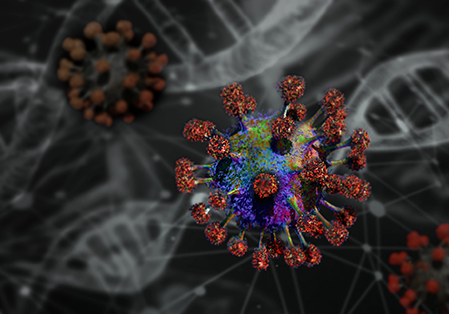
coronavirus pandemic
CSAIL article

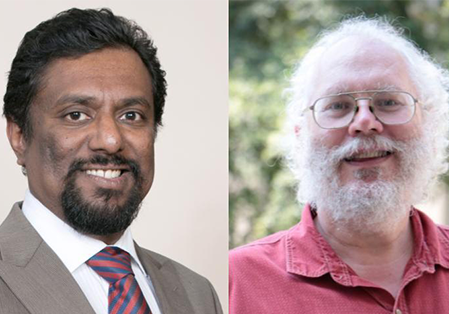
His development of multiscale representations as a generalization of renormalization group addressed the limitations of calculus and statistics in the study of nonlinear and network system dependencies in collective behaviors. His recent work quantitatively analyzes the origins and impacts of market crashes, social unrest, ethnic violence, military conflict and pandemics, the structure and dynamics of social networks, as well as the bases of creativity, panic, evolution and altruism.
Image
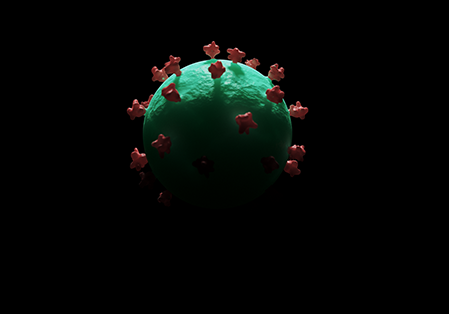
coronavirus
CSAIL article

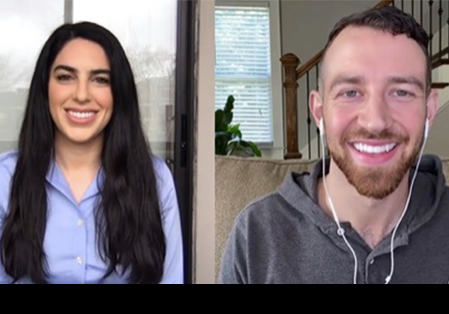
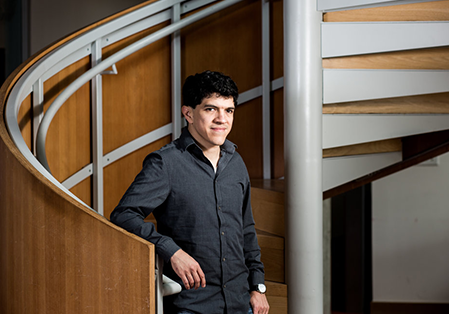
Michael Z. Lin, Associate Professor, Stanford University, describes the basic biology of coronaviruses and the disease COVID-19, projections for the current epidemic, and reviews medications currently in clinical trials.

Image
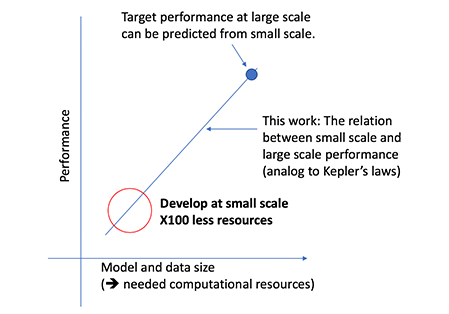
faster computer chips
CSAIL article

“Modern computer processors are opaque, horrendously complicated, and difficult to understand. It is also incredibly challenging to write computer code that executes as fast as possible for these processors,” says co-author Michael Carbin, an assistant professor in the Department of Electrical Engineering and Computer Science (EECS). “This tool is a big step forward toward fully modeling the performance of these chips for improved efficiency.”

Image
biggest tech breakthroughs
CSAIL article

Given that our smartphones have largely become appendages over the last decade, it’s hard to imagine that ten years ago there was no Instagram, Uber, TikTok or Tinder. The ways we move, shop, eat and communicate continue to evolve thanks to the technologies we use. It can be easy to forget how quickly things have changed - so let’s turn back the clocks and reminisce about some of the computing breakthroughs that have transformed our lives in the ’10s.