Image
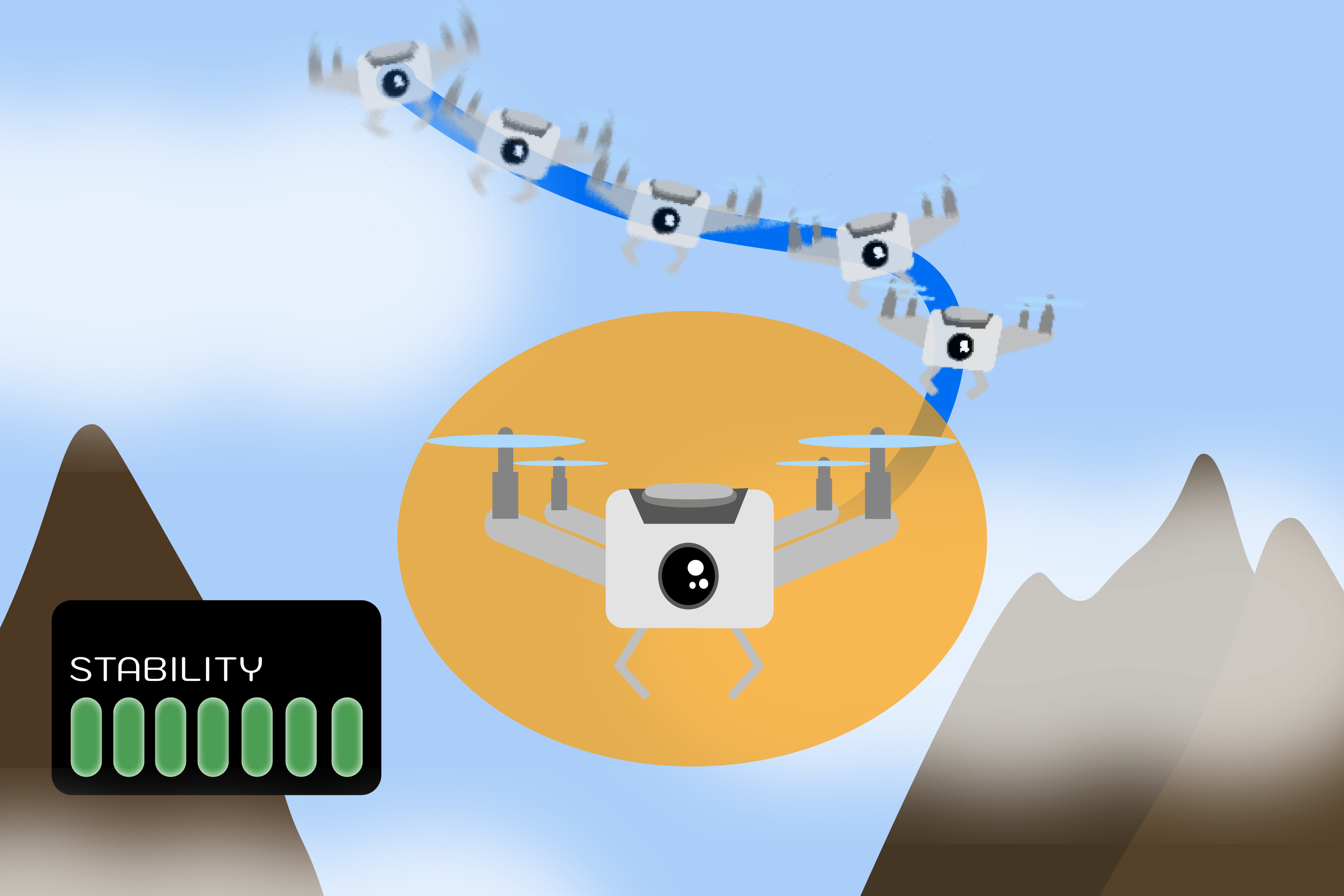
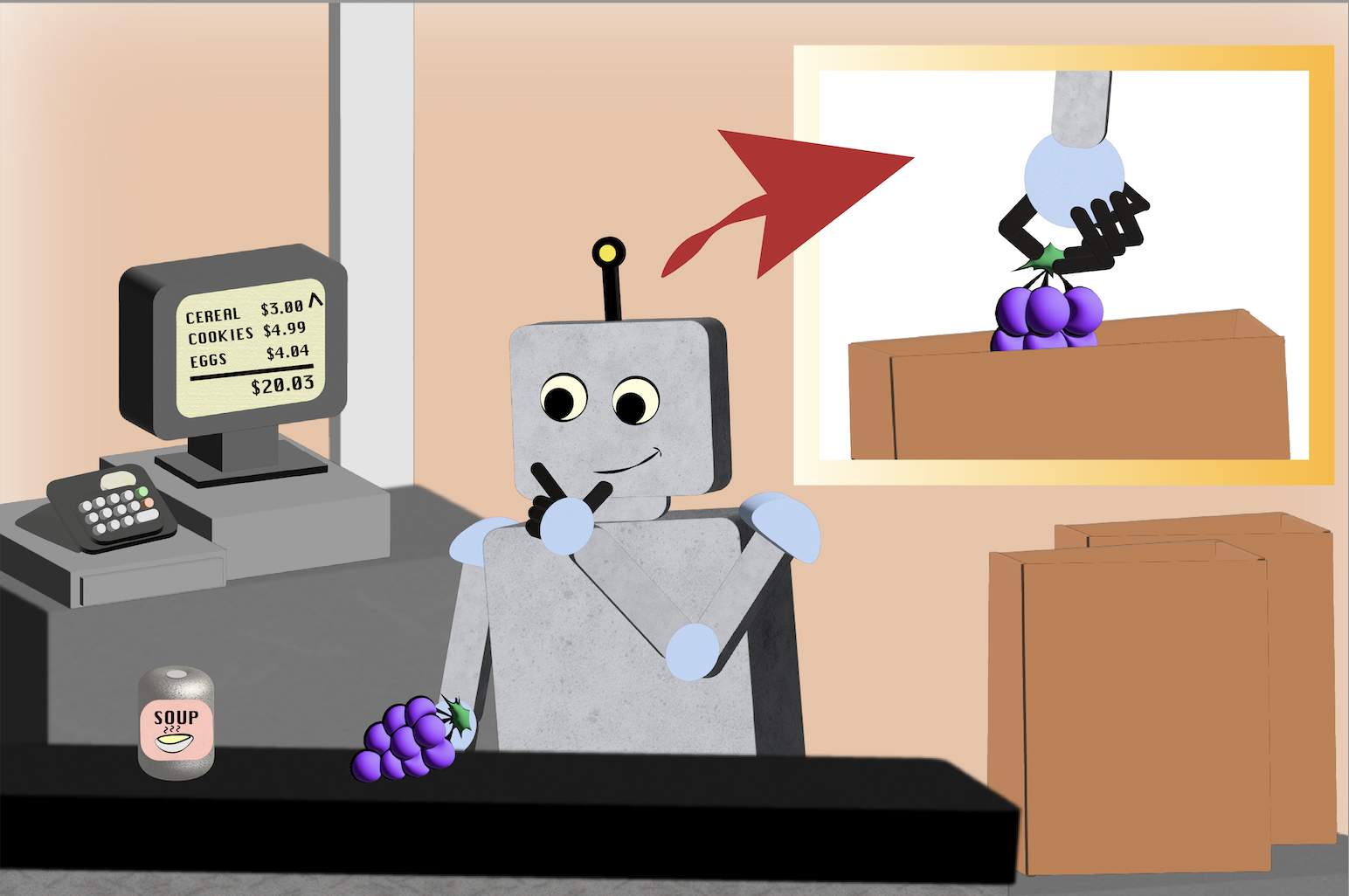
The Grasping Neural Process uses limited interaction data to help robots understand unclear objects in real-time (Credits: Alex Shipps/MIT CSAIL).
CSAIL article

When robots come across unfamiliar objects, they struggle to account for a simple truth: Appearances aren’t everything. They may attempt to grasp a block, only to find out it’s a literal piece of cake. The misleading appearance of that object could lead the robot to miscalculate physical properties like the object’s weight and center of mass, using the wrong grasp and applying more force than needed.

Image
alt="The dataset contains movements and physiological responses of badminton players and can be used to build AI-driven coaching assistants. This development could improve the quality of forehand clear and backhand drive strokes across all skill levels, from beginners to experts (Credit: SeungJun Kim at GIST)."
CSAIL article

In sports training, practice is the key, but being able to emulate the techniques of professional athletes can take a player’s performance to the next level. AI-based personalized sports coaching assistants assist with this by utilizing published datasets. With cameras and sensors strategically placed on the athlete's body, these systems can track everything, including joint movement patterns, muscle activation levels, and gaze movements.

Image
alt="DNA strands (Credit: Pixabay)."
CSAIL article

When you’re trying to understand which diseases or physical traits you’re predisposed to, the answers are sprinkled across your DNA. One powerful method for decoding this genetic forecast is polygenic scores, which give patients estimates of their risk for a condition and the likelihood of having physical characteristics (phenotypes, like being tall). Researchers seek to improve the accuracy of these cumulative predictions to account for most of the known genetic contributions.

Image
MIT News Heart Dissection
CSAIL article

Your heart is a tireless organ that beats about 3 billion times over an average lifetime and is simply essential for life. Unsurprisingly, cardiovascular disease is the leading cause of death worldwide, costing millions of lives each year. This relentless condition primarily damages the heart, which is divided into four main chambers: the right atrium, left atrium, right ventricle, and left ventricle. Understanding the functions and vulnerabilities of these chambers is crucial in the fight against heart disease.