The neural network artificial intelligence models used in applications like medical image processing and speech recognition perform operations on hugely complex data structures that require an enormous amount of computation to process. This is one reason deep-learning models consume so much energy.
From crafting complex code to revolutionizing the hiring process, generative artificial intelligence is reshaping industries faster than ever before — pushing the boundaries of creativity, productivity, and collaboration across countless domains.
If you’ve watched cartoons like Tom and Jerry, you’ll recognize a common theme: An elusive target avoids his formidable adversary. This game of “cat-and-mouse” — whether literal or otherwise — involves pursuing something that ever-so-narrowly escapes you at each try.
CSAIL principal investigator Charles Leiserson - a professor in MIT’s department of Electrical Engineering and Computer Science (EECS) - recently co-authored a paper published by the Computing Research Association as part of the first edition of their “Quadrennial Papers,” published every four years.
As the capabilities of generative AI models have grown, you've probably seen how they can transform simple text prompts into hyperrealistic images and even extended video clips.
In a two-part series, MIT News explores the environmental implications of generative AI. In this article, we look at why this technology is so resource-intensive. A second piece will investigate what experts are doing to reduce genAI’s carbon footprint and other impacts.
MIT professor Stefanie Mueller’s group has spent much of the last decade developing a variety of computing techniques aimed at reimagining how products and systems are designed. Much in the way that platforms like Instagram allow users to modify 2-D photographs with filters, Mueller imagines a world where we can do the same thing for a wide array of physical objects.
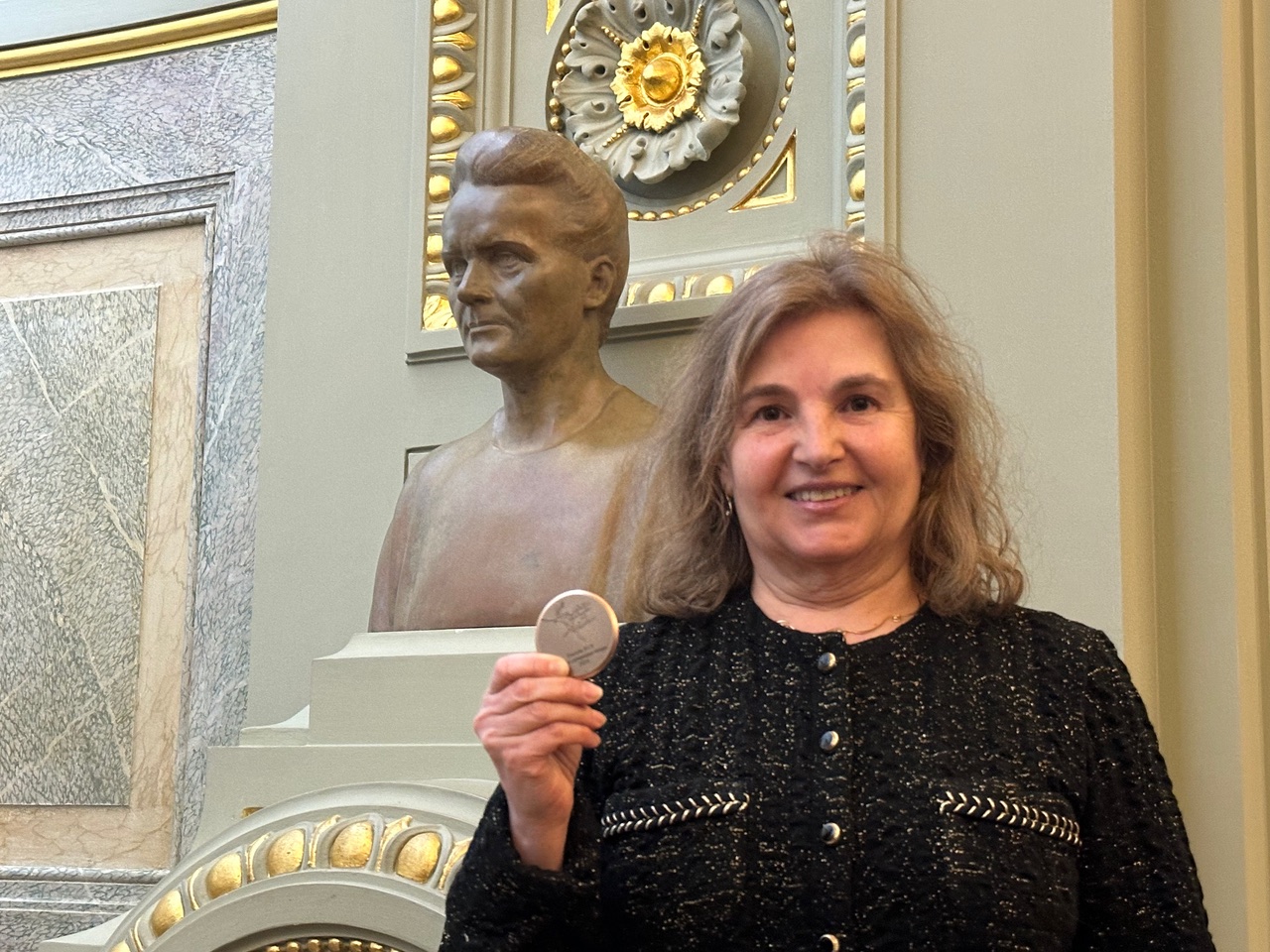
Daniela Rus, a distinguished computer scientist and professor at the Massachusetts Institute of Technology (MIT), has been honored with induction into the prestigious Académie Nationale de Médecine (ANM) as a foreign member on January 7, 2025. As the Director of MIT's Computer Science and Artificial Intelligence Laboratory (CSAIL), Daniela leads over 1,700 researchers in pioneering innovations to advance computing and improve global well-being.
By adapting artificial intelligence models known as large language models, researchers have made great progress in their ability to predict a protein’s structure from its sequence. However, this approach hasn’t been as successful for antibodies, in part because of the hypervariability seen in this type of protein.
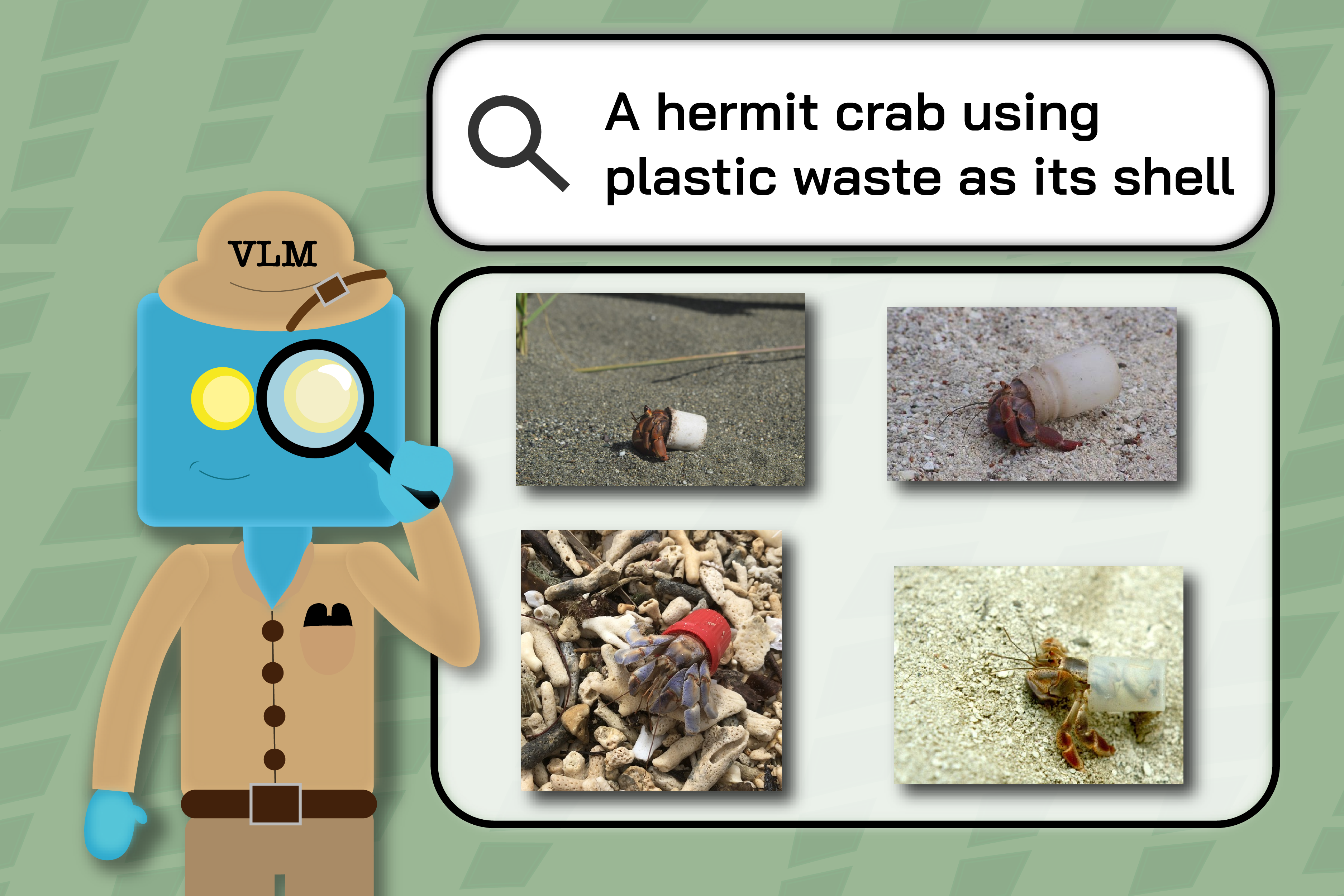
Try taking a picture of each of North America's roughly 11,000 tree species, and you’ll have a mere fraction of the millions of photos within nature image datasets. These massive collections of snapshots — ranging from butterflies to humpback whales — are a great research tool for ecologists because they provide evidence of organisms’ unique behaviors, rare conditions, migration patterns, and responses to pollution and other forms of climate change.