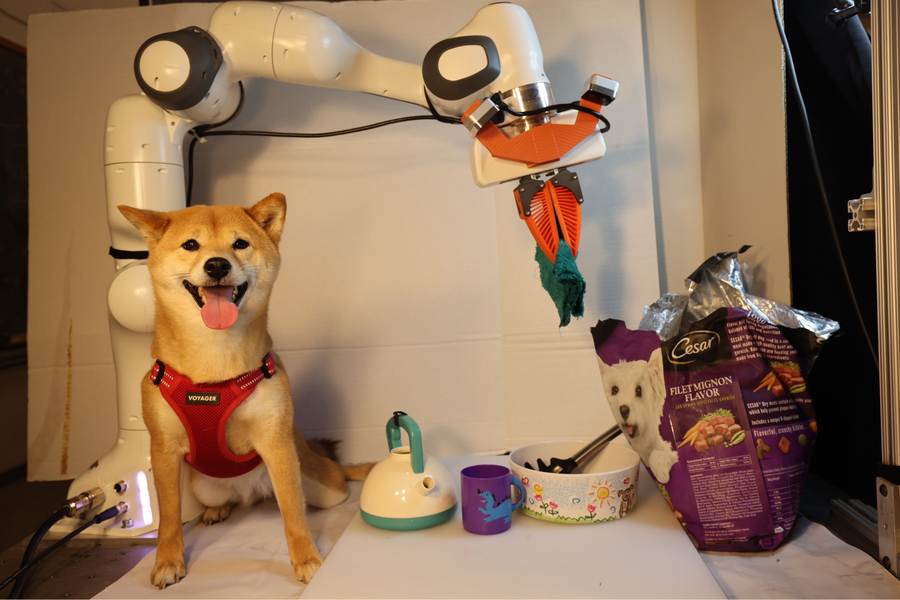
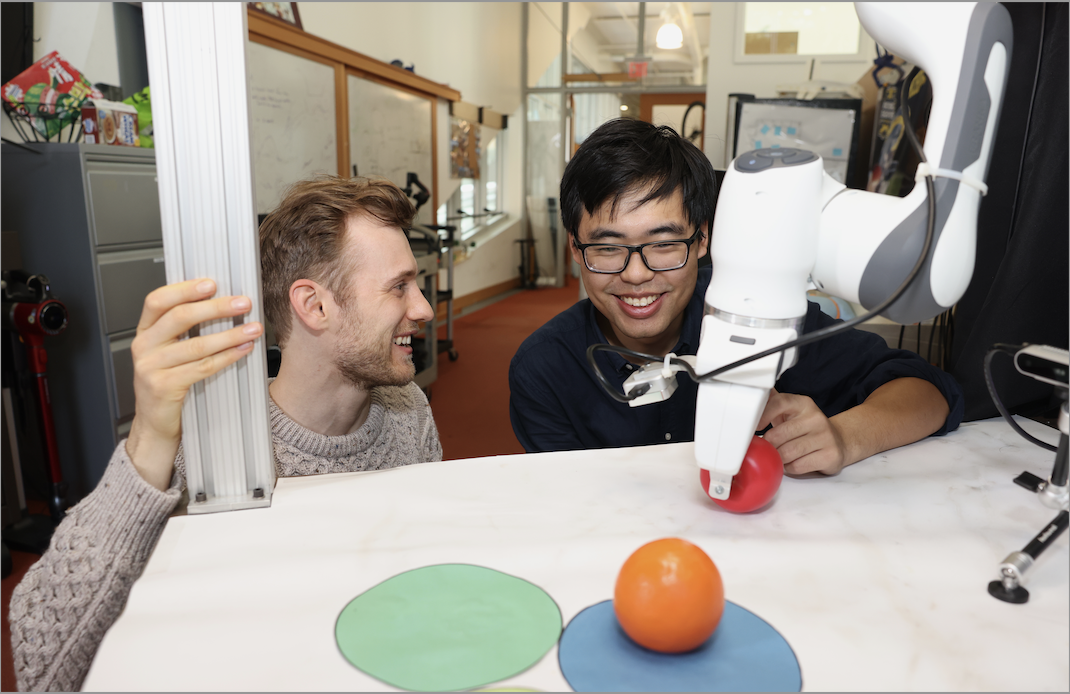
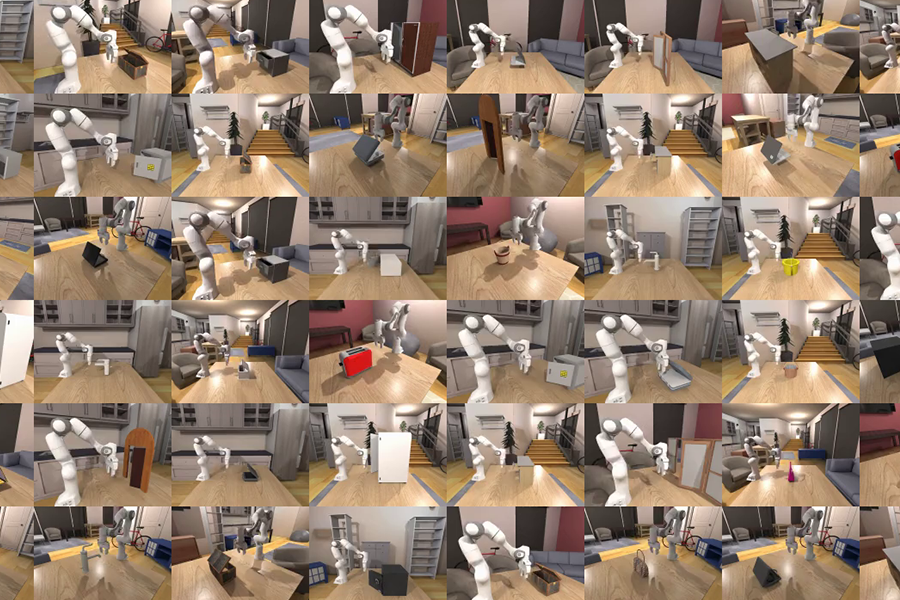
In the classic cartoon “The Jetsons,” Rosie the robotic maid seamlessly switches from vacuuming the house to cooking dinner to taking out the trash. But in real life, training a general-purpose robot remains a major challenge.
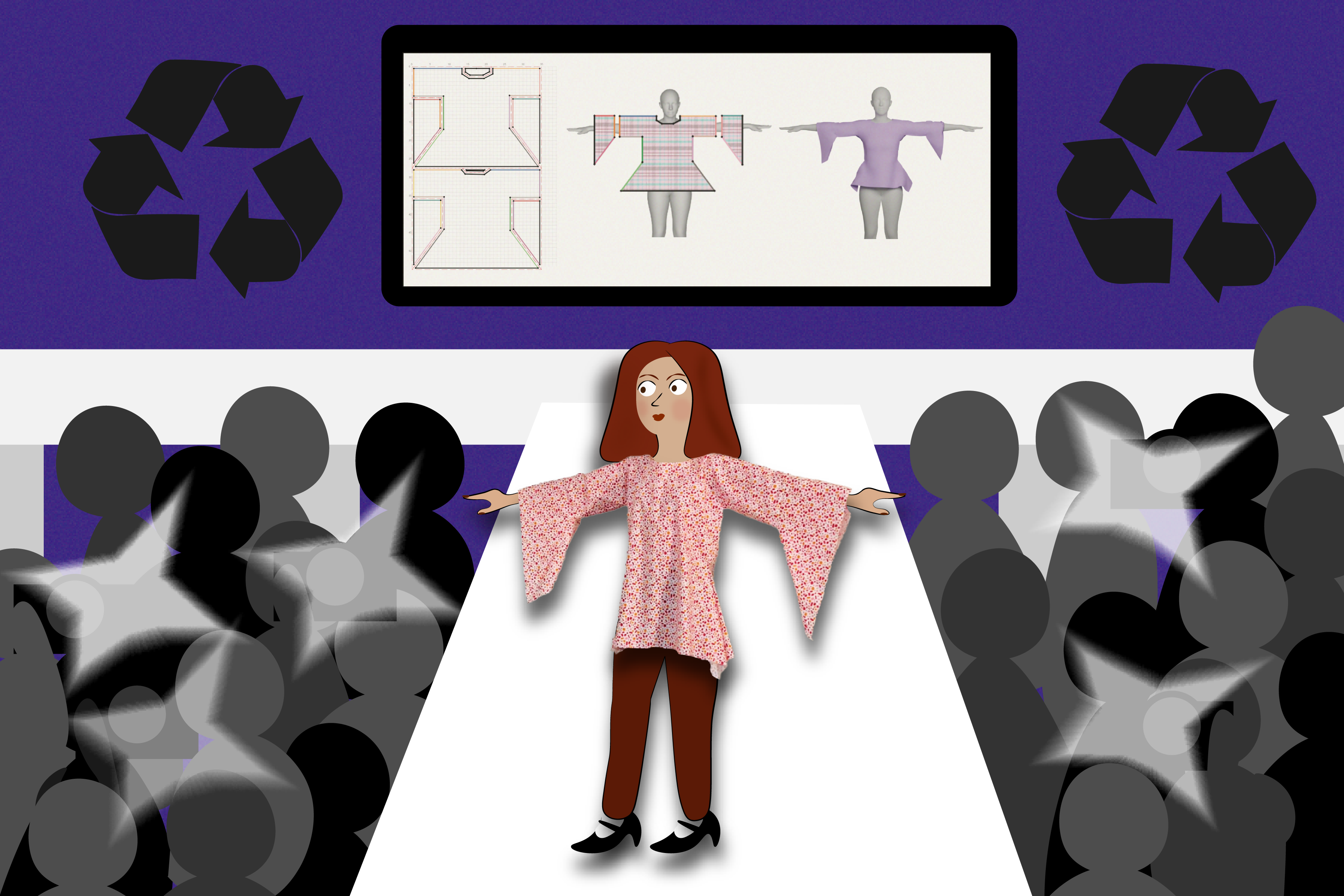
What does sustainable fashion design have in common with Tetris? For both, an intriguing puzzle awaits, where you must configure unique shapes in a way that fills up the available space.
Despite their impressive capabilities, large language models are far from perfect. These artificial intelligence models sometimes “hallucinate” by generating incorrect or unsupported information in response to a query.
In the current AI zeitgeist, sequence models have skyrocketed in popularity for their ability to analyze data and predict what to do next. For instance, you’ve likely used next-token prediction models like ChatGPT, which anticipate each word (token) in a sequence to form answers to users’ queries. There are also full-sequence diffusion models like Sora, which convert words into dazzling, realistic visuals by successively “denoising” an entire video sequence
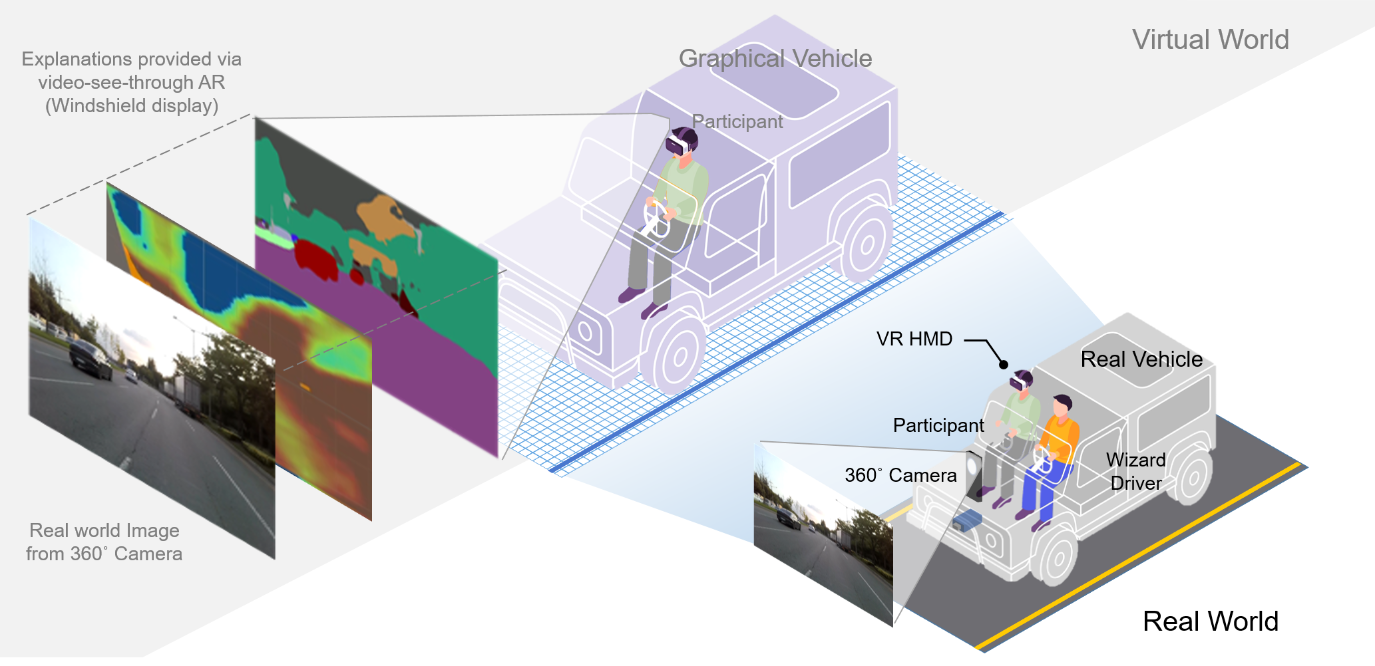
The Proceedings of the ACM on Interactive, Mobile, Wearable, and Ubiquitous Technologies (IMWUT) Editorial Board has awarded MIT Computer Science and Artificial Intelligence Laboratory (CSAIL) and the Gwangju Institute of Science and Technology (GIST) researchers with a Distinguished Paper Award for their evaluation of visual explanations in autonomous vehicles’ decision-making.
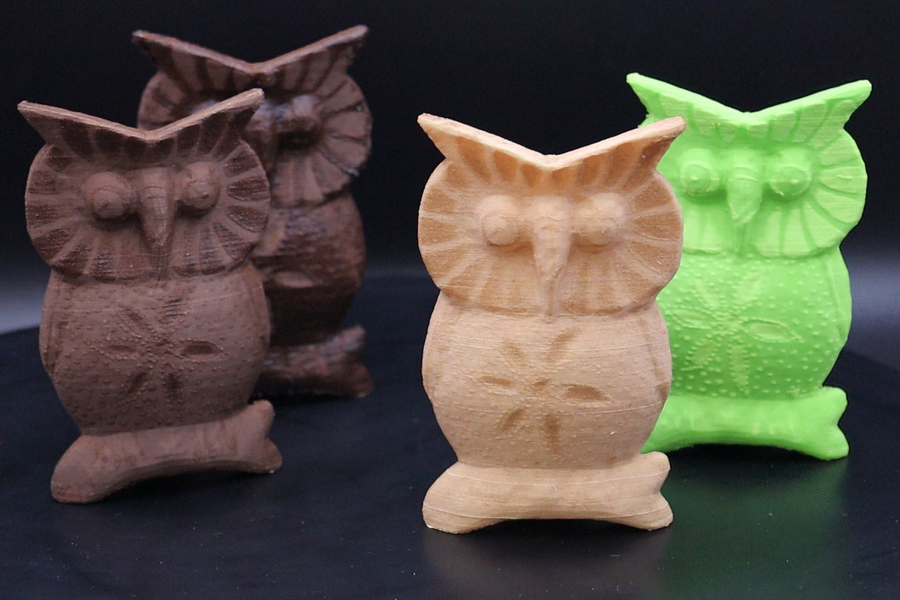
Multimaterial 3D printing enables makers to fabricate customized devices with multiple colors and varied textures. But the process can be time-consuming and wasteful because existing 3D printers must switch between multiple nozzles, often discarding one material before they can start depositing another.
For robots, simulation is a great teacher for learning long-horizon (multi-step) tasks — especially compared to how long it takes to collect real-world training data.
Imagine you’re tasked with sending a team of football players onto a field to assess the condition of the grass (a likely task for them, of course). If you pick their positions randomly, they might cluster together in some areas while completely neglecting others. But if you give them a strategy, like spreading out uniformly across the field, you might get a far more accurate picture of the grass condition.
In 1994, Florida jewelry designer Diana Duyser discovered what she believed to be the Virgin Mary’s image in a grilled cheese sandwich, which she preserved and later auctioned for $28,000. But how much do we really understand about pareidolia, the phenomenon of seeing faces and patterns in objects when they aren’t really there?
AI systems are increasingly being deployed in safety-critical health care situations. Yet these models sometimes hallucinate incorrect information, make biased predictions, or fail for unexpected reasons, which could have serious consequences for patients and clinicians.