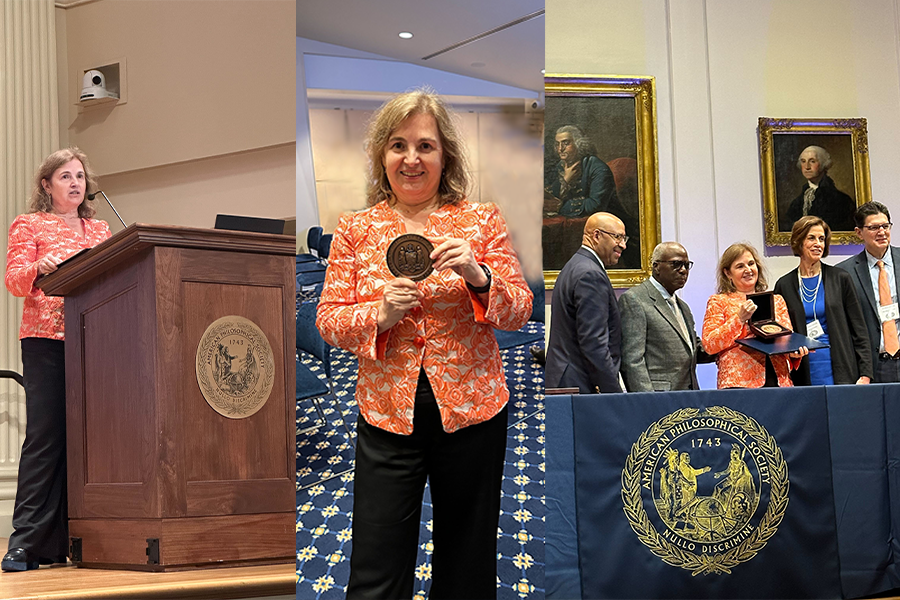
Daniela Rus, Director of CSAIL and MIT EECS Professor, was recently named a co-recipient of the 2024 John Scott Award by the Board of Directors of City Trusts. This prestigious honor, steeped in historical significance, celebrates scientific innovation at the very location where American independence was signed in Philadelphia, a testament to the enduring connection between scientific progress and human potential.
As far as user data is concerned, much is made of the big social media conglomerates like Google and Meta. However, cloud service providers such as Amazon Web Services and Microsoft Azure are the backbone of countless applications, holding the keys to vast amounts of data stored on their servers.
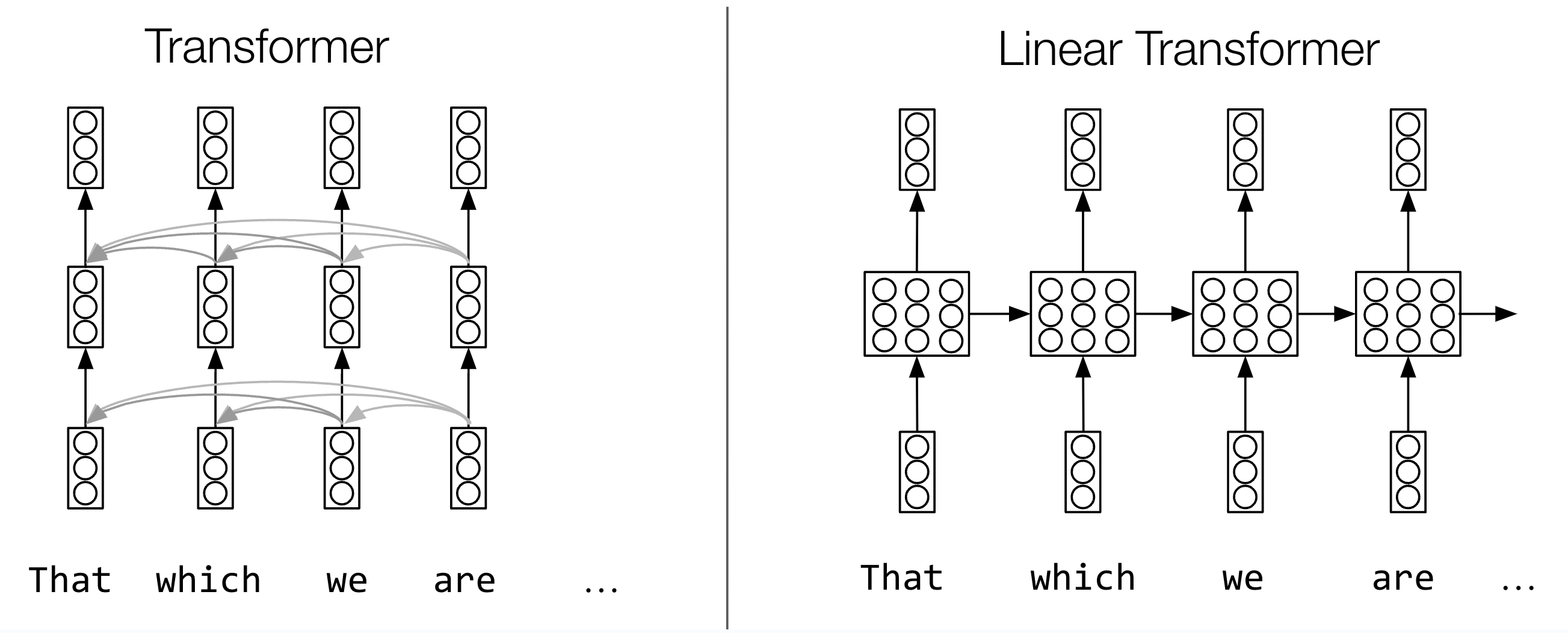
Generative AI systems like large language models rely heavily on deep learning - and, in particular, transformers. Transformers make use of an “attention mechanism” for modeling interactions among inputs, which essentially involves doing nonlinear pairwise comparison between inputs and assigning different weights to tokens in a sequence, enabling a prioritization of some over others. The empirical effectiveness of this attention mechanism has led some in the community to claim that attention is “all you need” (the title of the original 2017 Google paper that introduced transformers).
The Irish philosopher George Berkely, best known for his theory of immaterialism, once famously mused, “If a tree falls in a forest and no one is around to hear it, does it make a sound?”
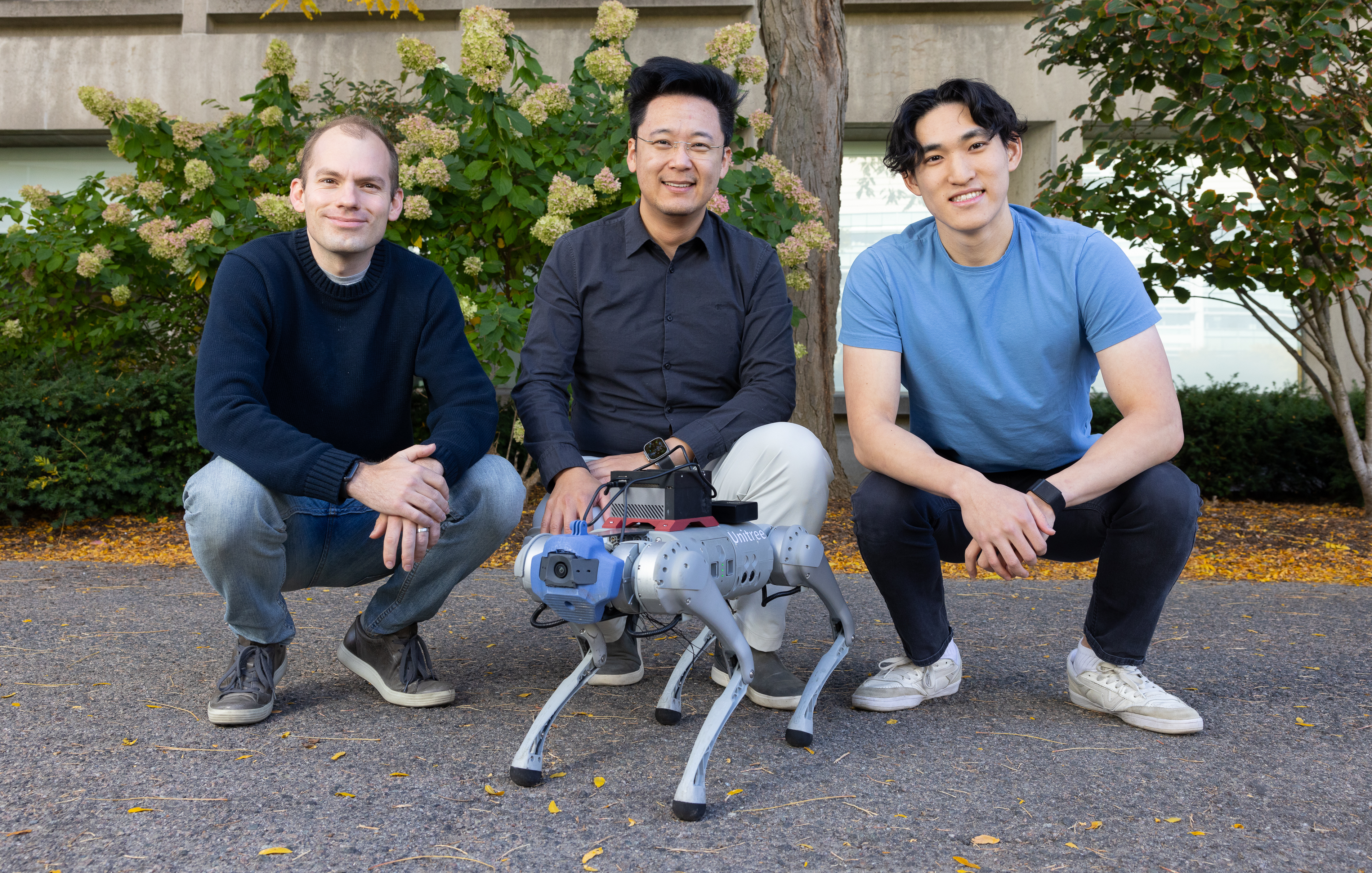
For roboticists, one challenge towers above all others: generalization – the ability to create machines that can adapt to any environment or condition. Since the 1970s, the field has evolved from writing sophisticated programs to using deep learning, teaching robots to learn directly from human behavior. But a critical bottleneck remains: data quality. To improve, robots need to encounter scenarios that push the boundaries of their capabilities, operating at the edge of their mastery.
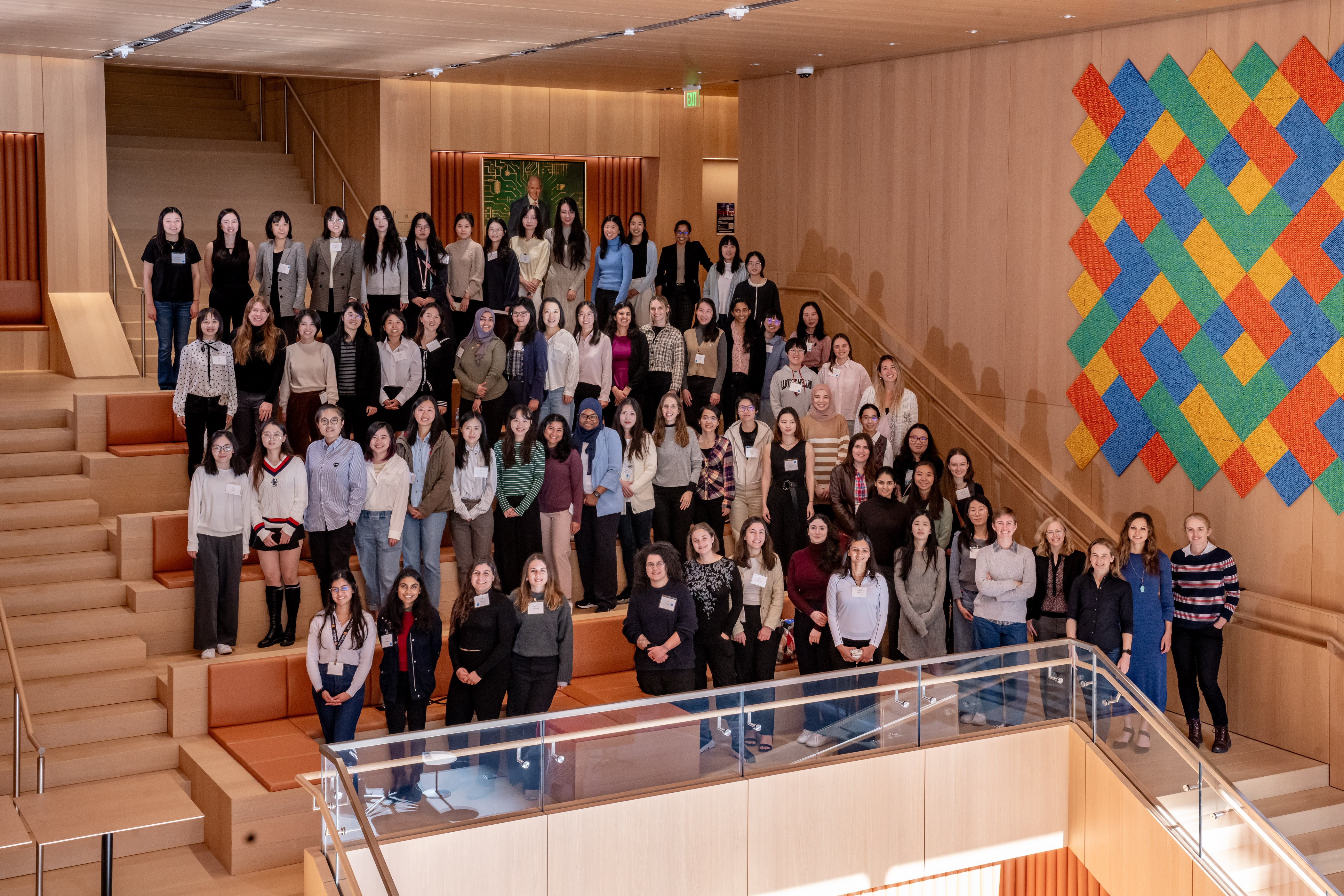
Earlier this month, electrical engineering and computer science researchers from around the world came together at MIT for the twelfth annual Rising Stars Workshop. The event welcomed graduate students and postdocs of historically underrepresented genders who are interested in pursuing academic careers in the field.
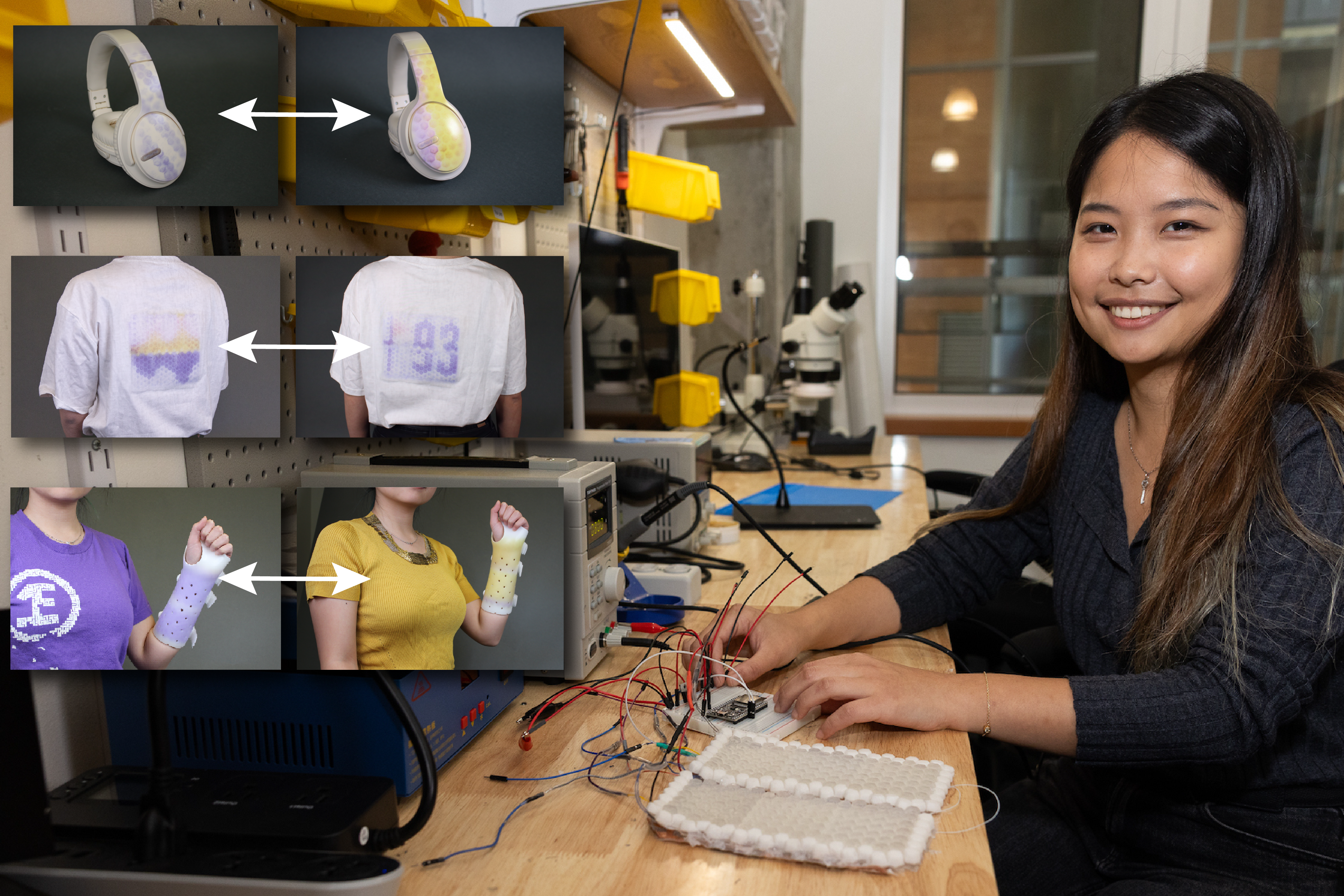
When Nikola Tesla predicted we’d have handheld phones that could display videos, photographs, and more, his musings seemed like a distant dream. Nearly 100 years later, smartphones are like an extra appendage for many of us.
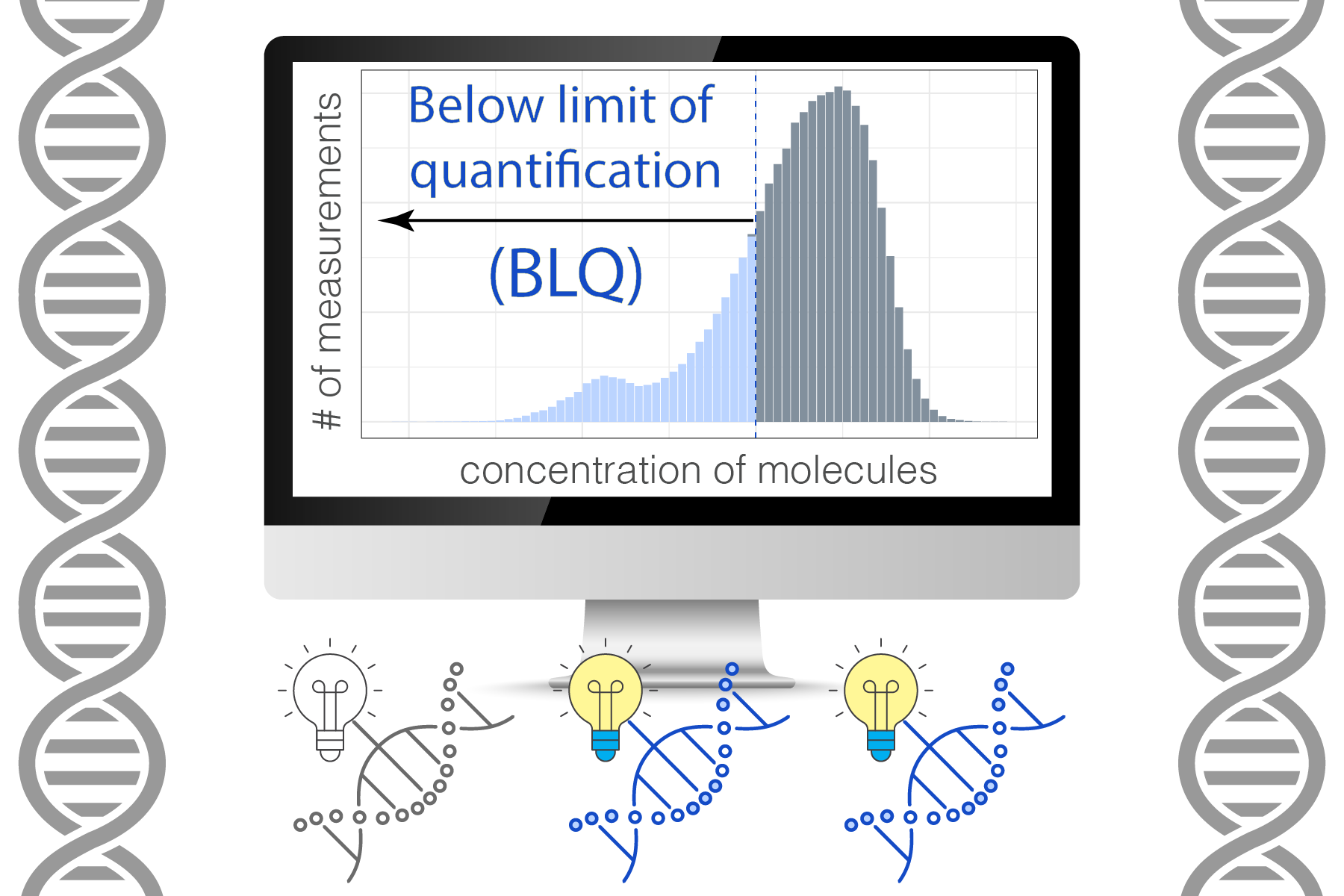
Research scientist Yosuke Tanigawa and Professor Manolis Kellis at MIT Computer Science and Artificial Intelligence Laboratory (CSAIL) have developed a novel methodology in human genetics to address an often-overlooked problem: how to handle clinical measurements that fall "below the limit of quantification" (BLQ). Recently published in the American Journal of Human Genetics, their new approach, "hypometric genetics," utilizes these typically discarded measurements to enhance genetic discovery, with significant implications for personalized genomic medicine and drug development.
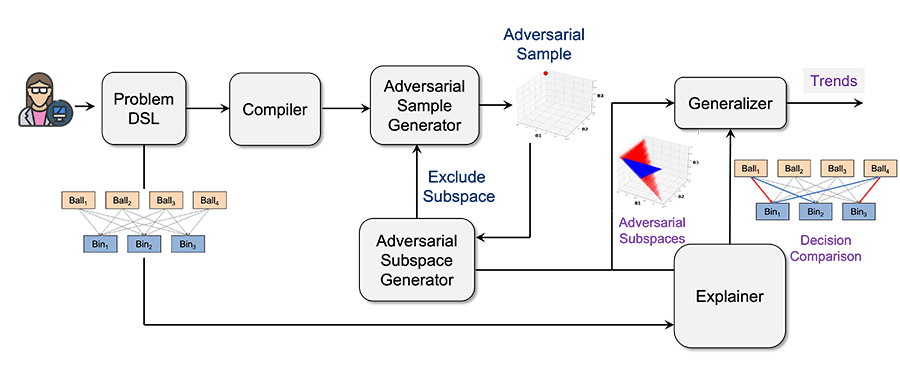
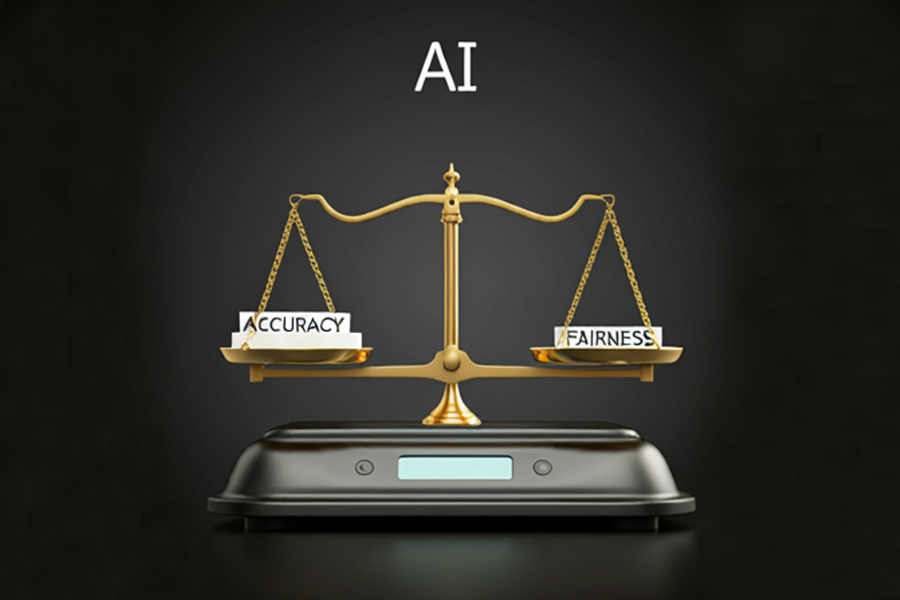
Two of the trickiest qualities to balance in the world of machine learning are fairness and accuracy. Algorithms optimized for accuracy may unintentionally perpetuate bias against specific groups, while those prioritizing fairness may compromise accuracy by misclassifying some data points.
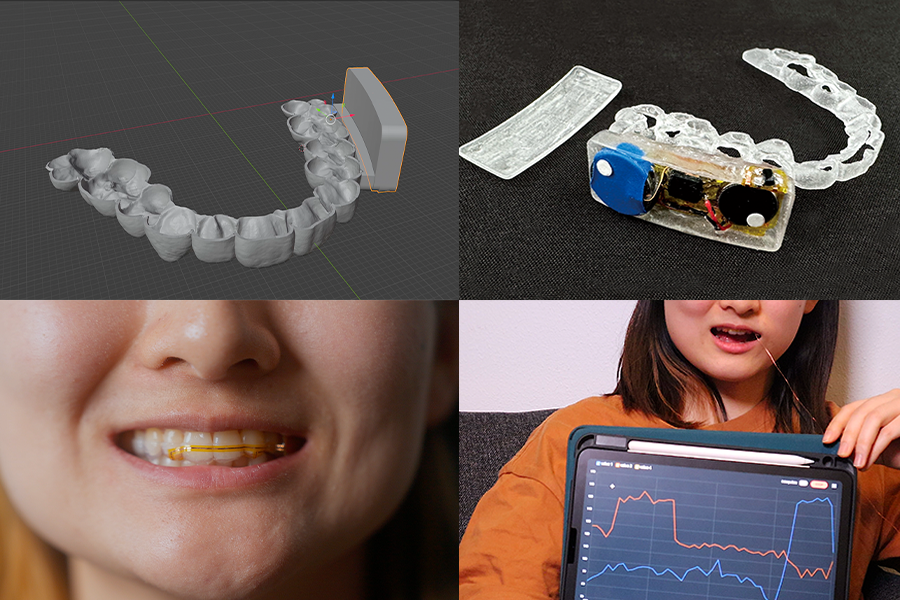
When you think about hands-free devices, you might picture Alexa and other voice-activated in-home assistants, Bluetooth earpieces, or asking Siri to make a phone call in your car. You might not imagine using your mouth to communicate with other devices like a computer or a phone remotely.