Given that our smartphones have largely become appendages over the last decade, it’s hard to imagine that ten years ago there was no Instagram, Uber, TikTok or Tinder. The ways we move, shop, eat and communicate continue to evolve thanks to the technologies we use. It can be easy to forget how quickly things have changed - so let’s turn back the clocks and reminisce about some of the computing breakthroughs that have transformed our lives in the ’10s.
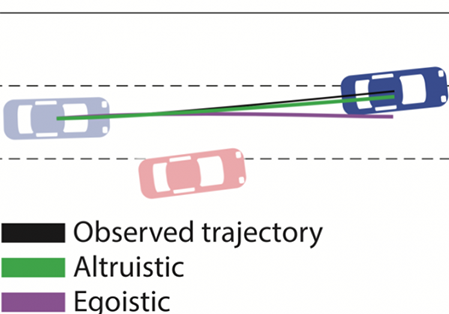
Recently a team led by researchers at MIT’s Computer Science and Artificial Intelligence Laboratory (CSAIL) has been exploring whether self-driving cars can be programmed to classify the social personalities of other drivers, so that they can better predict what different cars will do — and, therefore, be able to drive more safely among them.
MIT and Toyota researchers have designed a new model to help autonomous vehicles determine when it’s safe to merge into traffic at intersections with obstructed views.
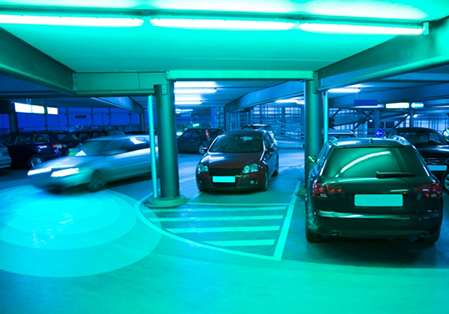
To improve the safety of autonomous systems, MIT CSAIL scientists have developed a system that can sense tiny changes in shadows on the ground to determine if there’s a moving object coming around the corner.
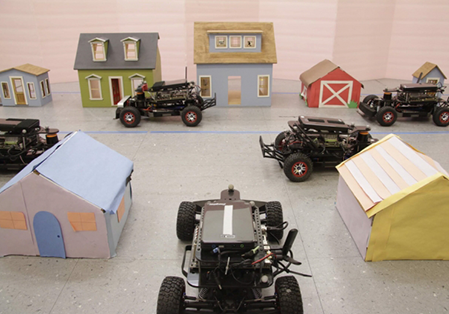
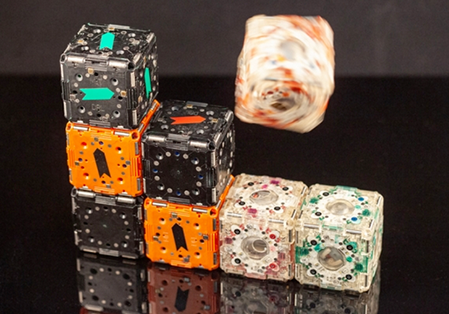
Swarms of simple, interacting robots have the potential to unlock stealthy abilities for accomplishing complex tasks. Getting these robots to achieve a true-hive like mind of coordination, though, has still proved to be a hurdle.
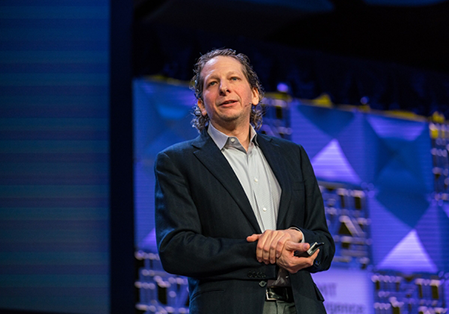
Josh Tenenbaum, a professor in MIT’s Department of Brain and Cognitive Sciences who studies human cognition, has been named a recipient of a 2019 MacArthur Fellowship.
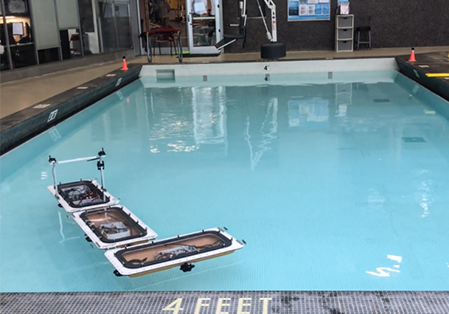
MIT’s fleet of robotic boats has been updated with new capabilities to “shapeshift,” by autonomously disconnecting and reassembling into a variety of configurations, to form floating structures in Amsterdam’s many canals.
Some of the biggest companies in the world are spending billions in the race to develop self-driving vehicles that can go anywhere. Meanwhile, Optimus Ride, a startup out of MIT, is already helping people get around by taking a different approach.
Continue the conversation of AI and the Future of Work
After the AI and the Future of Work Congress on Nov 21, keep the conversation going! Cap off your time on campus by participating in the AI & Work of the Future Unconference on Friday, November 22.
Join fellow participants and bring your biggest questions and most innovative ideas to this half-day event. No pre-determined topics, keynotes, or panels - we’ll amplify and facilitate the AI and future of work-driven conversations that matter most to you and your organization.