This event is hosted by Optiver and MIT CSAIL Alliances.
Refreshments will be served so please register so we can have an accurate count for food.
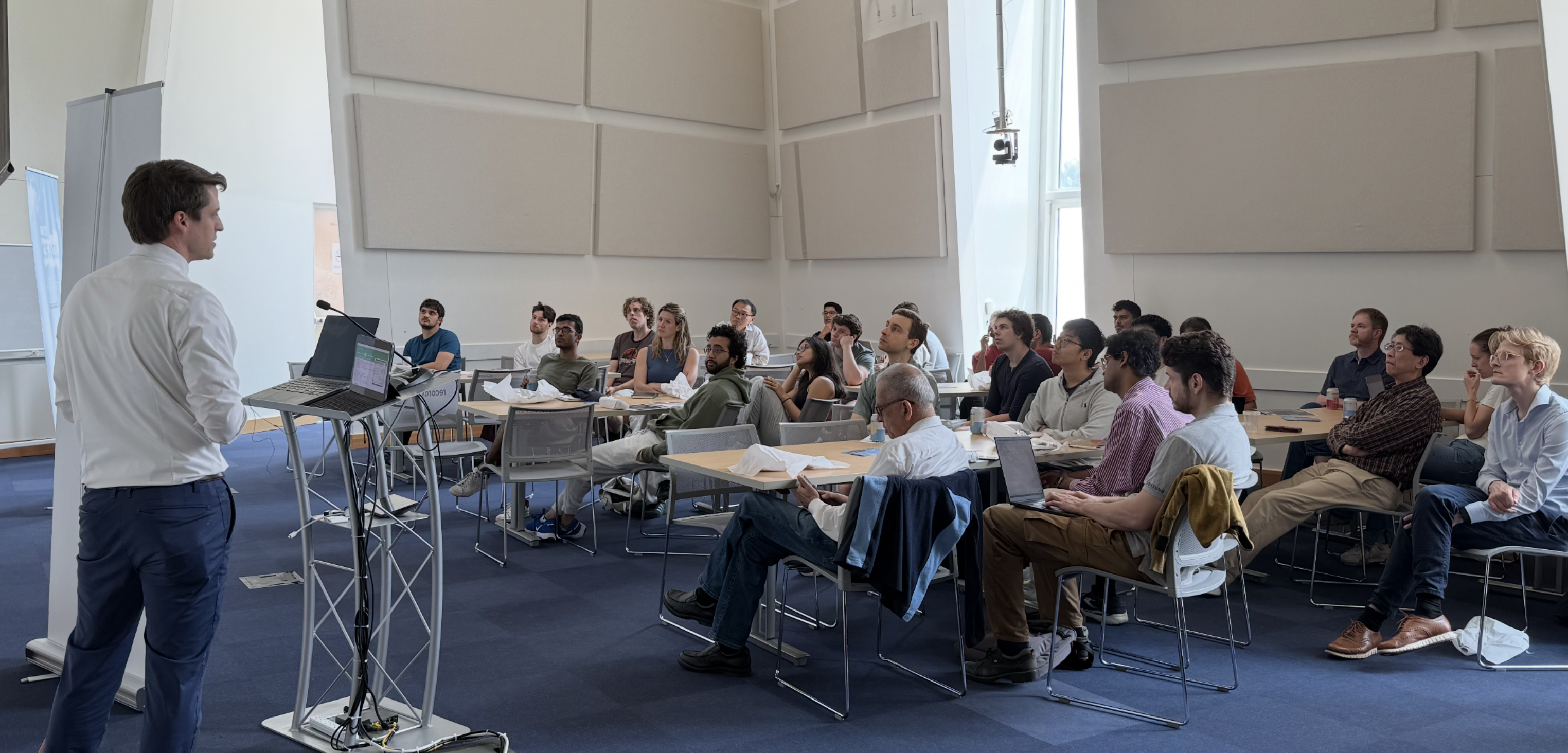
Join Optiver on September 17th in 32-G449 (Kiva Seminar Room at CSAIL) from 12-1pm for a technical talk on automated high-frequency trading. What you’ll learn:
Please join the Annual AI & Quantum Summit, hosted by CSAIL Alliances and the MIT Center for Quantum Engineering (MIT CQE). This event is in-person at MIT with a virtual option.
On October 23rd, 2025, CSAIL and MIT experts will gather to explore how the field of quantum computing is changing, how AI innovation is molding quantum’s trajectory, and what business leaders should keep in mind as theory becomes reality.
MIT’s Computer Science and Artificial Intelligence Laboratory (CSAIL) has announced a new direction for its long-standing FinTech research initiative, now FinTechAI@CSAIL, to highlight the central role artificial intelligence is playing in shaping the future of finance.
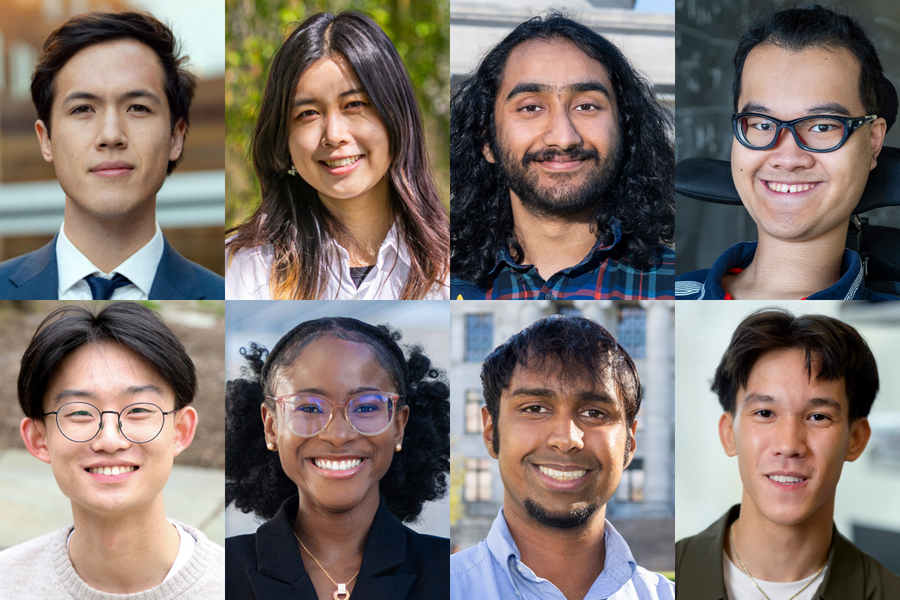
The Hertz Foundation announced that it has awarded fellowships to eight MIT affiliates. The prestigious award provides each recipient with five years of doctoral-level research funding (up to a total of $250,000), which gives them an unusual measure of independence in their graduate work to pursue groundbreaking research.
Data privacy comes with a cost. There are security techniques that protect sensitive user data, like customer addresses, from attackers who may attempt to extract them from AI models — but they often make those models less accurate.
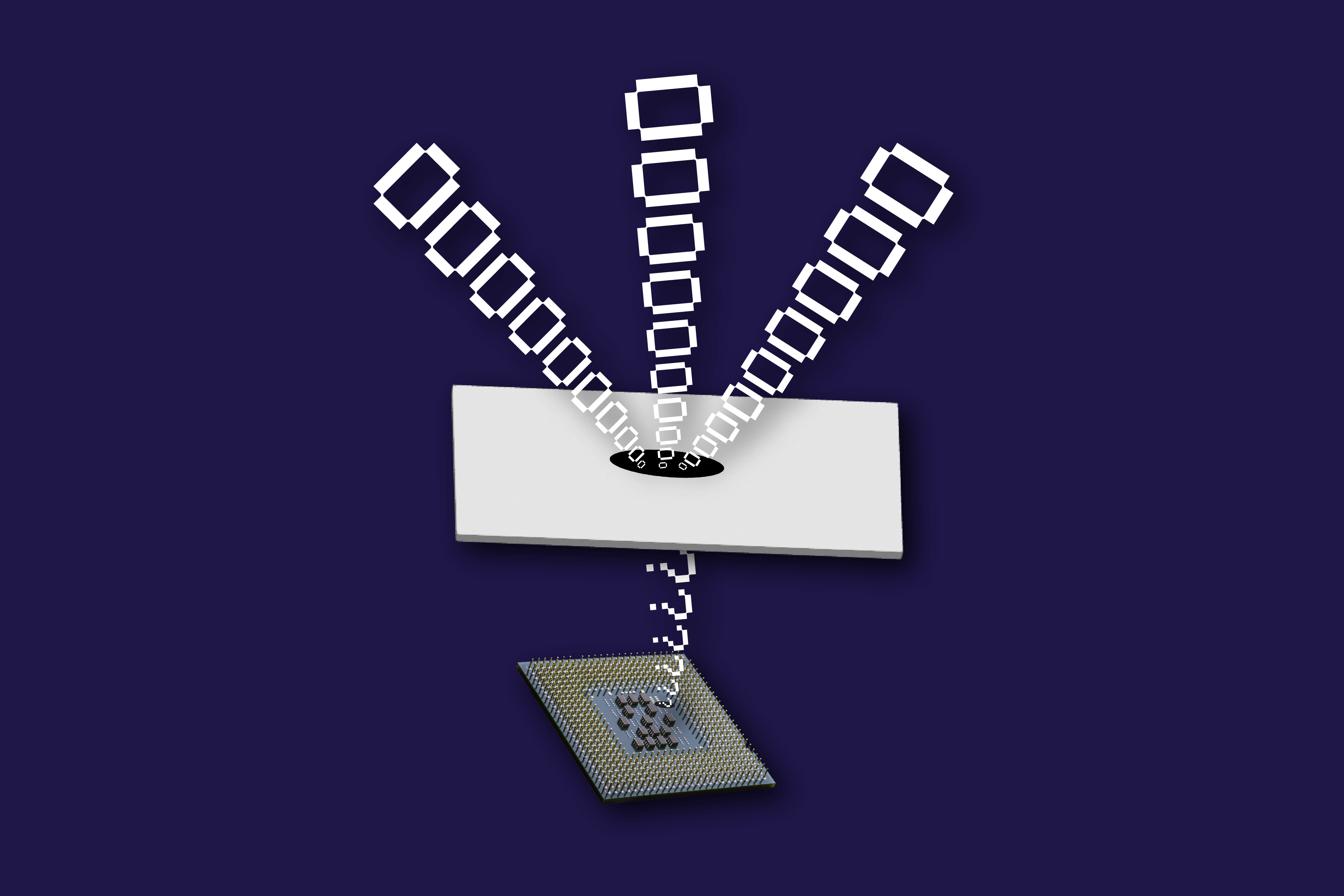
More than seven years ago, cybersecurity researchers were thoroughly rattled by the discovery of Meltdown and Spectre, two major security vulnerabilities uncovered in the microprocessors found in virtually every computer on the planet.
A hospital that wants to use a cloud computing service to perform artificial intelligence data analysis on sensitive patient records needs a guarantee those data will remain private during computation. Homomorphic encryption is a special type of security scheme that can provide this assurance.
Imagine you’re a chef with a highly sought-after recipe. You write your top-secret instructions in a journal to ensure you remember them, but its location within the book is evident from the folds and tears on the edges of that often-referenced page.