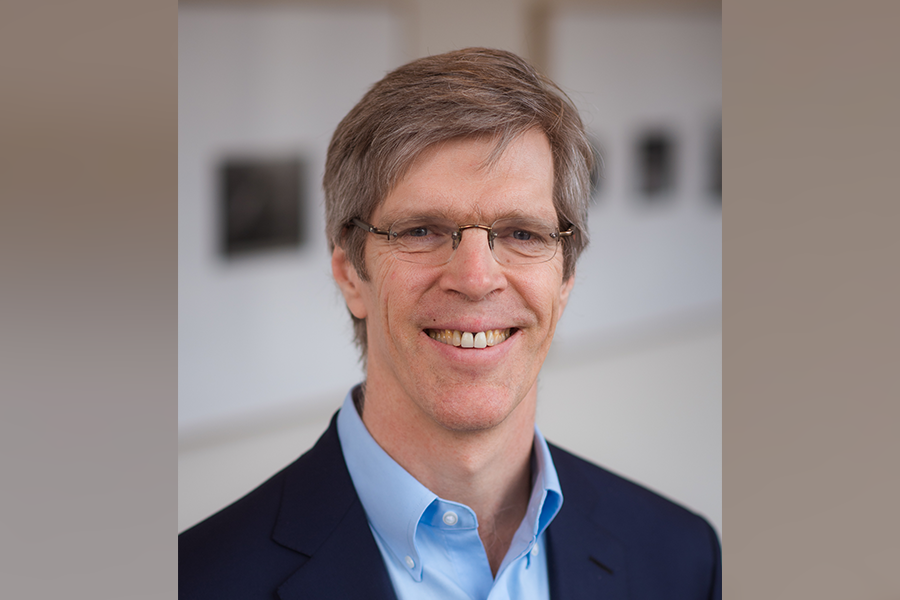
This past month Martin Rinard, MIT professor in the Electrical Engineering and Computer Science Department (EECS) and CSAIL principal investigator, received the 2025 Outstanding Research Award from the ACM Special Interest Group on Software Engineering (SIGSOFT). The organization awarded him for his “fundamental contributions in pioneering the new fields of program repair and approximate computing.”
Not sure what to think about DeepSeek R1, the most recent large language model (LLM) making waves in the global tech community? Faculty from MIT’s Computer Science and Artificial Intelligence Laboratory (CSAIL) are here to help!
If you’ve watched cartoons like Tom and Jerry, you’ll recognize a common theme: An elusive target avoids his formidable adversary. This game of “cat-and-mouse” — whether literal or otherwise — involves pursuing something that ever-so-narrowly escapes you at each try.
"The net effect [of DeepSeek] should be to significantly increase the pace of AI development, since the secrets are being let out and the models are now cheaper and easier to train by more people." ~ Associate Professor Phillip Isola
Frontier AI Safety & Policy Panel: Where We're at & Where We're Headed – Perspectives from the UK
It's been around a year since chatbots became widespread and governments worldwide turned their attention to advanced AI safety and governance. In this event co-hosted by MIT CSAIL Alliances, the MIT-UK program and the UK government’s AI Safety Institute, we will discuss the current state of research and where we're headed. Questions to be answered include: How will we control and govern AI agents?
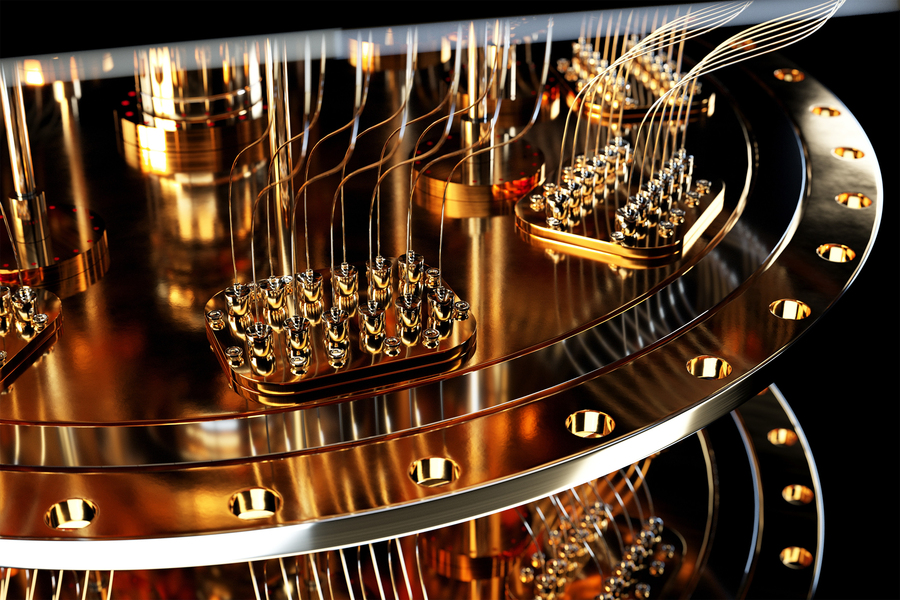
The most recent email you sent was likely encrypted using a tried-and-true method that relies on the idea that even the fastest computer would be unable to efficiently break a gigantic number into factors.
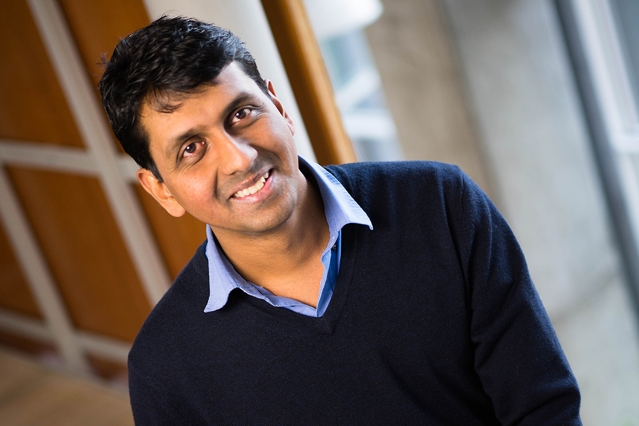
MIT professor of electrical engineering and computer science (EECS) and Computer Science and Artificial Intelligence Laboratory (CSAIL) member Vinod Vaikuntanathan was one of four outstanding undergraduate teachers and mentors have been named MacVicar Faculty Fellows. He joins professor of EECS Karl Berggren, professor of political science Andrea Campbell, and associate professor of music Emily Richmond Pollock in receiving the honor.
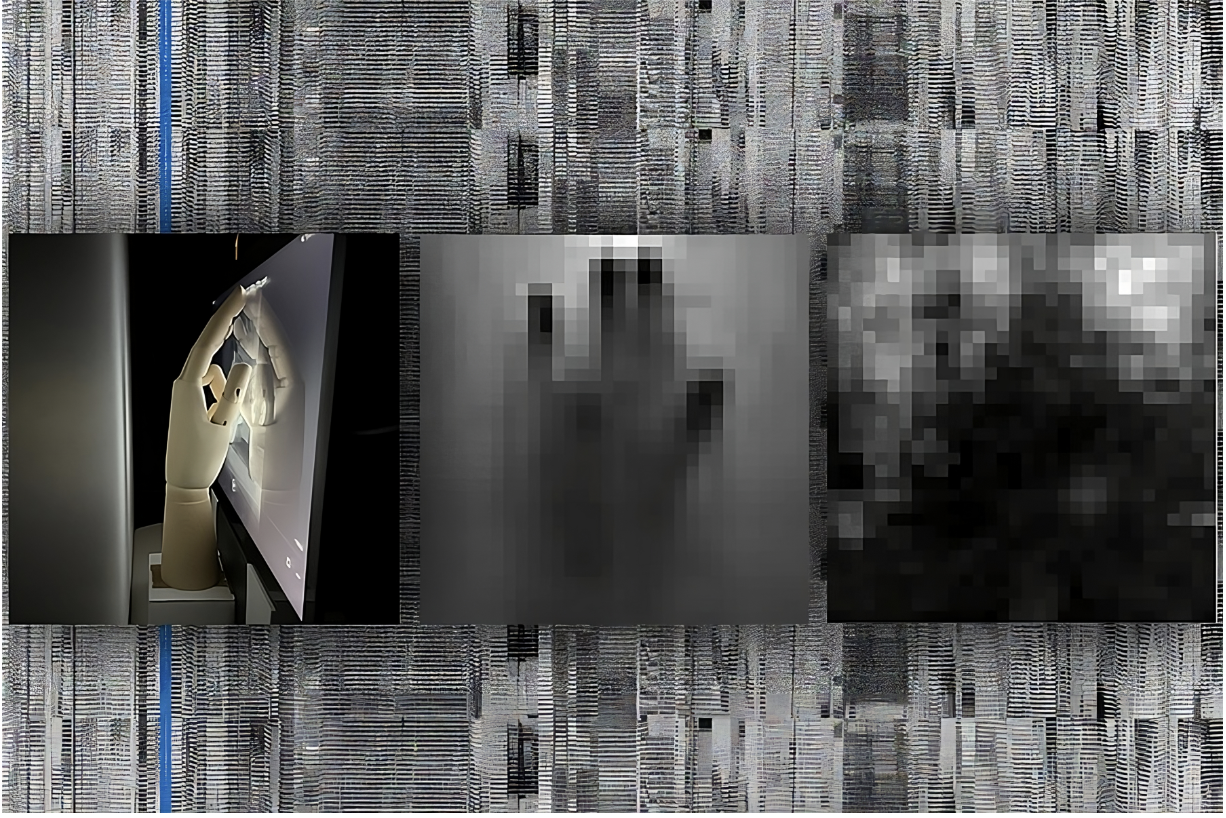
In George Orwell’s novel “1984,” Big Brother watches citizens through two-way, TV-like telescreens to surveil citizens without any cameras. In a similar fashion, our current smart devices contain ambient light sensors, which open the door to a different threat: hackers.