

Image
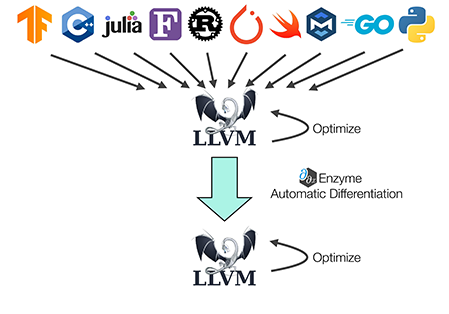
more compatible coding
CSAIL article

Suppose you're a machine-learning researcher trying to build a model that could help plan for the COVID-19 pandemic. You want to incorporate a disease simulator into the model, but it's written in the C++ programming language, rather than an existing machine-learning workflow like PyTorch or TensorFlow. A team from MIT CSAIL recently developed a clever work-around.

Image
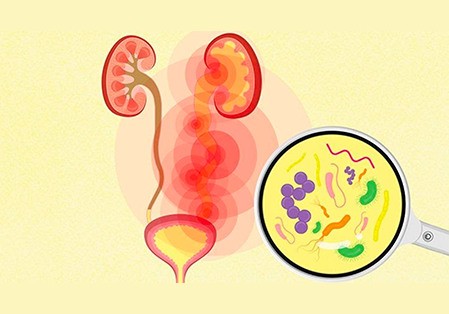
algorithmic UTI's
CSAIL article

One paradox about antibiotics is that, broadly speaking, the more we use them, the less they continue to work. The Darwinian process of bacteria growing resistant to antibiotics means that, when the drugs don't work, we can no longer treat infections, leading to groups like the World Health Organization warning about our ability to control major public health threats.

Image
AI Cures conference
MIT news article

Modern health care has been reinvigorated by the widespread adoption of artificial intelligence. From speeding image analysis for radiology to advancing precision medicine for personalized care, AI has countless applications, but can it rise to the challenge in the fight against Covid-19?

Image
machine learning graphic
MIT news article

Machine learning is a computational tool used by many biologists to analyze huge amounts of data, helping them to identify potential new drugs. MIT researchers have now incorporated a new feature into these types of machine-learning algorithms, improving their prediction-making ability.

Image
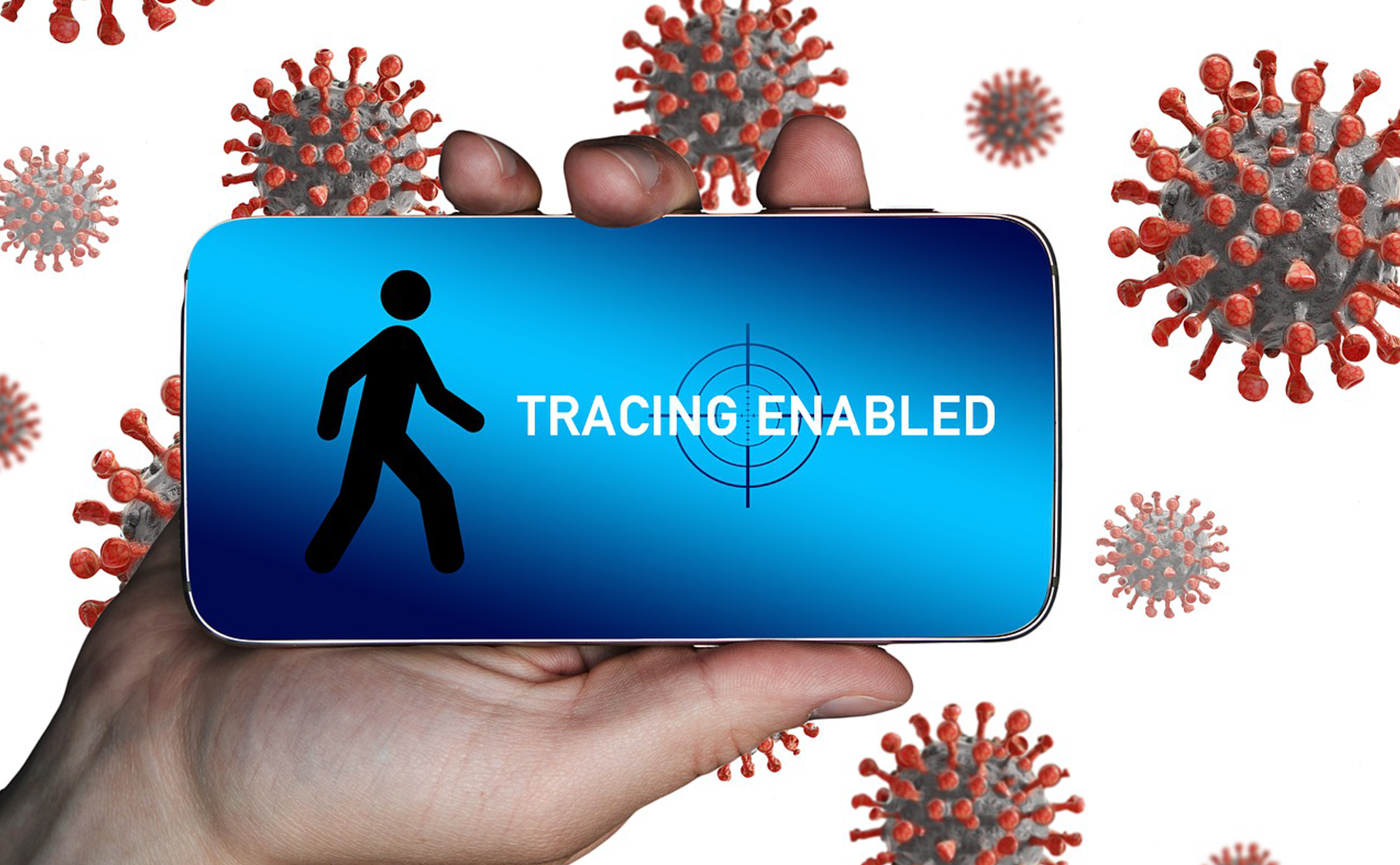
MIT contact tracing
MIT news article

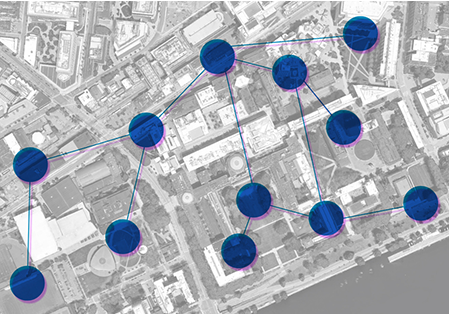
Contact tracing is an essential tool for fighting the Covid-19 pandemic: If someone tests positive for the virus, health care workers move quickly to determine who else the infected individual had close contact with, and to set up measures to keep the virus from potentially spreading further. Yet while contact tracing has been a much-repeated phrase during the pandemic, people in the MIT community and beyond may wonder: How does the system actually work on the Institute’s campus?

Image
ML heart failure
MIT news article

A group led by researchers at MIT’s Computer Science and Artificial Intelligence Lab (CSAIL) has developed a machine learning model that can look at an X-ray to quantify how severe the edema is, on a four-level scale ranging from 0 (healthy) to 3 (very, very bad). The system determined the right level more than half of the time, and correctly diagnosed level 3 cases 90 percent of the time.