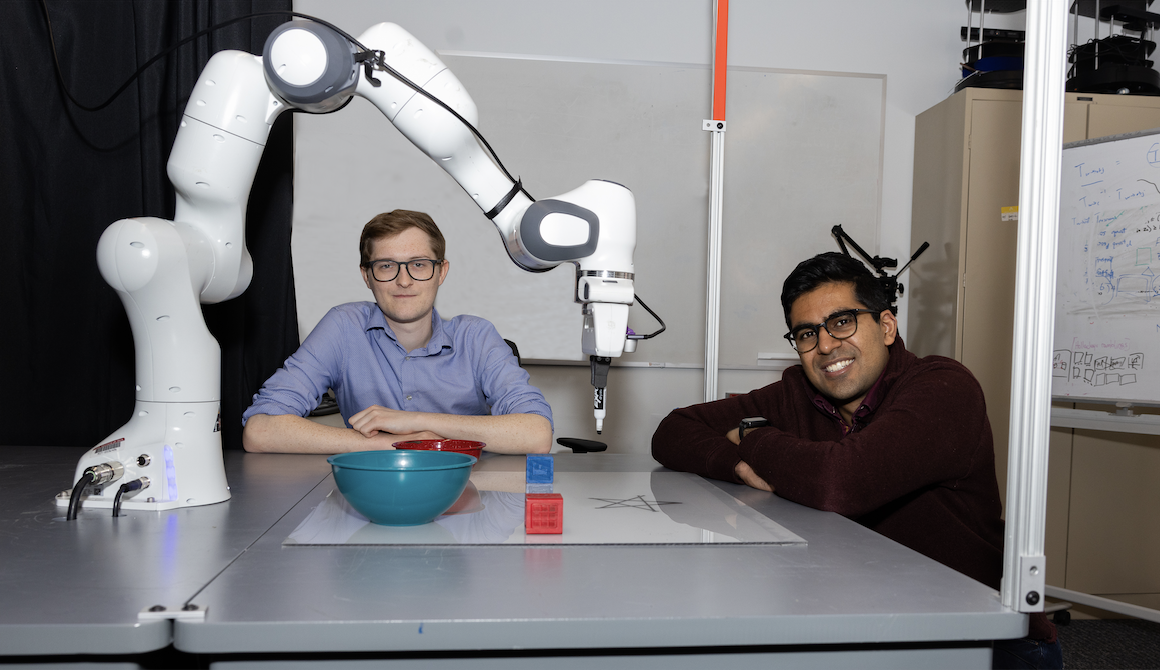
If someone advises you to “Know your limits,” they’re likely suggesting you do things like exercise in moderation. To a robot, though, the motto represents learning constraints, or limitations of a specific task within the machine’s environment, to do chores safely and correctly.
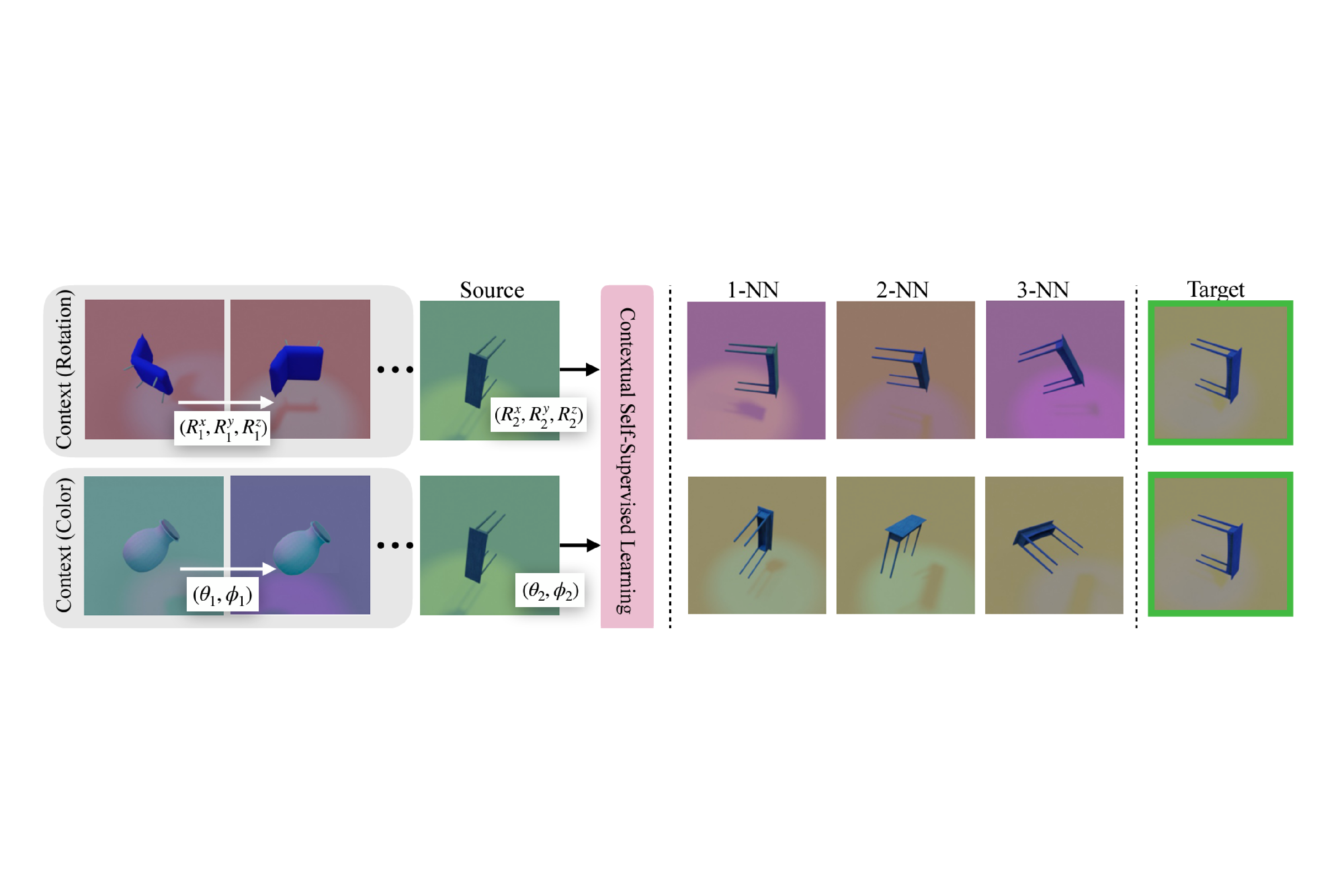
The field of machine learning is traditionally divided into two main categories: “supervised” and “unsupervised” learning. In supervised learning, algorithms are trained on labeled data, where each input is paired with its corresponding output, providing the algorithm with clear guidance. In contrast, unsupervised learning relies solely on input data, requiring the algorithm to uncover patterns or structures without any labeled outputs.
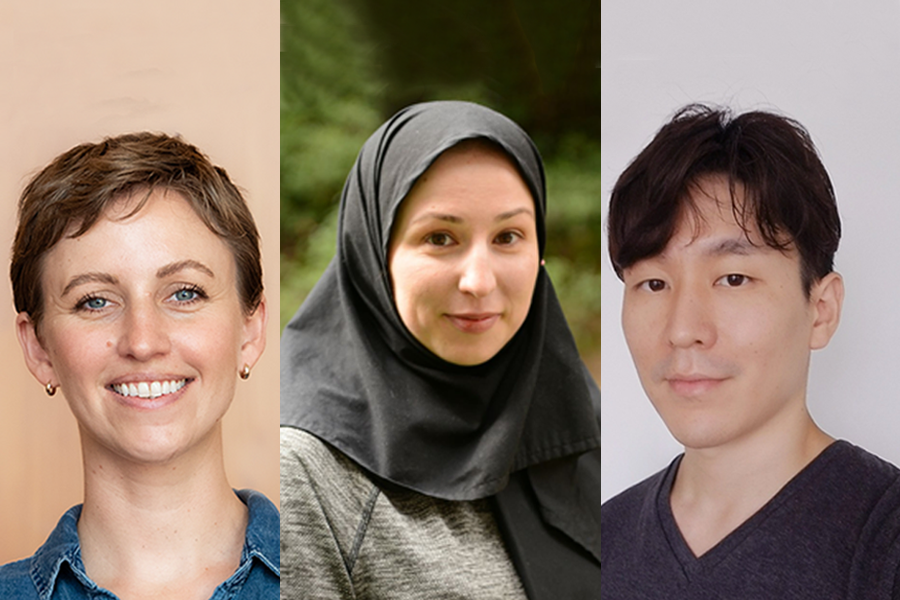
Sara Beery, Marzyeh Ghassemi, and Yoon Kim, EECS faculty and CSAIL principal investigators, were awarded AI2050 Early Career Fellowships earlier this week for their pursuit of “bold and ambitious work on hard problems in AI.” They received this honor from Schmidt Futures, Eric and Wendy Schmidt’s philanthropic initiative that aims to accelerate scientific innovation.
Chatbots can wear a lot of proverbial hats: dictionary, therapist, poet, all-knowing friend. The artificial intelligence models that power these systems appear exceptionally skilled and efficient at providing answers, clarifying concepts, and distilling information. But to establish trustworthiness of content generated by such models, how can we really know if a particular statement is factual, a hallucination, or just a plain misunderstanding?
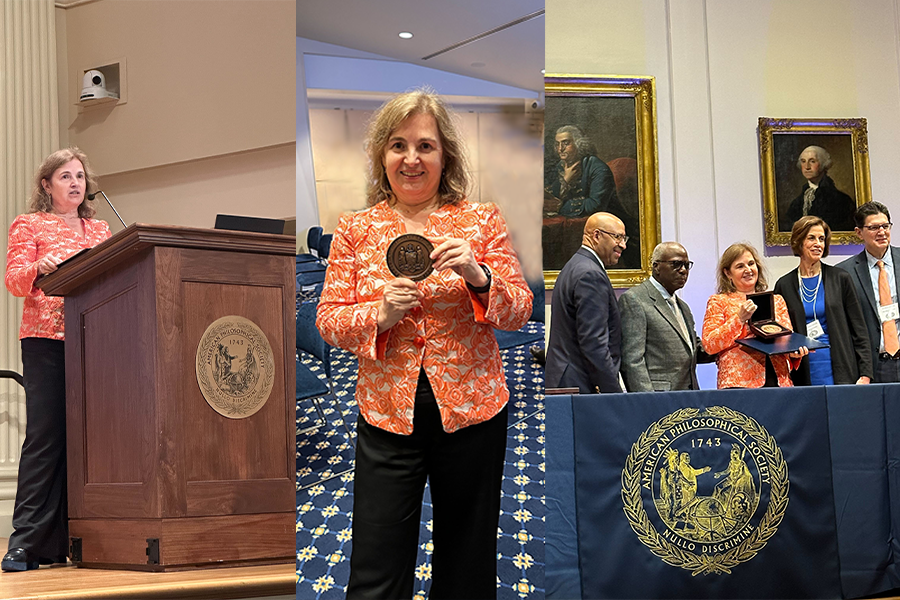
Daniela Rus, Director of CSAIL and MIT EECS Professor, recently received the 2025 Edison Medal from the Institute of Electrical and Electronics Engineers (IEEE). The award recognizes her leadership and pioneering work in modern robotics.
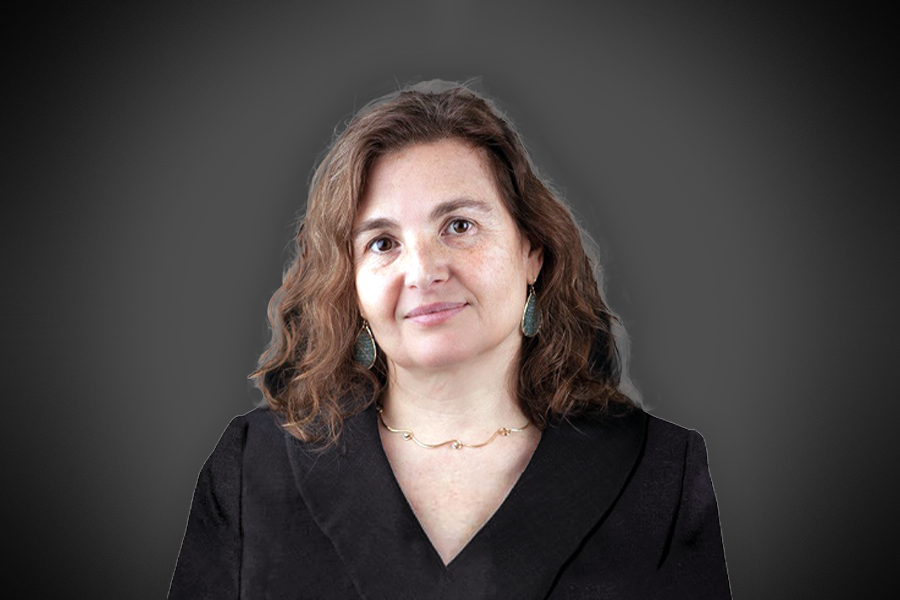
Regina Barzilay, School of Engineering Distinguished Professor for AI and Health at MIT, CSAIL Principal Investigator, and Jameel Clinic AI Faculty Lead, has been awarded the 2025 Frances E. Allen Medal from the Institute of Electrical and Electronics Engineers (IEEE). Barzilay’s award recognizes the impact of her machine-learning algorithms on medicine and natural language processing.
Daniela Rus, Director of CSAIL and MIT EECS Professor, was recently named a co-recipient of the 2024 John Scott Award by the Board of Directors of City Trusts. This prestigious honor, steeped in historical significance, celebrates scientific innovation at the very location where American independence was signed in Philadelphia, a testament to the enduring connection between scientific progress and human potential.
As far as user data is concerned, much is made of the big social media conglomerates like Google and Meta. However, cloud service providers such as Amazon Web Services and Microsoft Azure are the backbone of countless applications, holding the keys to vast amounts of data stored on their servers.