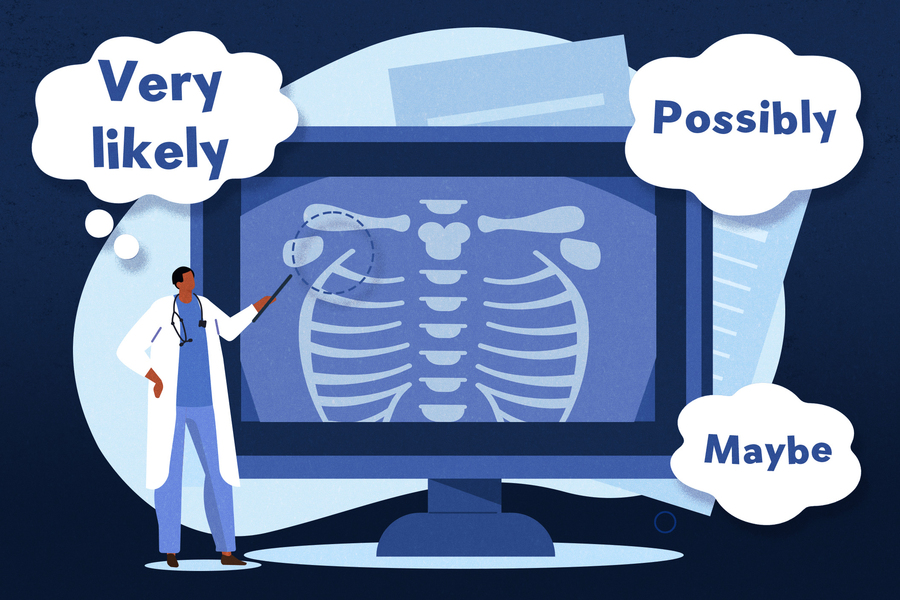
Due to the inherent ambiguity in medical images like X-rays, radiologists often use words like “may” or “likely” when describing the presence of a certain pathology, such as pneumonia.
How do neural networks work? It’s a question that can confuse novices and experts alike. A team from MIT’s Computer Science and Artificial Intelligence Lab (CSAIL) says that understanding these representations, as well as how they inform the ways that neural networks learn from data, is crucial for improving the interpretability, efficiency, and generalizability of deep learning models.
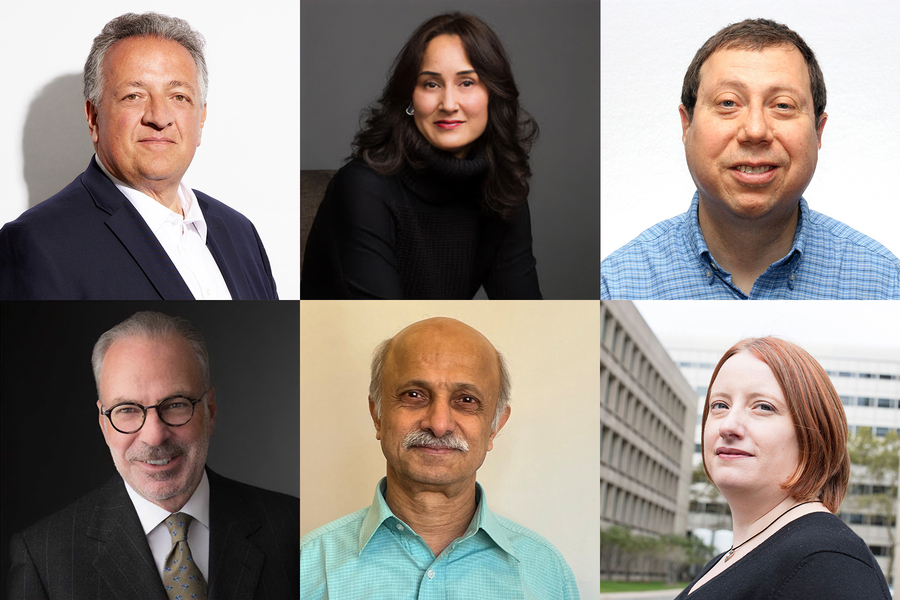
Six current MIT affiliates and 27 additional MIT alumni have been elected as fellows of the American Association for the Advancement of Science (AAAS).
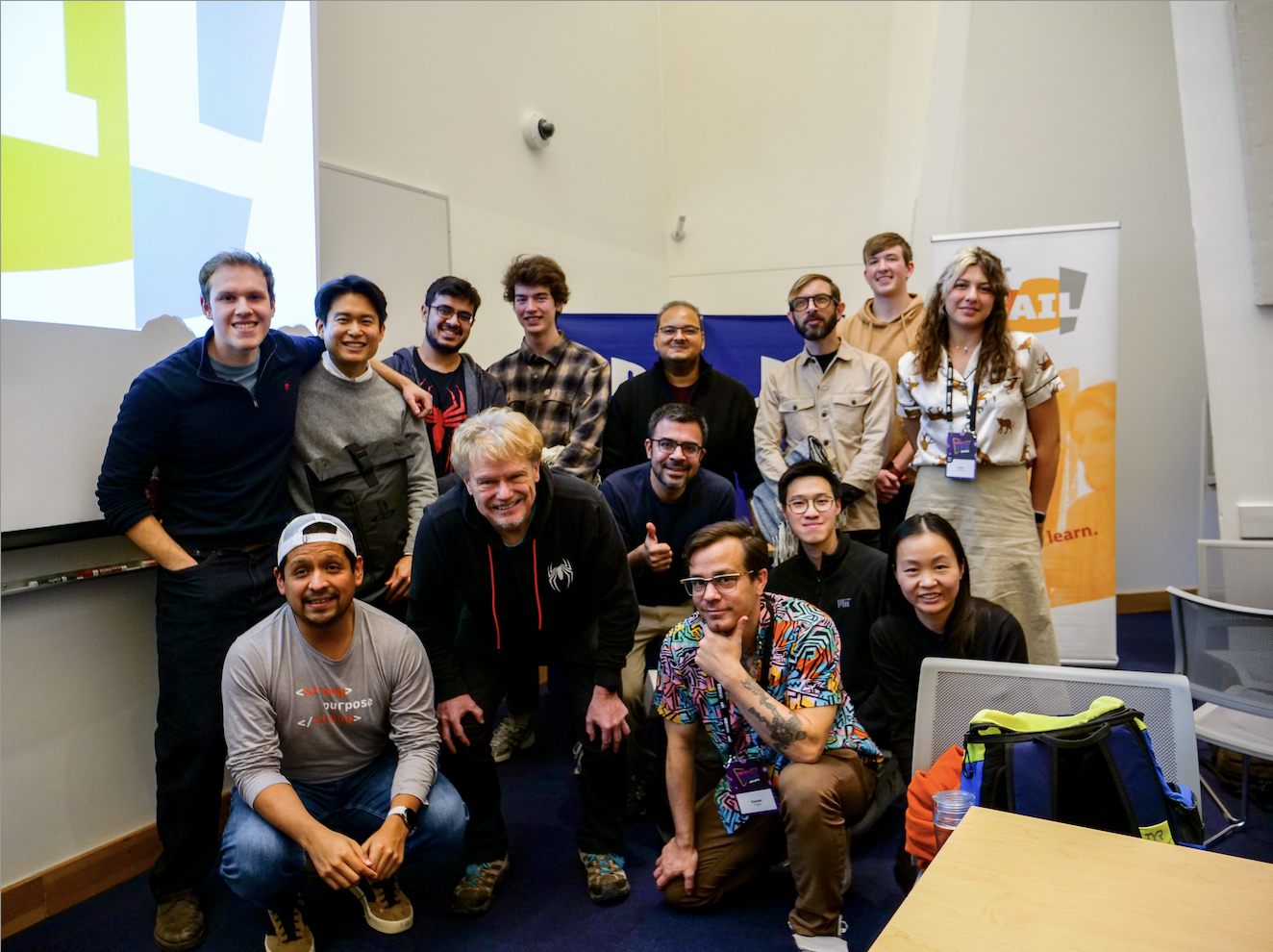
CSAIL Alliances Affiliate Member Sony Interactive Entertainment (SIE) hosted a January 2025 IAP course, “The Nexus of Games and AI.” Designed to “introduce students to game creation, current game-related research, and an exploration of the technology, the art, and the fun of video games,” this course allowed SIE to engage with a broad range of students, meet CSAIL faculty, and deepen their connection to MIT CSAIL.
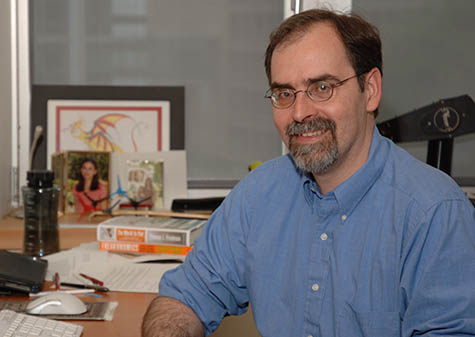
This week the National Academy of Engineering (NAE) elected Tomás Lozano-Pérez, MIT School of Engineering Professor in Teaching Excellence and CSAIL principal investigator, as a member for his work in robot motion planning and molecular design.
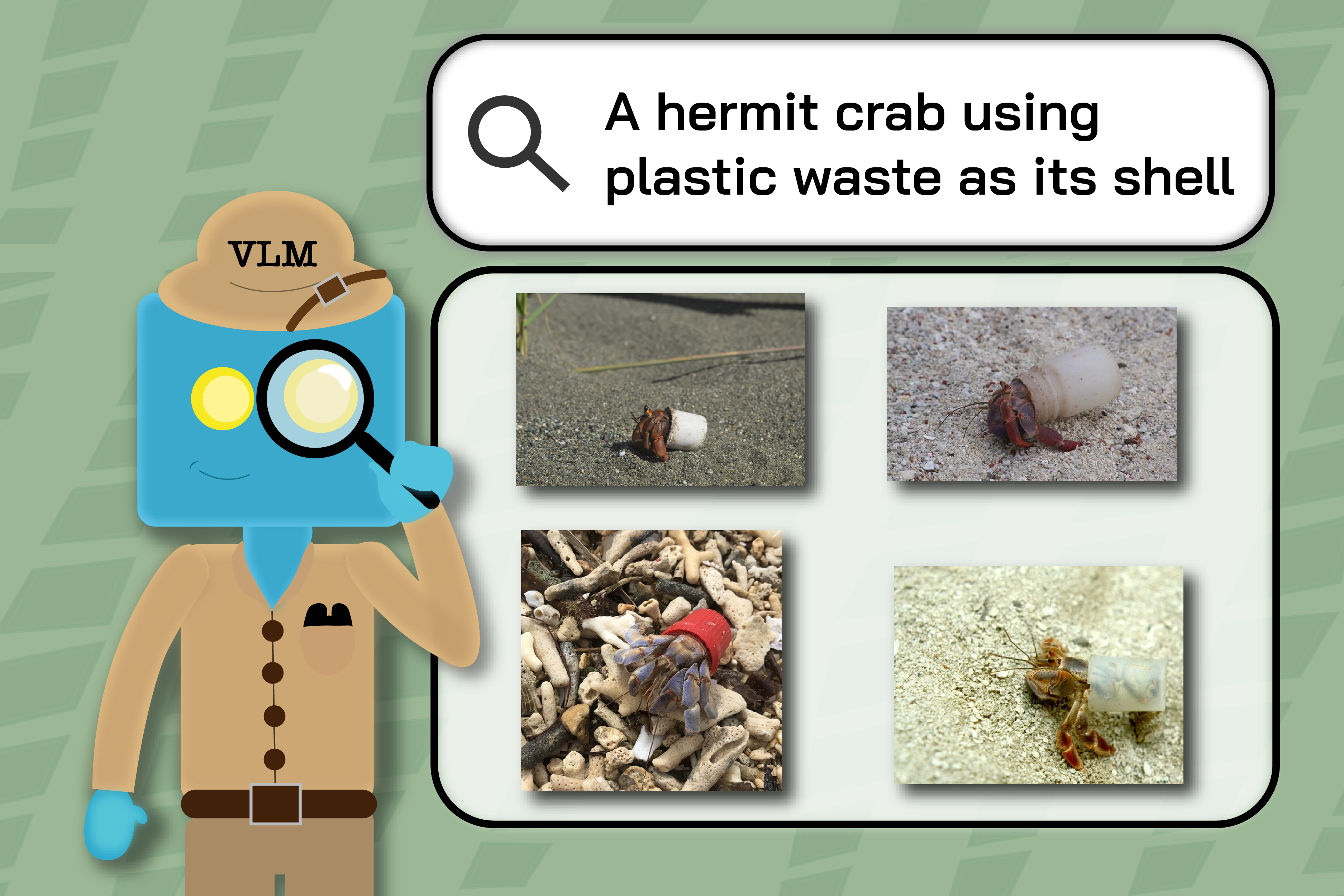
Try taking a picture of each of North America's roughly 11,000 tree species, and you’ll have a mere fraction of the millions of photos within nature image datasets. These massive collections of snapshots — ranging from butterflies to humpback whales — are a great research tool for ecologists because they provide evidence of organisms’ unique behaviors, rare conditions, migration patterns, and responses to pollution and other forms of climate change.
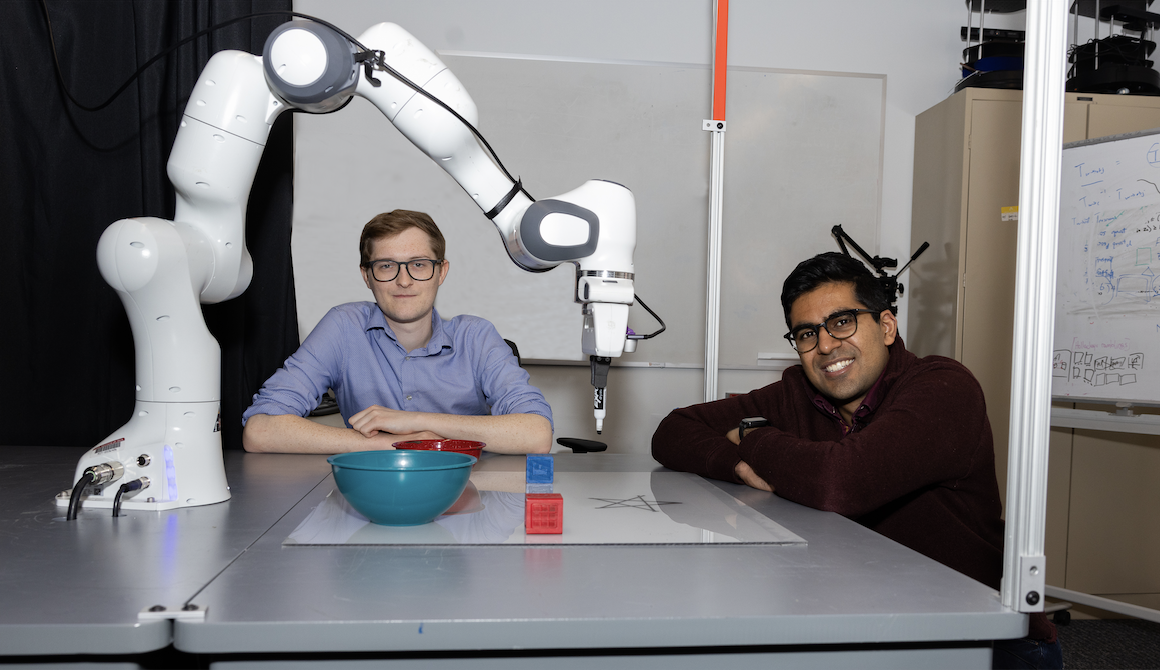
If someone advises you to “Know your limits,” they’re likely suggesting you do things like exercise in moderation. To a robot, though, the motto represents learning constraints, or limitations of a specific task within the machine’s environment, to do chores safely and correctly.
Chatbots can wear a lot of proverbial hats: dictionary, therapist, poet, all-knowing friend. The artificial intelligence models that power these systems appear exceptionally skilled and efficient at providing answers, clarifying concepts, and distilling information. But to establish trustworthiness of content generated by such models, how can we really know if a particular statement is factual, a hallucination, or just a plain misunderstanding?
Creating realistic 3D models for applications like virtual reality, filmmaking, and engineering design can be a cumbersome process requiring lots of manual trial and error.
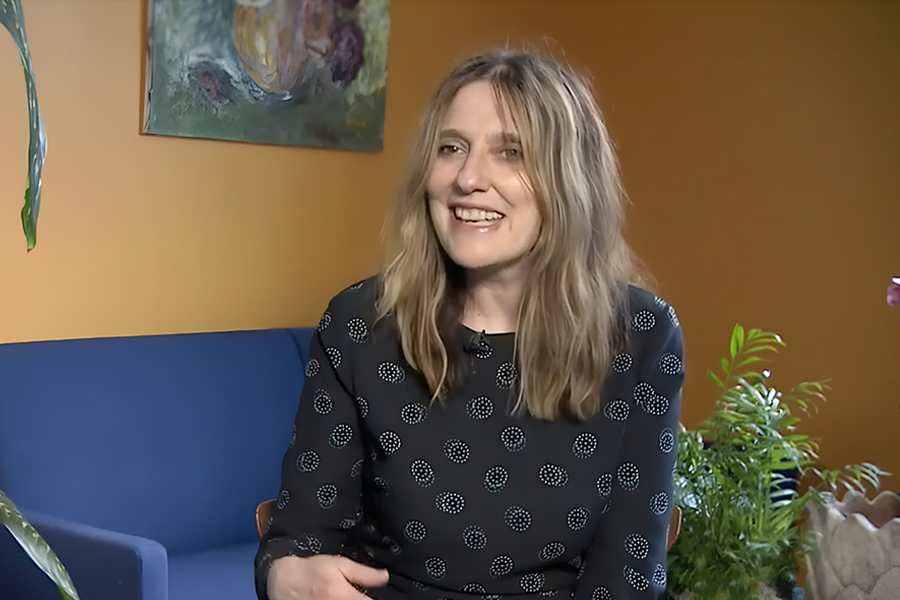
Regina Barzilay, School of Engineering Distinguished Professor for AI and Health at MIT, CSAIL Principal Investigator, and Jameel Clinic AI Faculty Lead, has been awarded the 2025 Frances E. Allen Medal from the Institute of Electrical and Electronics Engineers (IEEE). Barzilay’s award recognizes the impact of her machine-learning algorithms on medicine and natural language processing.