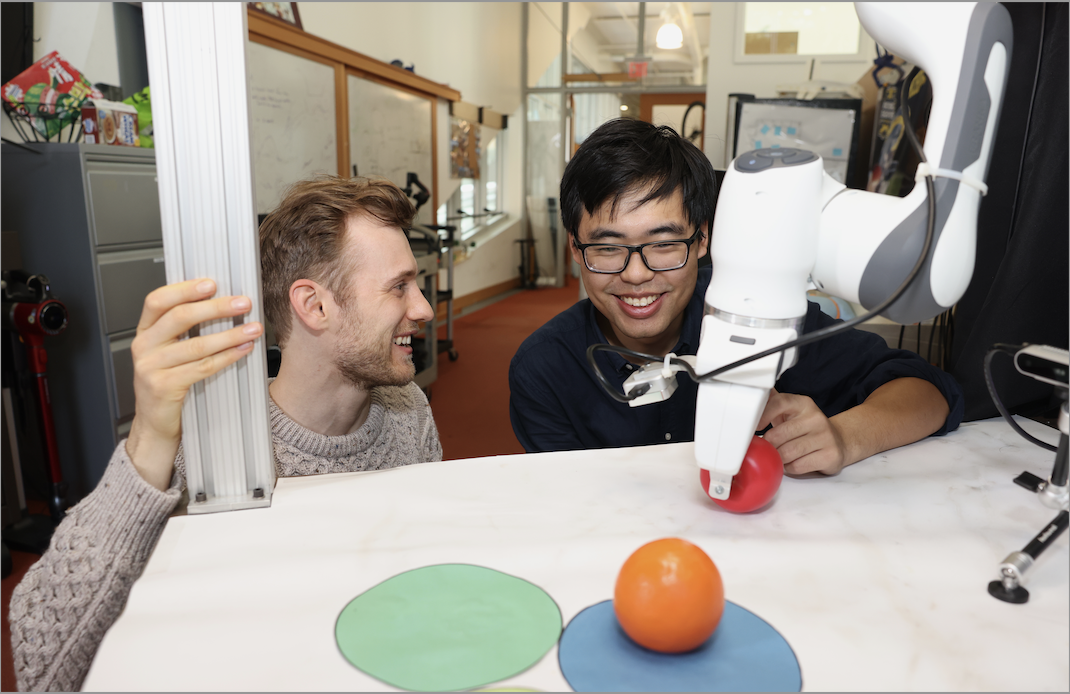
In the current AI zeitgeist, sequence models have skyrocketed in popularity for their ability to analyze data and predict what to do next. For instance, you’ve likely used next-token prediction models like ChatGPT, which anticipate each word (token) in a sequence to form answers to users’ queries. There are also full-sequence diffusion models like Sora, which convert words into dazzling, realistic visuals by successively “denoising” an entire video sequence
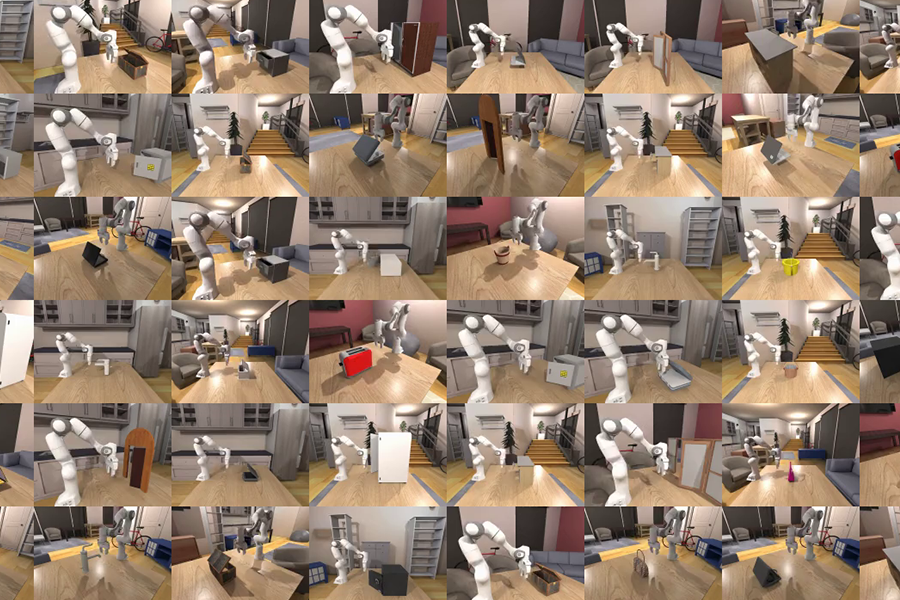
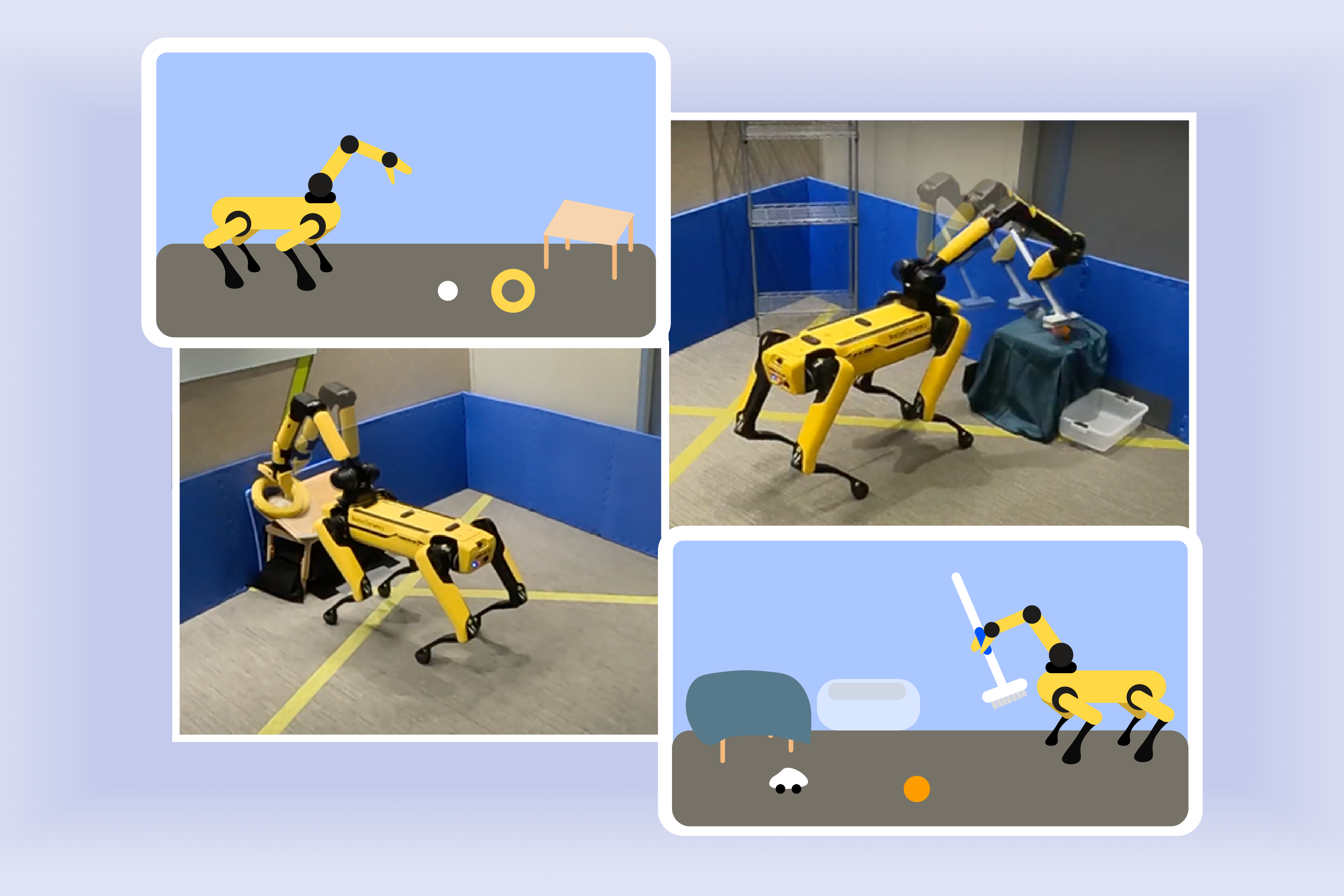
For robots, simulation is a great teacher for learning long-horizon (multi-step) tasks — especially compared to how long it takes to collect real-world training data.
In 1994, Florida jewelry designer Diana Duyser discovered what she believed to be the Virgin Mary’s image in a grilled cheese sandwich, which she preserved and later auctioned for $28,000. But how much do we really understand about pareidolia, the phenomenon of seeing faces and patterns in objects when they aren’t really there?
Are you a CSAIL entrepreneur? Are you curious about the resources that CSAIL Alliances, as well as the rest of the MIT Ecosystem can offer you? Sign up for Office Hours using the form to ask Christiana Kalfas, Sr.
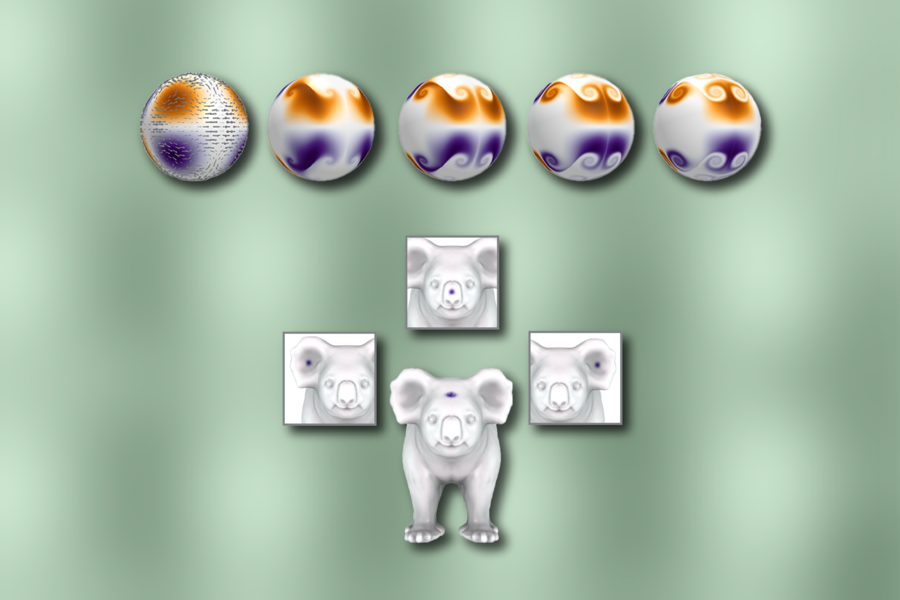
Computer graphics and geometry processing research provide the tools needed to simulate physical phenomena like fire and flames, aiding the creation of visual effects in video games and movies as well as the fabrication of complex geometric shapes using tools like 3D printing.
On a research cruise around Hawaii in 2018, Yuening Zhang SM ’19, PhD ’24 saw how difficult it was to keep a tight ship. The careful coordination required to map underwater terrain could sometimes led to a stressful environment for team members, who might have different understandings of which tasks must be completed in spontaneously changing conditions. During these trips, Zhang considered how a robotic companion could have helped her and her crewmates achieve their goals more efficiently.
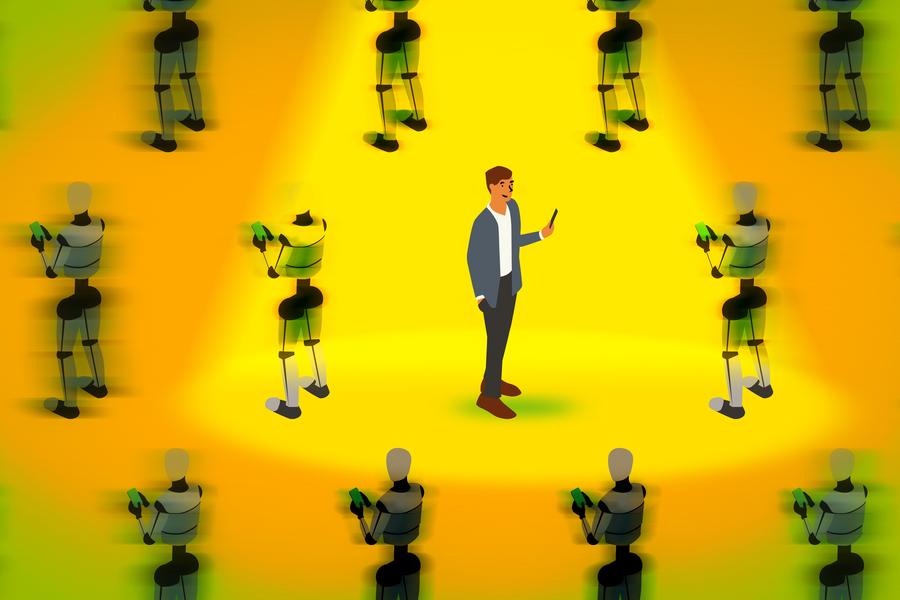
As artificial intelligence agents become more advanced, it could become increasingly difficult to distinguish between AI-powered users and real humans on the internet. In a new white paper, researchers from MIT, OpenAI, Microsoft, and other tech companies and academic institutions propose the use of personhood credentials, a verification technique that enables someone to prove they are a real human online, while preserving their privacy.