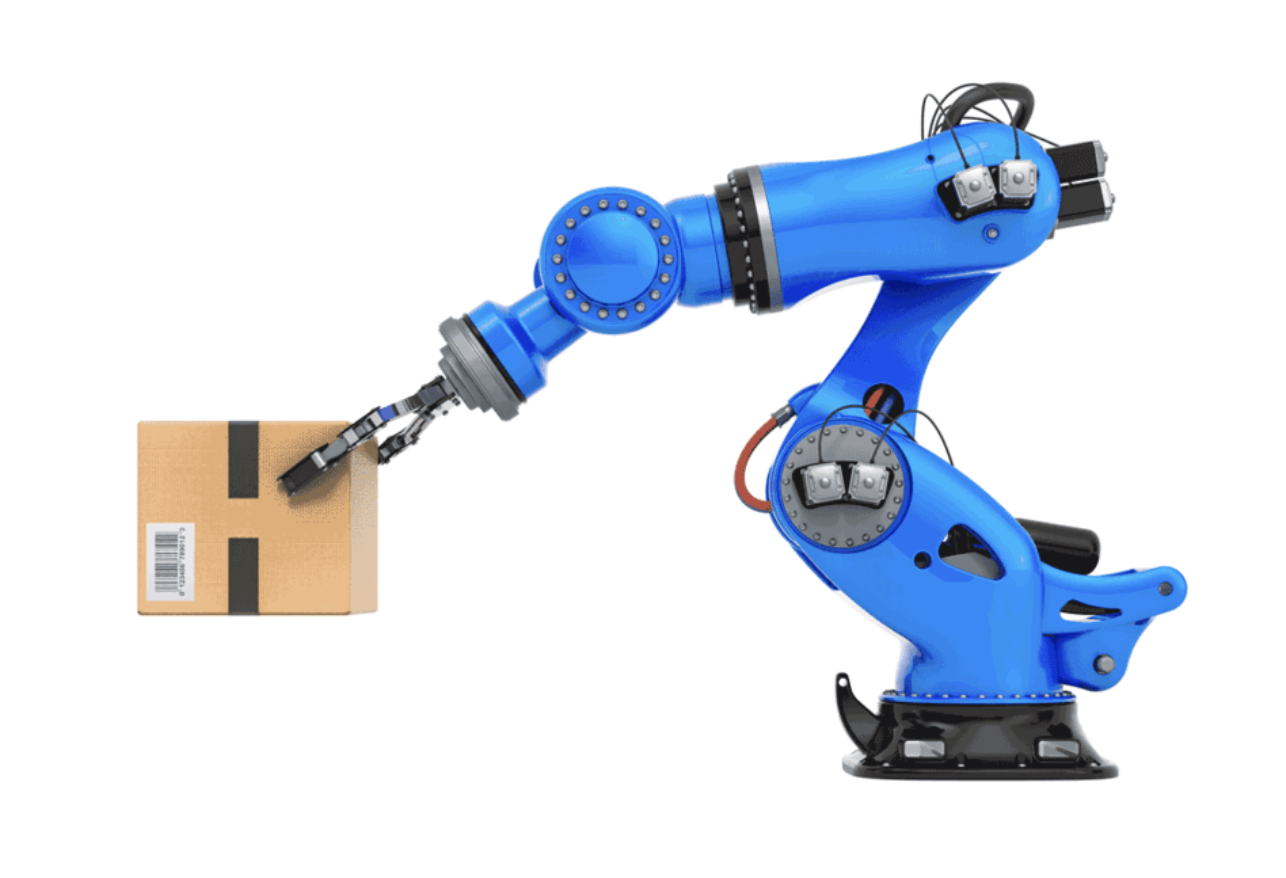
A human clearing junk out of an attic can often guess the contents of a box simply by picking it up and giving it a shake, without the need to see what’s inside. Researchers from MIT, Amazon Robotics, and the University of British Columbia have taught robots to do something similar.
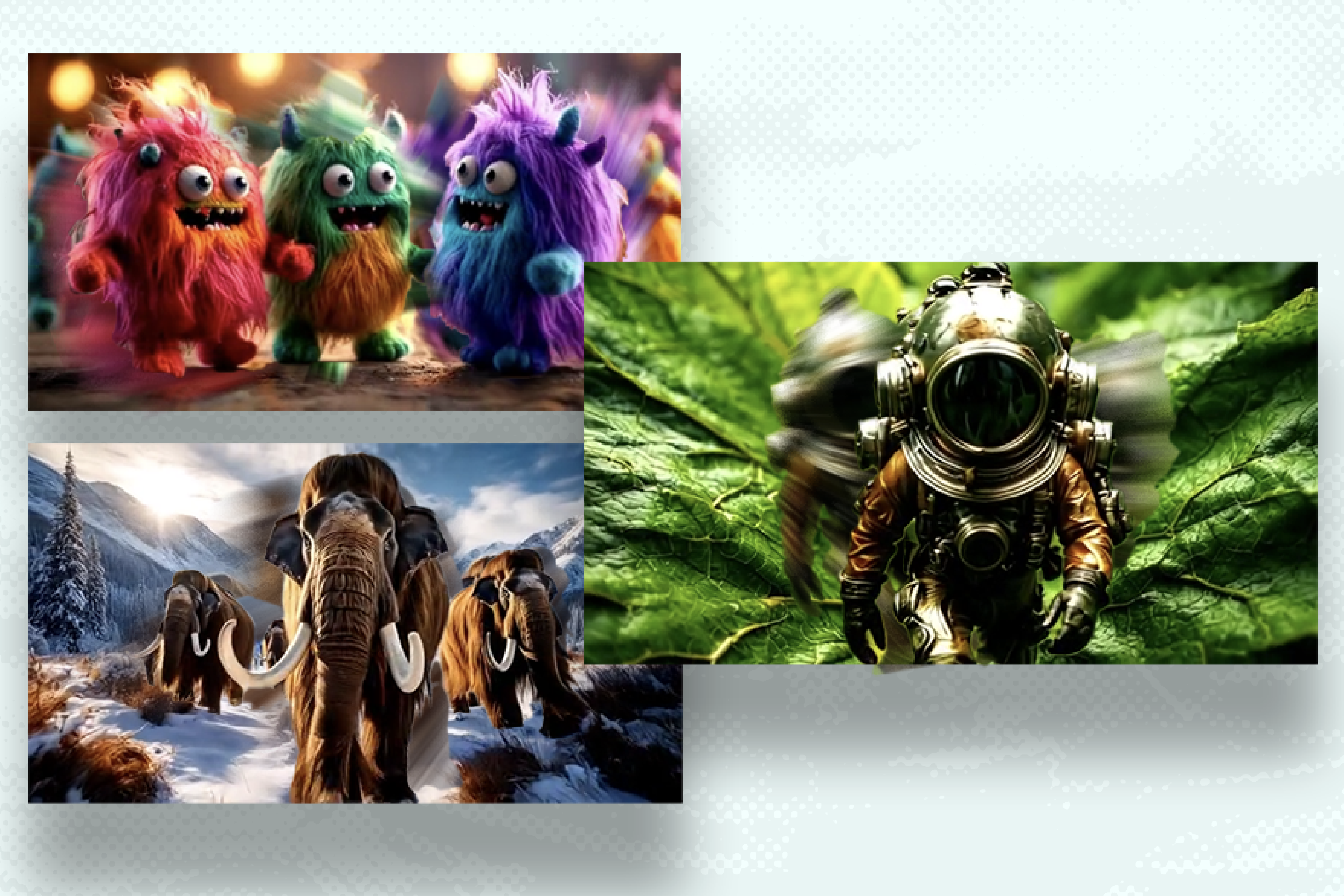
What would a behind-the-scenes look at a video generated by an artificial intelligence model be like? You might think the process is similar to stop-motion animation, where many images are created and stitched together, but that’s not quite the case for “diffusion models” like OpenAl's SORA and Google's VEO 2.
When the Venice Biennale’s 19th International Architecture Exhibition launches on May 10, its guiding theme will be applying nimble, flexible intelligence to a demanding world — an ongoing focus of its curator, MIT faculty member Carlo Ratti.
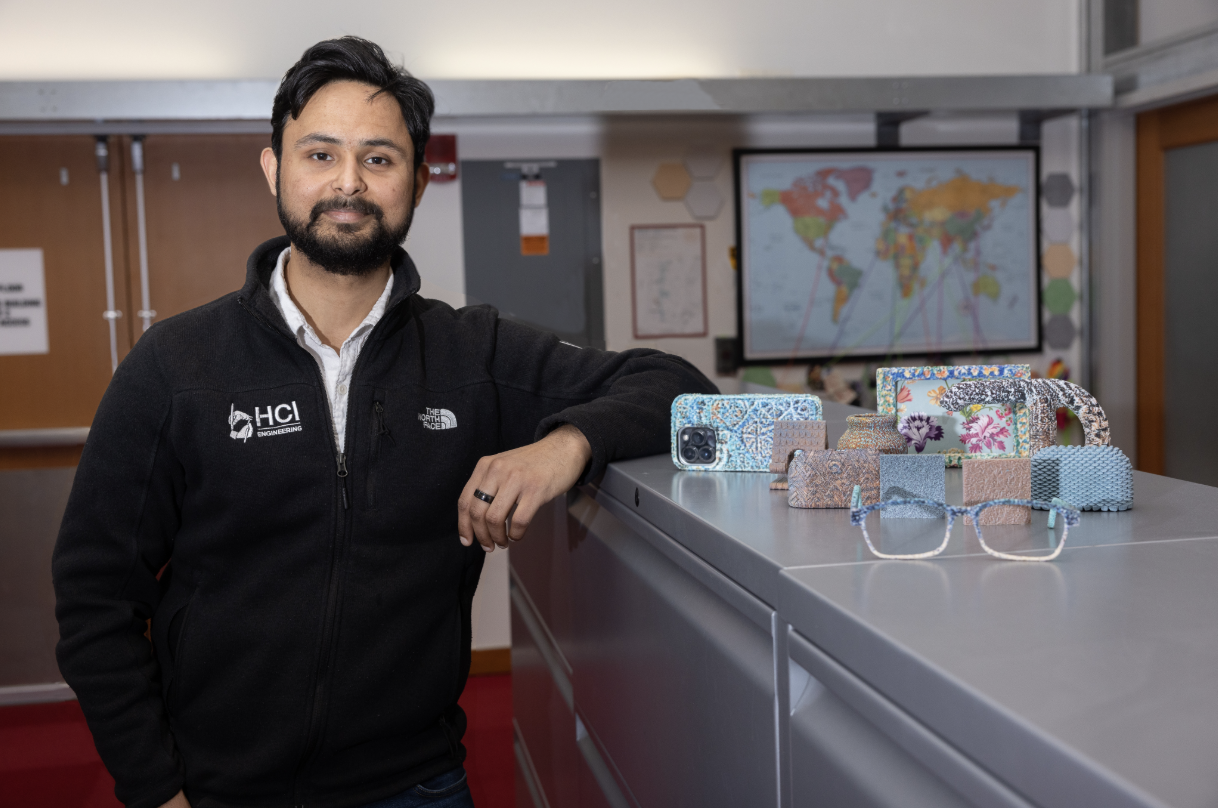
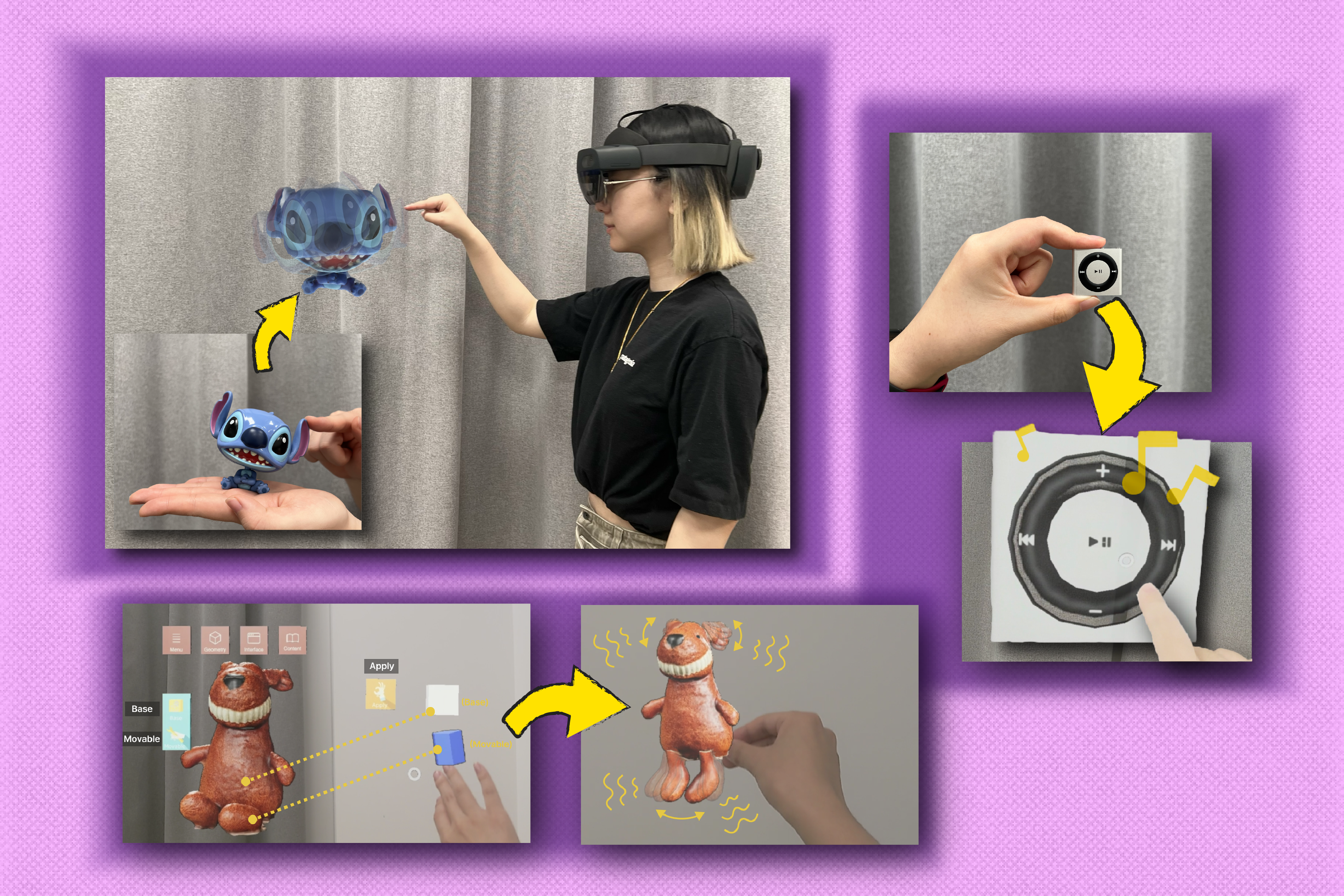
Essential for many industries ranging from Hollywood computer-generated imagery to product design, 3D modeling tools often use text or image prompts to dictate different aspects of visual appearance, like color and form. As much as this makes sense as a first point of contact, these systems are still limited in their realism due to their neglect of something central to the human experience: touch.
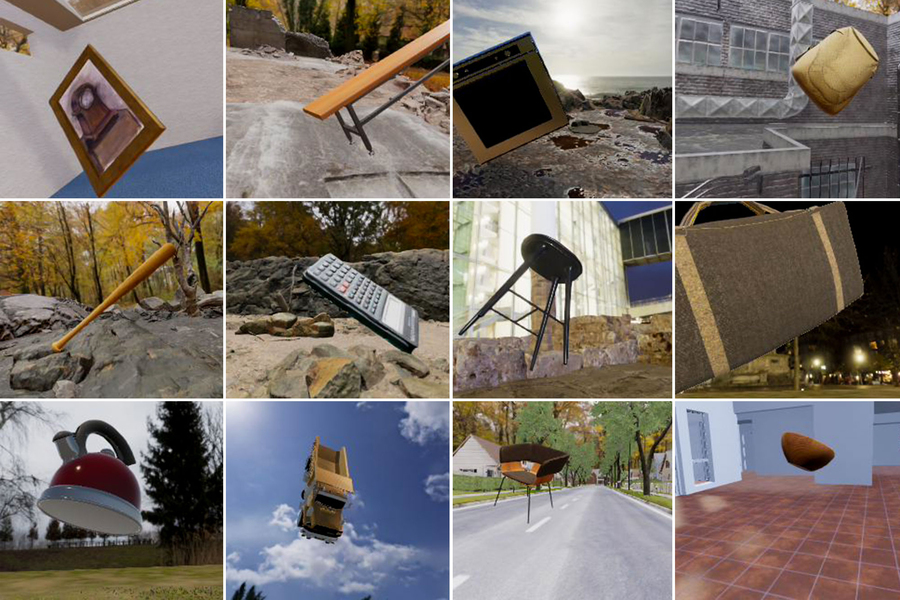
When visual information enters the brain, it travels through two pathways that process different aspects of the input. For decades, scientists have hypothesized that one of these pathways, the ventral visual stream, is responsible for recognizing objects, and that it might have been optimized by evolution to do just that.
Think of your most prized belongings. In an increasingly virtual world, wouldn’t it be great to save a copy of that precious item and all the memories it holds?
Six current MIT affiliates and 27 additional MIT alumni have been elected as fellows of the American Association for the Advancement of Science (AAAS).
Agentic AI systems are “designed to pursue complex goals with autonomy and predictability” (MIT Technology Review). Agentic AI models enable productivity by taking goal-directed actions, making contextual decisions, and adjusting plans based on changing conditions with minimal human oversight.
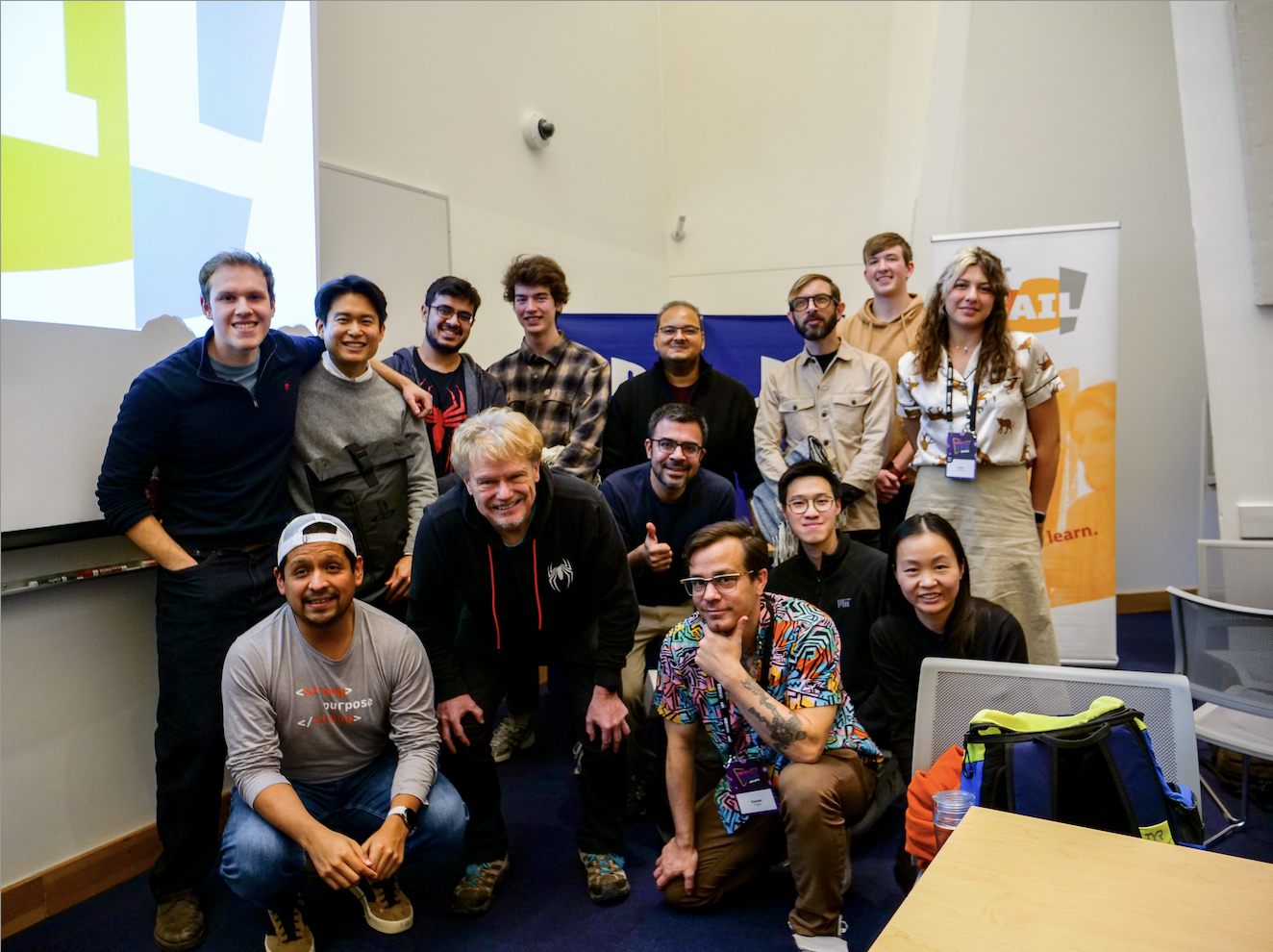
CSAIL Alliances Affiliate Member Sony Interactive Entertainment (SIE) hosted a January 2025 IAP course, “The Nexus of Games and AI.” Designed to “introduce students to game creation, current game-related research, and an exploration of the technology, the art, and the fun of video games,” this course allowed SIE to engage with a broad range of students, meet CSAIL faculty, and deepen their connection to MIT CSAIL.