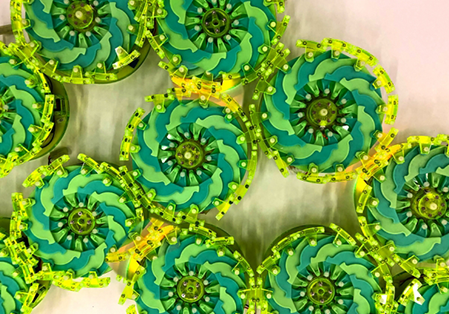
Taking a cue from biological cells, researchers from MIT, Columbia University, and elsewhere have developed computationally simple robots that connect in large groups to move around, transport objects, and complete other tasks.
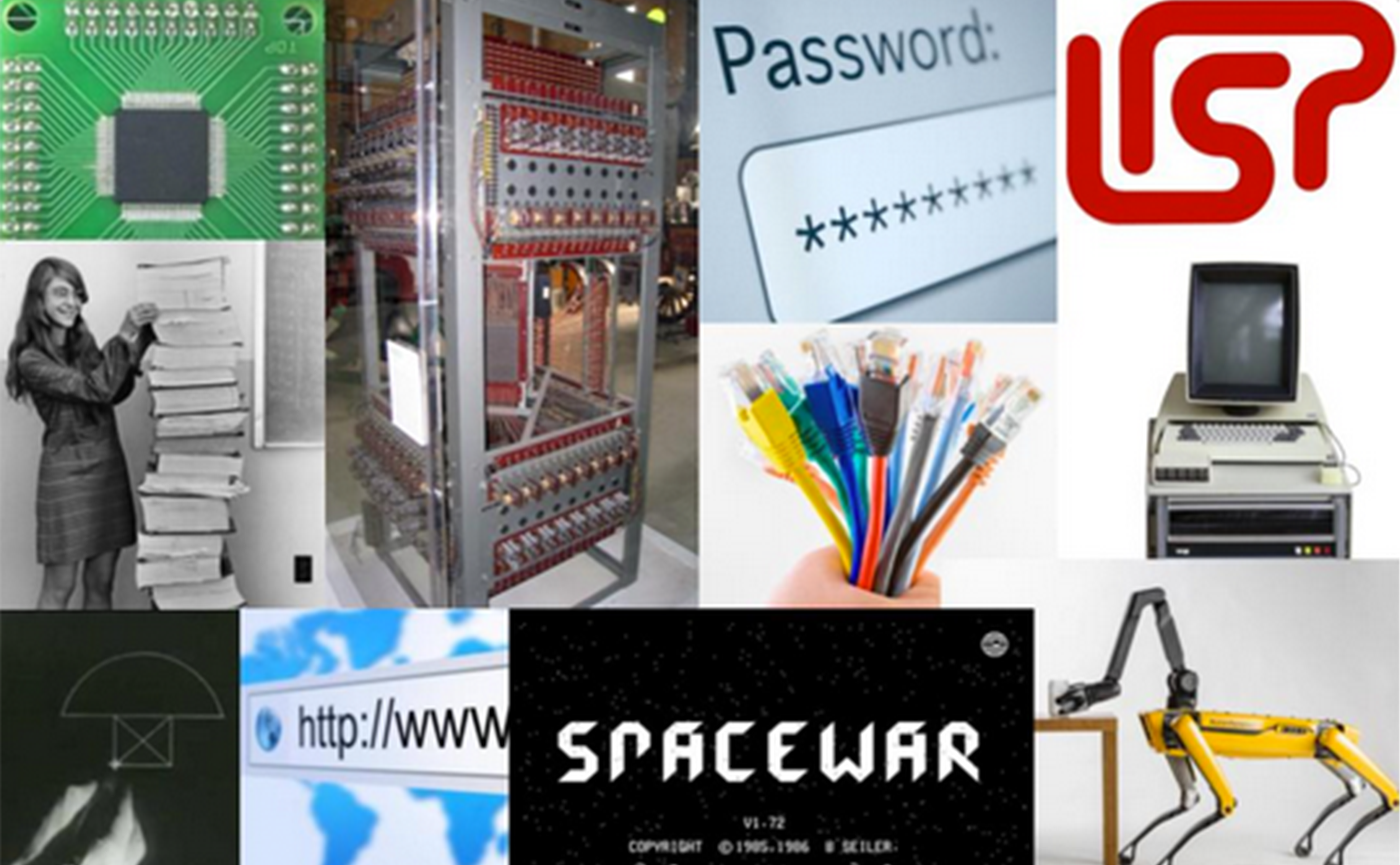
MIT is celebrating the launch of the new $1 billion MIT Stephen A. Schwarzman College of Computing. To help commemorate the event, here’s a list of 25 ways in which MIT has already transformed the world of computing technology.
Today’s data centers eat up and waste a good amount of energy responding to user requests as fast as possible, with only a few microseconds delay. A new system by MIT researchers improves the efficiency of high-speed operations by better assigning time-sensitive data processing across central processing unit (CPU) cores and ensuring hardware runs productively.
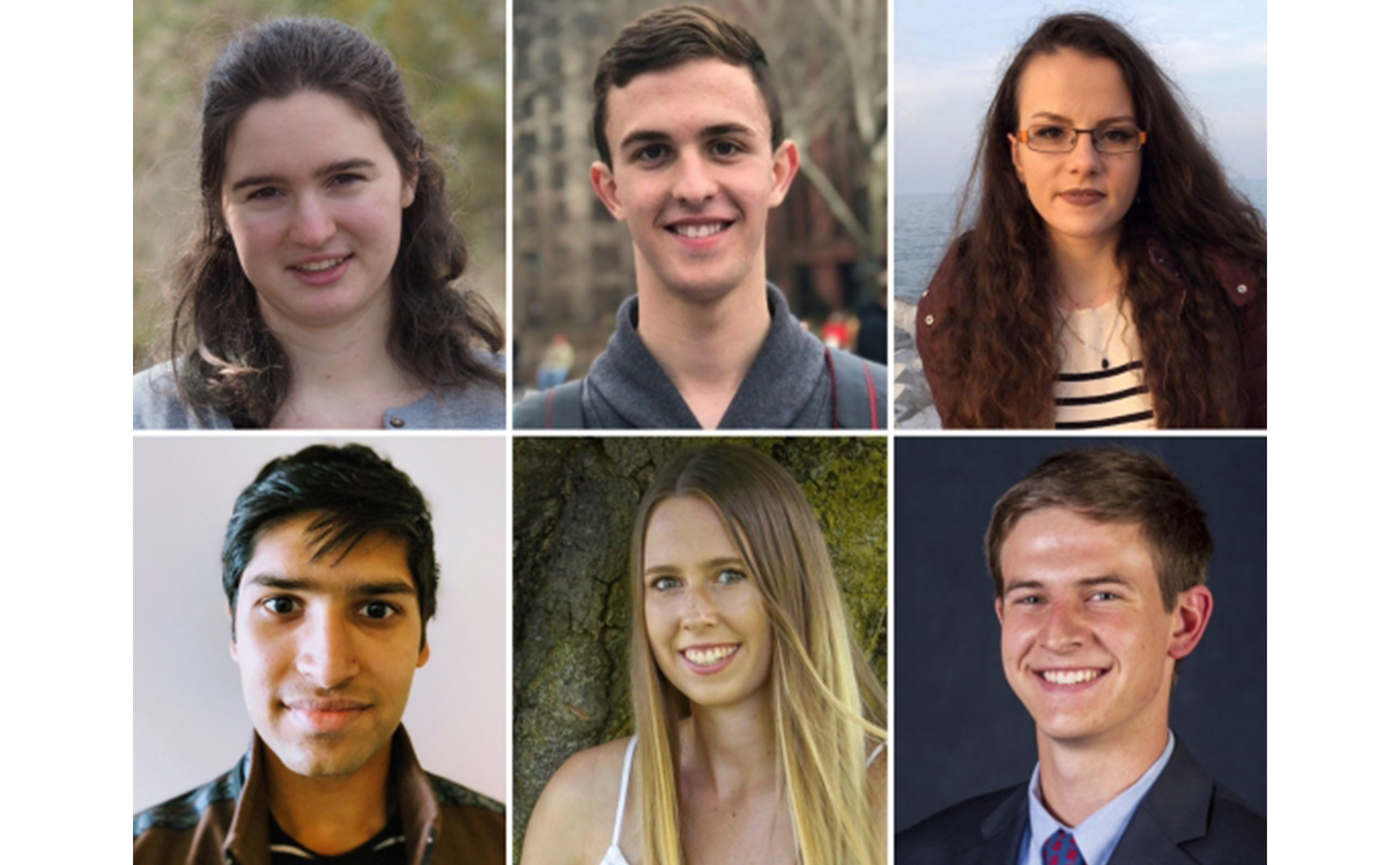
Undergraduate research projects show how students are advancing research in human and artificial intelligence, and applying intelligence tools to other disciplines.
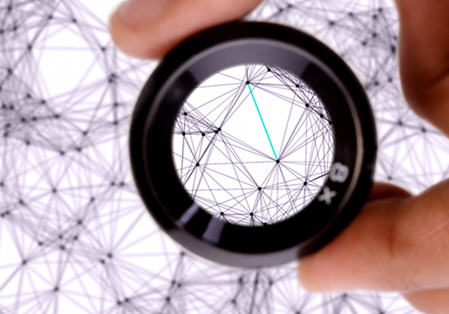
MIT’s Computer Science and Artificial Intelligence Laboratory (CSAIL) held a special workshop with Microsoft Research to explore key challenges in creating trustworthy and robust artificial intelligence (AI) systems. The effort focused on addressing concerns about the trustworthiness of AI systems, including rising concerns with the safety, fairness, and transparency of the technologies.
Four CSAIL faculty were named among the top 100 global leaders in artificial intelligence for health, according to a new report developed by a top technology think-tank.
Neural network assimilates multiple types of health data to help doctors make decisions with incomplete information.
MIT researchers have developed a model that can assimilate multiple types of a patient’s health data to help doctors make decisions with incomplete information.
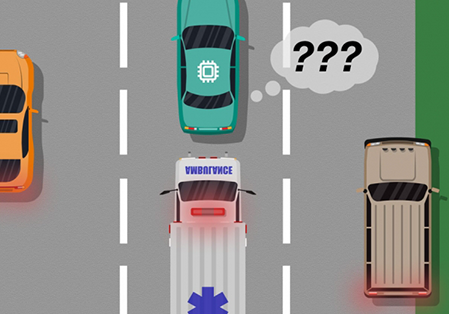
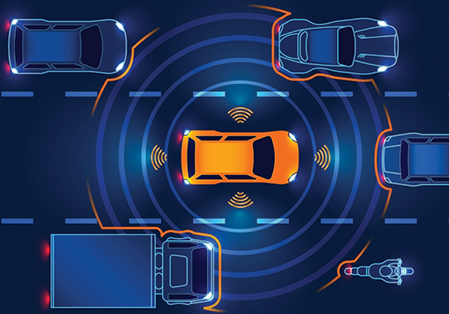
In the field of self-driving cars, algorithms for controlling lane changes are an important topic of study. But most existing lane-change algorithms have one of two drawbacks: Either they rely on detailed statistical models of the driving environment, which are difficult to assemble and too complex to analyze on the fly; or they’re so simple that they can lead to impractically conservative decisions, such as never changing lanes at all.