In 1968, MIT Professor Stephen Benton transformed holography by making three-dimensional images viewable under white light. Over fifty years later, holography’s legacy is inspiring new directions at MIT CSAIL, where the Human-Computer Interaction Engineering (HCIE) group, led by Professor Stefanie Mueller, is pioneering programmable color — a future in which light and material appearance can be dynamically controlled.
When OpenAI introduced ChatGPT to the world in 2022, it brought generative artificial intelligence into the mainstream and started a snowball effect that led to its rapid integration into industry, scientific research, health care, and the everyday lives of people who use the technology.
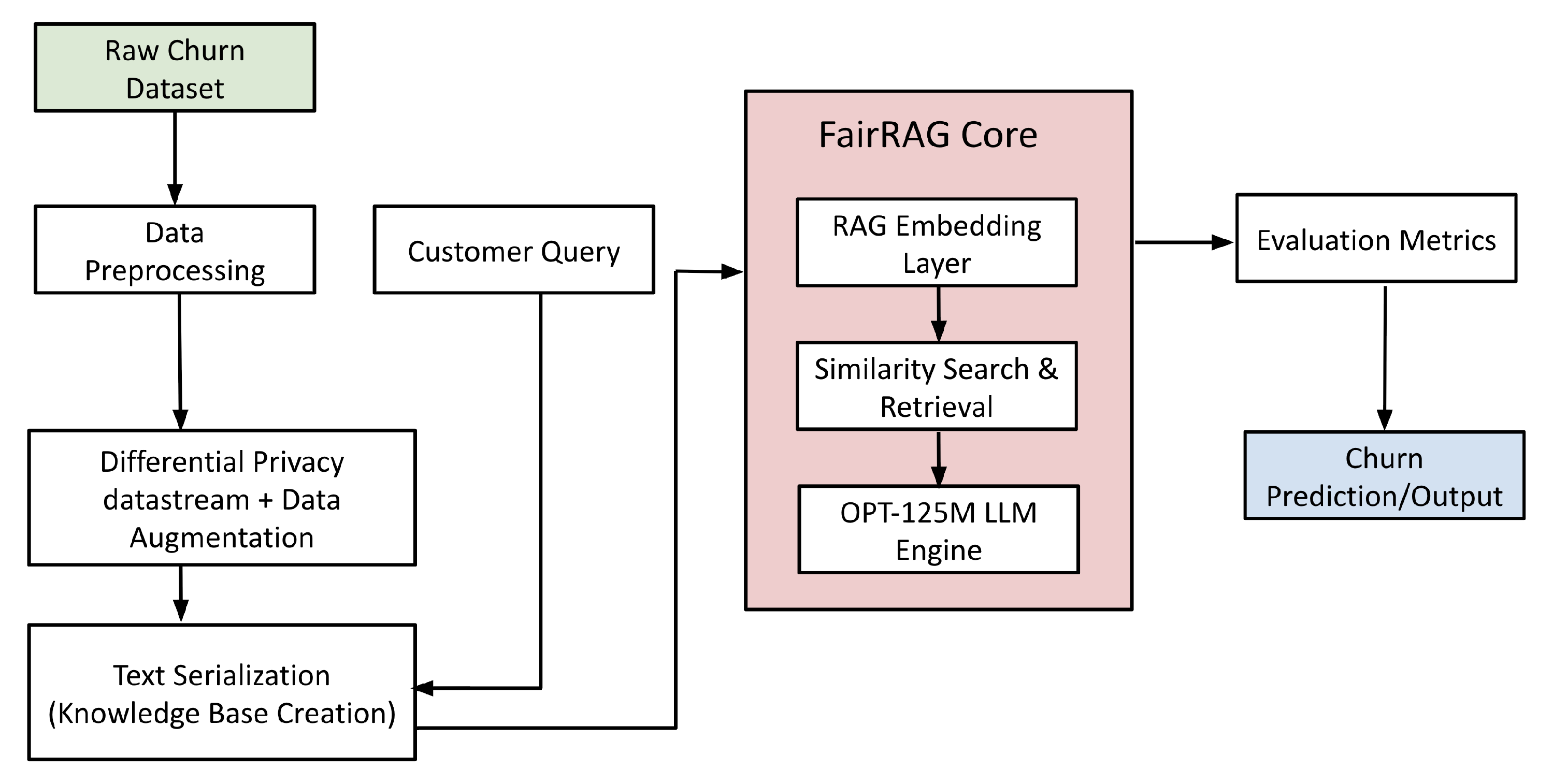
Customer data is a valuable asset for businesses, but its use presents a complex privacy challenge. Companies aim to predict customer churn, yet this process is increasingly restricted by privacy regulations such as GDPR and growing consumer concerns about data protection.
When researchers are building large language models (LLMs), they aim to maximize performance under a particular computational and financial budget. Since training a model can amount to millions of dollars, developers need to be judicious with cost-impacting decisions about, for instance, the model architecture, optimizers, and training datasets before committing to a model. To anticipate the quality and accuracy of a large model’s predictions, practitioners often turn to scaling laws: using smaller, cheaper models to try to approximate the performance of a much larger target model. The challenge, however, is that there are thousands of ways to create a scaling law.
For pregnant women, ultrasounds are an informative (and sometimes necessary) procedure. They typically produce two-dimensional black-and-white scans of fetuses that can reveal key insights, including biological sex, approximate size, and abnormalities like heart issues or cleft lip. If your doctor wants a closer look, they may use magnetic resonance imaging (MRI), which uses magnetic fields to capture images that can be combined to create a 3D view of the fetus.
Whether you’re an artist, advertising specialist, or just looking to spruce up your home, turning everyday objects into dynamic displays is a great way to make them more visually engaging. For example, you could turn a kids’ book into a handheld cartoon of sorts, making the reading experience more immersive and memorable for a child.
The world is awash in data visualizations, from charts accompanying news stories on the economy to graphs tracking the weekly temperature to scatterplots showing relationships between baseball statistics.
3D printing has come a long way since its invention in 1983 by Chuck Hull, who pioneered stereolithography, a technique that solidifies liquid resin into solid objects using ultraviolet lasers. Over the decades, 3D printers have evolved from experimental curiosities into tools capable of producing everything from custom prosthetics to complex food designs, architectural models, and even functioning human organs.
Most people recognize Alzheimer’s from its devastating symptoms such as memory loss, while new drugs target pathological aspects of disease manifestations, such as plaques of amyloid proteins. Now a sweeping new study in the Sept. 4 edition of Cell by MIT researchers shows the importance of understanding the disease as a battle over how well brain cells control the expression of their genes.. The study paints a high-resolution picture of a desperate struggle to maintain healthy gene expression and gene regulation where the consequences of failure or success are nothing less than the loss or preservation of cell function and cognition.