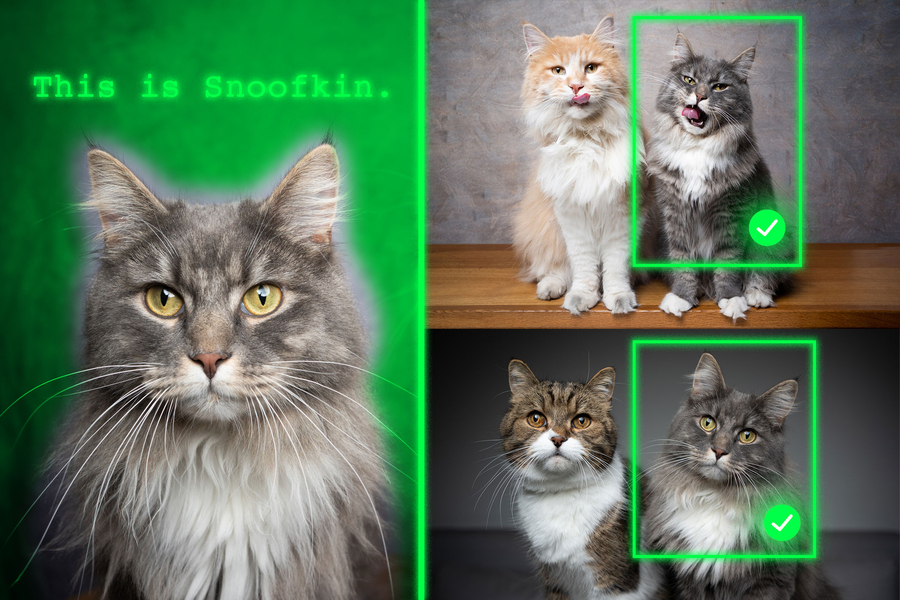
Say a person takes their French Bulldog, Bowser, to the dog park. Identifying Bowser as he plays among the other canines is easy for the dog-owner to do while onsite.
A recent study from Oregon State University estimated that more than 3,500 animal species are at risk of extinction because of factors including habitat alterations, natural resources being overexploited, and climate change.
For patients with inflammatory bowel disease, antibiotics can be a double-edged sword. The broad-spectrum drugs often prescribed for gut flare-ups can kill helpful microbes alongside harmful ones, sometimes worsening symptoms over time. When fighting gut inflammation, you don’t always want to bring a sledgehammer to a knife fight.
Say a local concert venue wants to engage its community by giving social media followers an easy way to share and comment on new music from emerging artists. Rather than working within the constraints of existing social platforms, the venue might want to create its own social app with the functionality that would be best for its community. But building a new social app from scratch involves many complicated programming steps, and even if the venue can create a customized app, the organization’s followers may be unwilling to join the new platform because it could mean leaving their connections and data behind.
In part 2 of our two-part series on generative artificial intelligence’s environmental impacts, MIT News explores some of the ways experts are working to reduce the technology’s carbon footprint.
Chatbots like ChatGPT and Claude have experienced a meteoric rise in usage over the past three years because they can help you with a wide range of tasks. Whether you’re writing Shakespearean sonnets, debugging code, or need an answer to an obscure trivia question, artificial intelligence (AI) systems seem to have you covered. The source of this versatility? Billions or even trillions of textual data points across the Internet.
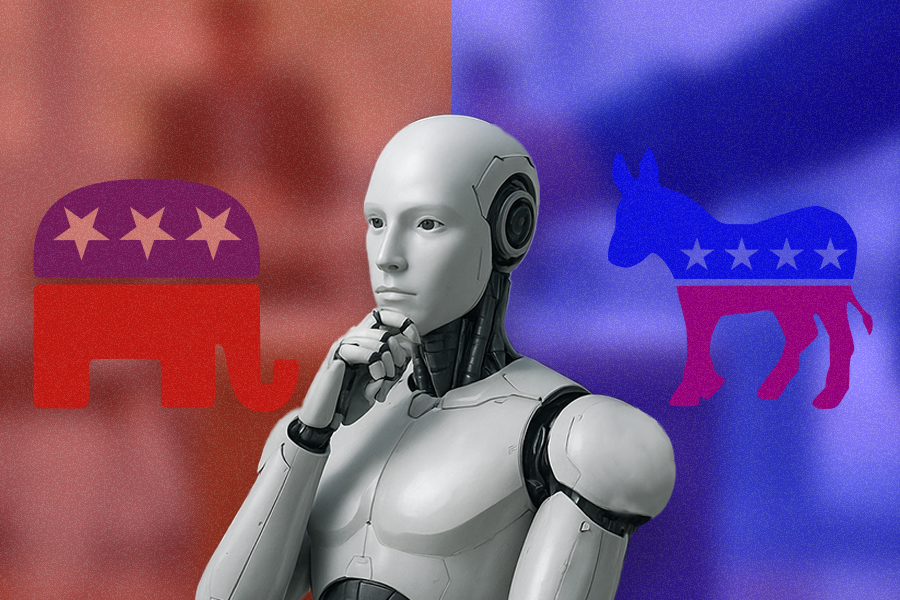
In the months leading up to the 2024 U.S. presidential election, a team of researchers at MIT CSAIL, MIT Sloan, MIT LIDS, set out to answer a question no one had fully explored: how do large language models (LLMs) respond to questions about the election? Over four months, from July through November, the team ran nearly daily queries across 12 state-of-the-art models on more than 12,000 carefully constructed prompts, generating a dataset with over 16 million responses from LLMs, to help answer this question.
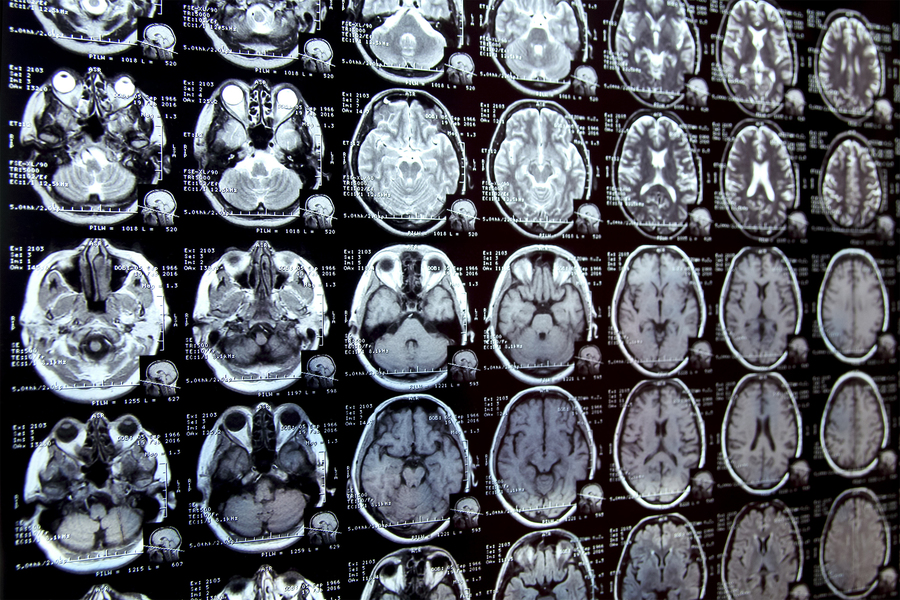
Annotating regions of interest in medical images, a process known as segmentation, is often one of the first steps clinical researchers take when running a new study involving biomedical images.
A global cohort of eight scientists and engineers working in a variety of disciplines were named Schmidt Polymaths and will each receive up to $2.5 million over five years to pursue research in new disciplines or using new methodologies, Schmidt Sciences announced today.
The artificial intelligence models that turn text into images are also useful for generating new materials. Over the last few years, generative materials models from companies like Google, Microsoft, and Meta have drawn on their training data to help researchers design tens of millions of new materials.