With machine learning systems now being used to determine everything from stock prices to medical diagnoses, it’s never been more important to look at how they arrive at decisions.
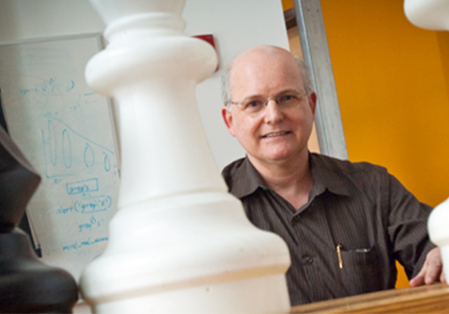
A new approach out of MIT demonstrates that the main culprit is not just the algorithms themselves, but how the data itself is collected.
Researchers compiled and analyzed the first-ever comprehensive dataset of RfC conversations, captured over an eight-year period, and conducted interviews with editors who frequently close RfCs, to understand why they don’t find a resolution.
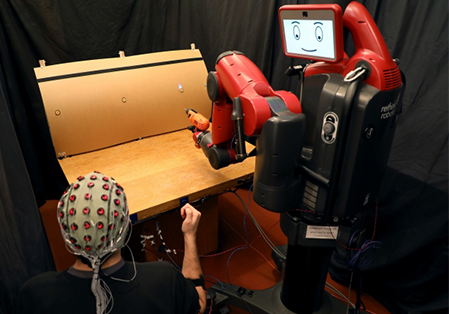
Getting robots to do things isn’t easy: Usually, scientists have to either explicitly program them or get them to understand how humans communicate via language.
But what if we could control robots more intuitively, using just hand gestures and brainwaves?
Investigating inside the human body often requires cutting open a patient or swallowing long tubes with built-in cameras. But what if physicians could get a better glimpse in a less expensive, invasive, and time-consuming manner?
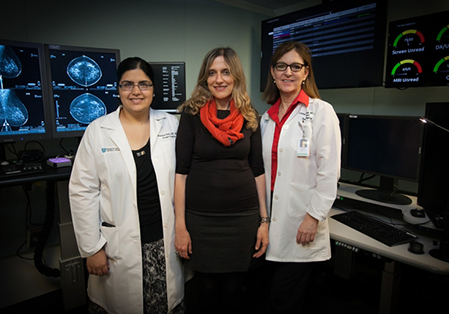
Researchers from MIT and Massachusetts General Hospital have developed an automated model that assesses dense breast tissue in mammograms — which is an independent risk factor for breast cancer — as reliably as expert radiologists.
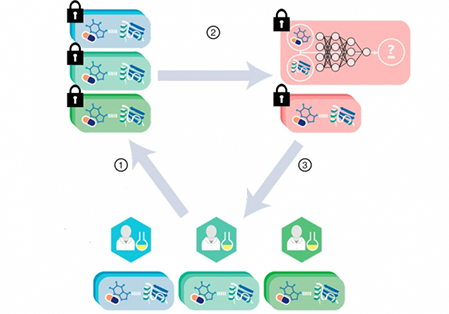
MIT researchers have developed a cryptographic system that could help neural networks identify promising drug candidates in massive pharmacological datasets, while keeping the data private.
Editing genes with CRISPR-Cas9 allows scientists to break DNA at specific locations, but this can create “spelling errors” that alter the function of genes.
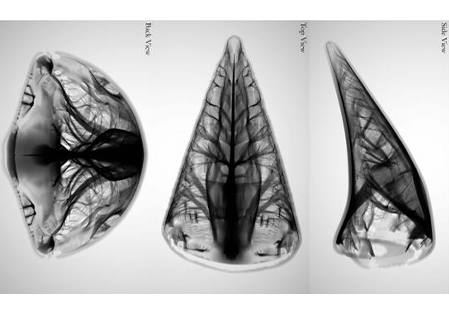
We present a novel computational framework for high-resolution topology optimization that delivers leaps in simulation capabilities, by two orders of magnitude, from the state-of-the-art approaches.
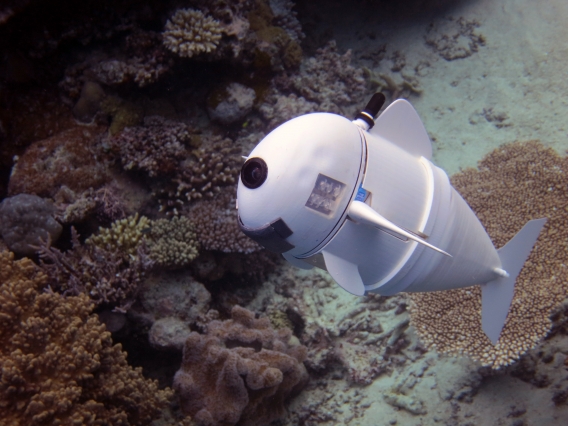
This work presents the design, fabrication, control, and oceanic testing of a soft robotic fish that can swim in three dimensions to continuously record the aquatic life it is following or engaging.