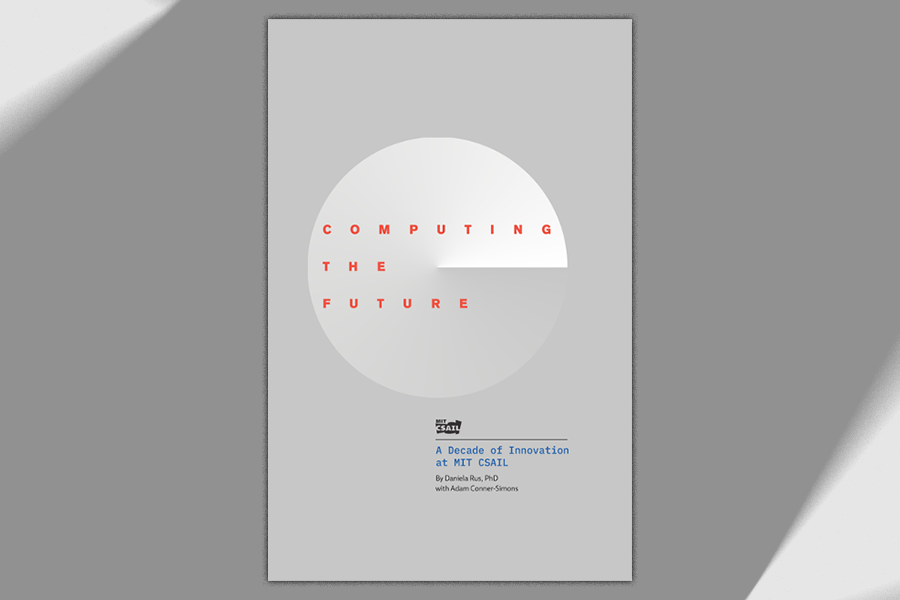
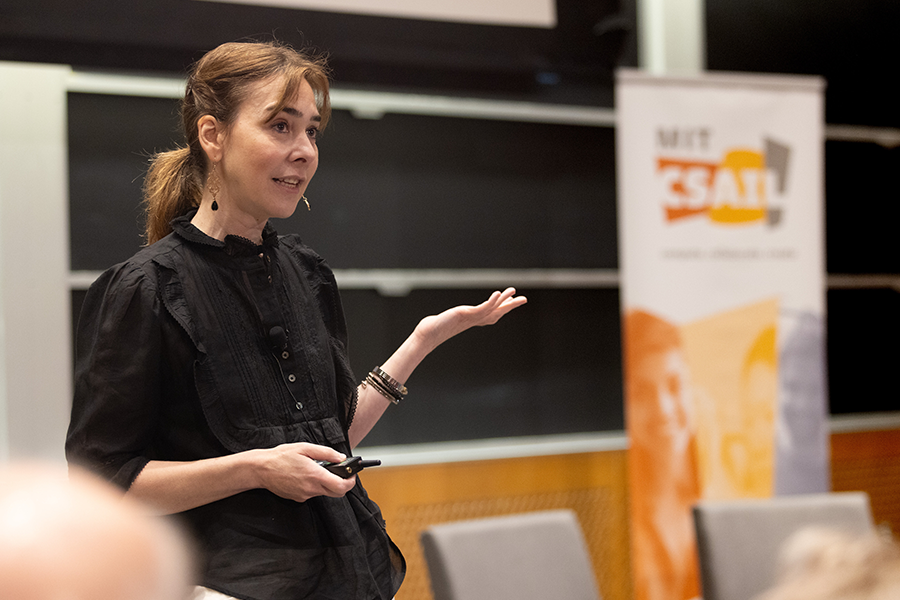
For more than 60 years, MIT has been an undisputed pioneer in developing computing technologies that have transformed the world. The Institute’s largest research lab, the Computer Science and Artificial Intelligence Laboratory (CSAIL), has had a hand in everything from time-sharing and computer graphics to data encryption and early versions of the Internet.
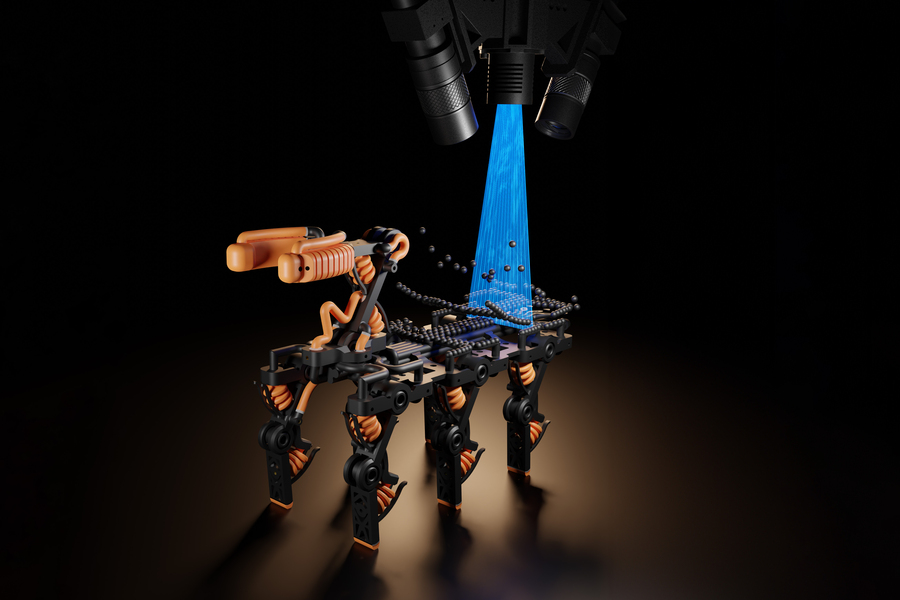
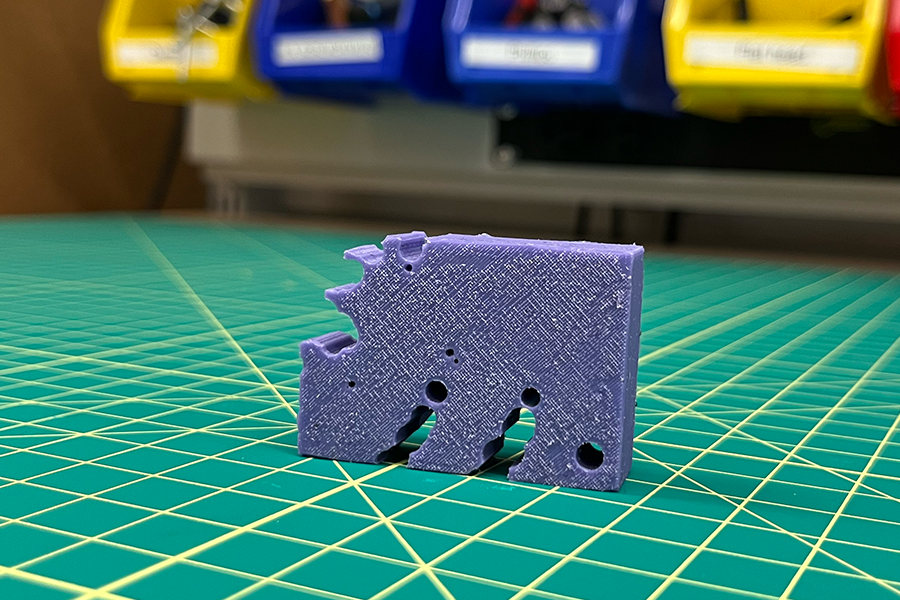
With 3D inkjet printing systems, engineers can fabricate hybrid structures that have soft and rigid components, like robotic grippers that are strong enough to grasp heavy objects but soft enough to interact safely with humans.
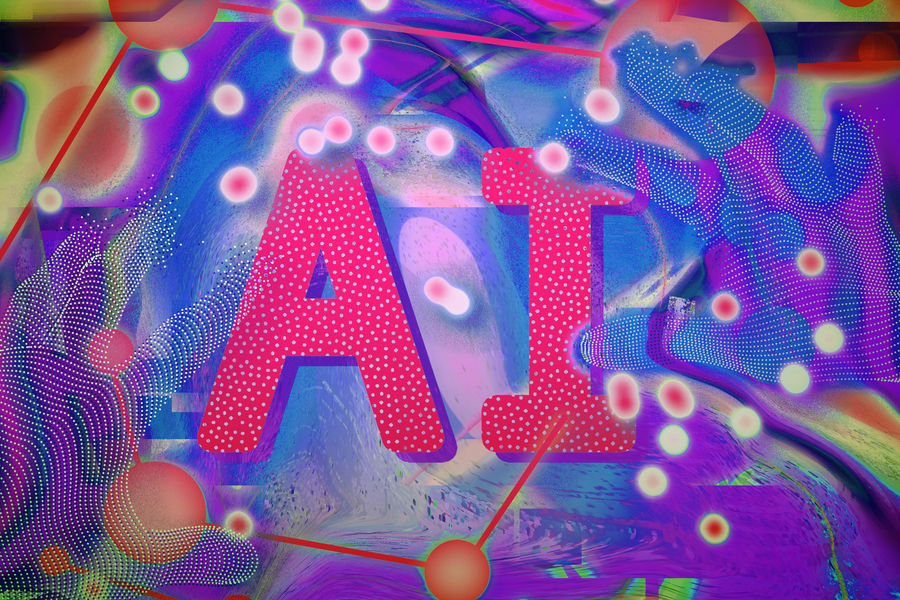
A quick scan of the headlines makes it seem like generative artificial intelligence is everywhere these days. In fact, some of those headlines may actually have been written by generative AI, like OpenAI’s ChatGPT, a chatbot that has demonstrated an uncanny ability to produce text that seems to have been written by a human.
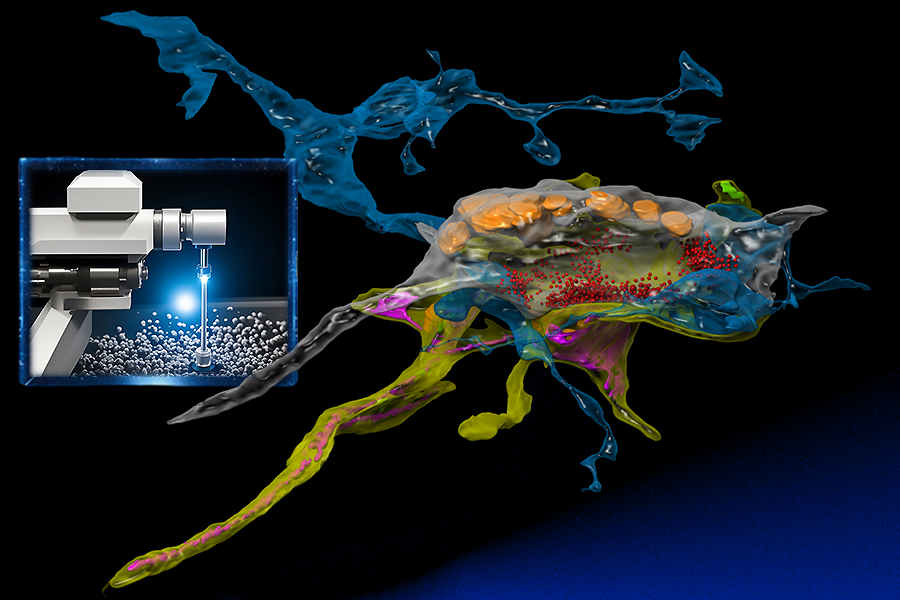
Connectomics, the ambitious field of study that seeks to map the intricate network of animal brains, is undergoing a growth spurt. Within the span of a decade, it has journeyed from its nascent stages to a discipline that is poised to (hopefully) unlock the enigmas of cognition and the physical underpinning of neuropathologies such as in Alzheimer’s disease.
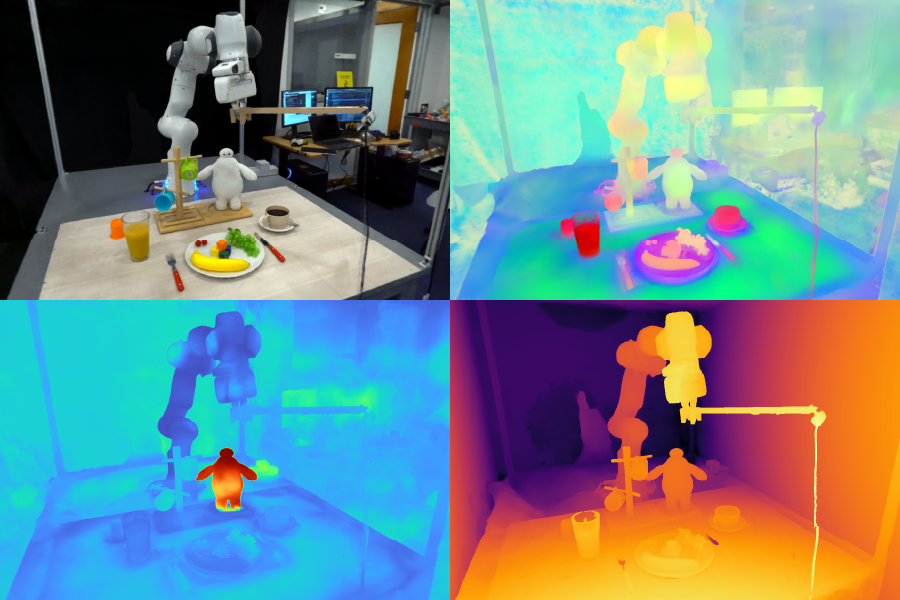
Imagine you’re visiting a friend abroad, and you look inside their fridge to see what would make for a great breakfast. Many of the items initially appear foreign to you, with each one encased in unfamiliar packaging and containers. Despite these visual distinctions, you begin to understand what each one is used for and pick them up as needed.
While any two human genomes are about 99.9 percent identical, genetic variation in the remaining 0.1 percent plays an important role in shaping human diversity, including a person’s risk for developing certain diseases.
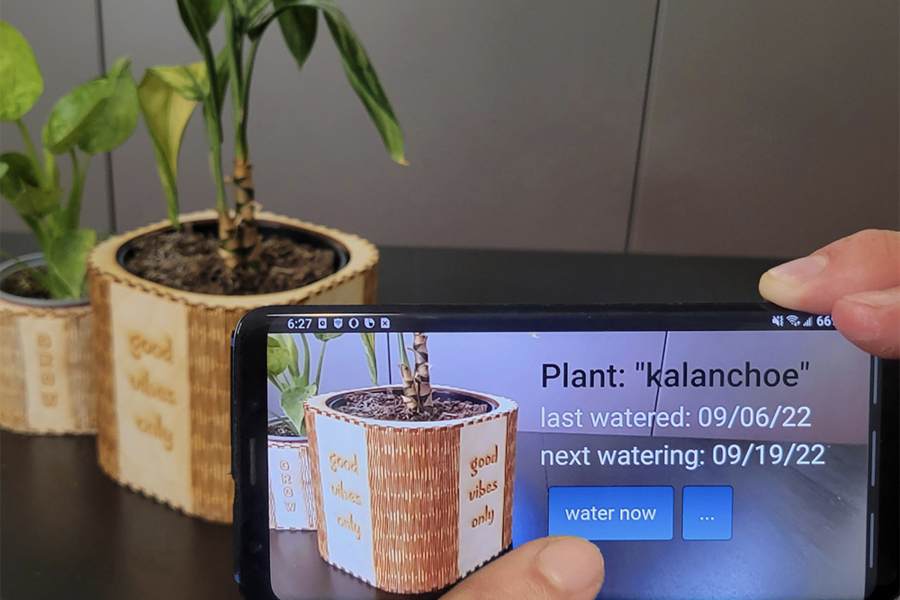
To get a sense of what StructCode is all about, says Mustafa Doğa Doğan, think of Superman. Not the “faster than a speeding bullet” and “more powerful than a locomotive” version, but a Superman, or Superwoman, who sees the world differently from ordinary mortals — someone who can look around a room and glean all kinds of information about ordinary objects that is not apparent to people with less penetrating faculties.
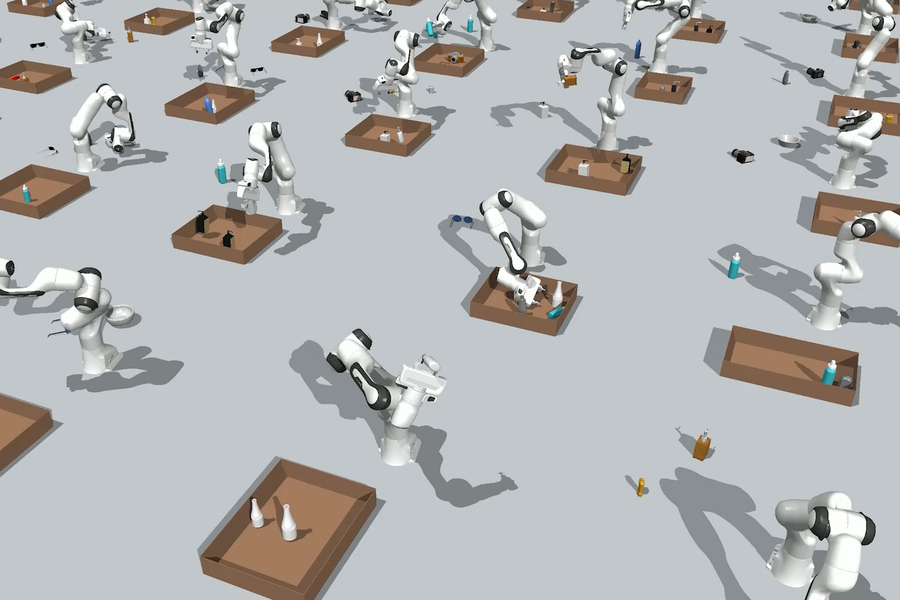
Anyone who has ever tried to pack a family-sized amount of luggage into a sedan-sized trunk knows this is a hard problem. Robots struggle with dense packing tasks, too.
Dina Katabi, MIT EECS Thuan and Nicole Pham Professor and CSAIL principal investigator, was recently honored with the SIGCOMM Lifetime Achievement Award for her impact on the field of data communications.