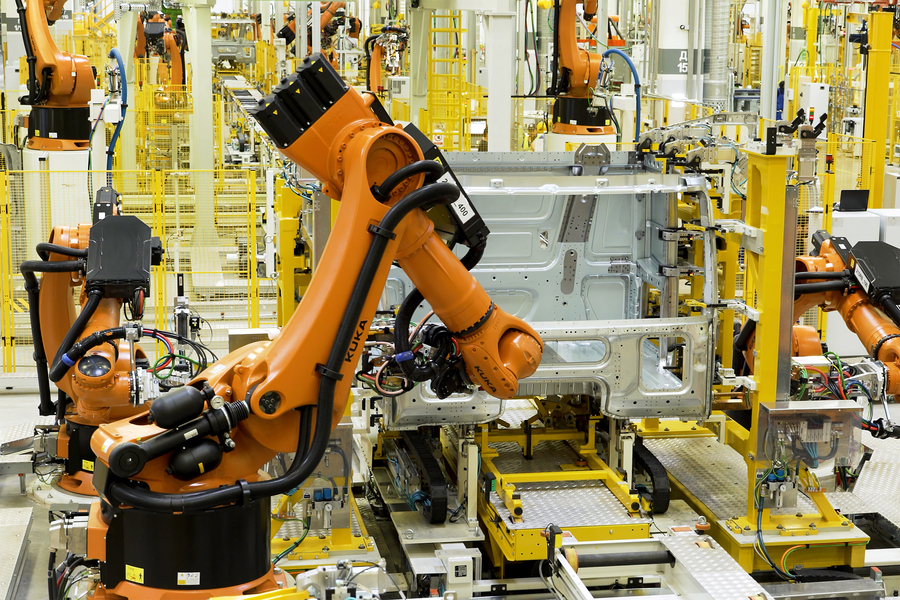
Before a robot can grab dishes off a shelf to set the table, it must ensure its gripper and arm won’t crash into anything and potentially shatter the fine china. As part of its motion planning process, a robot typically runs “safety check” algorithms that verify its trajectory is collision-free.
Three MIT Computer Science and Artificial Intelligence Laboratory (CSAIL) members are among 126 early-career researchers honored with 2024 Sloan Research Fellowships by the Alfred P. Sloan Foundation. Representing the departments of Chemistry, Electrical Engineering and Computer Science, and Physics, and the MIT Sloan School of Management, the awardees will receive a two-year, $75,000 fellowship to advance their research.
Pollsters trying to predict presidential election results and physicists searching for distant exoplanets have at least one thing in common: They often use a tried-and-true scientific technique called Bayesian inference.
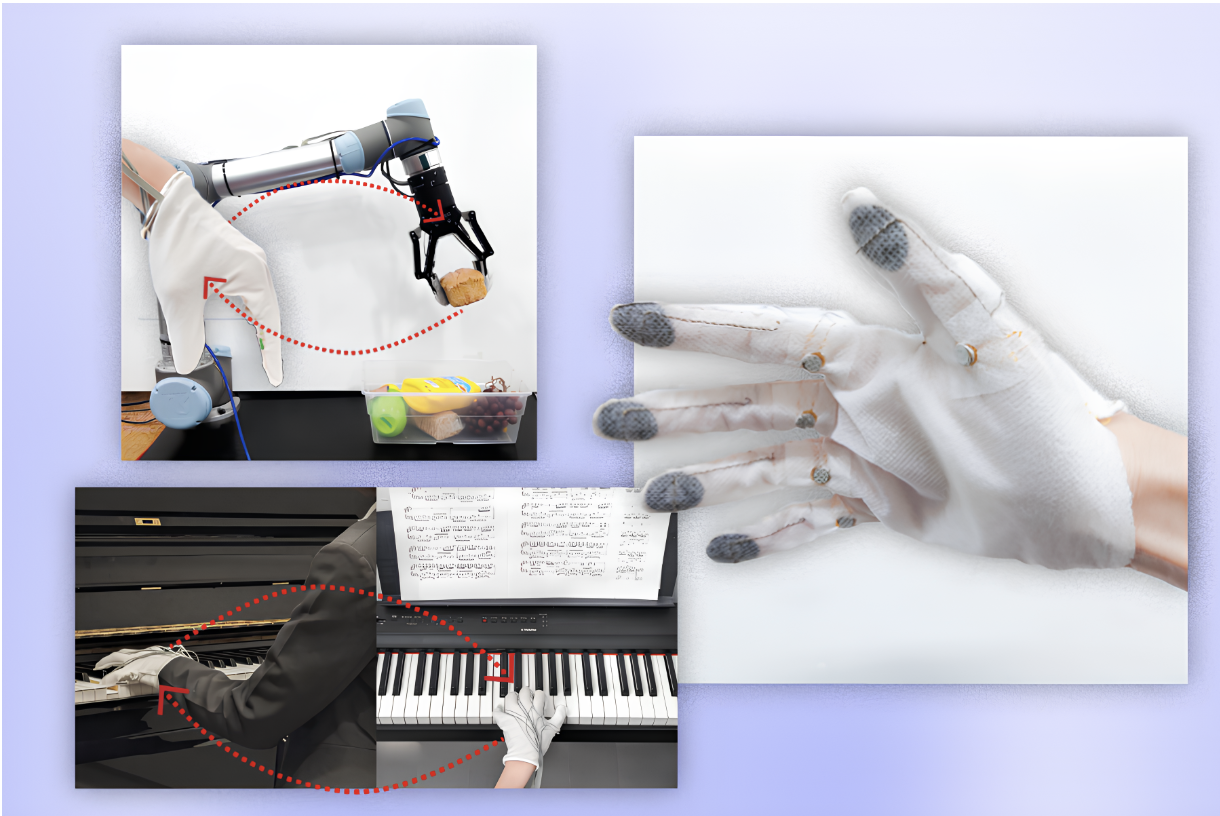
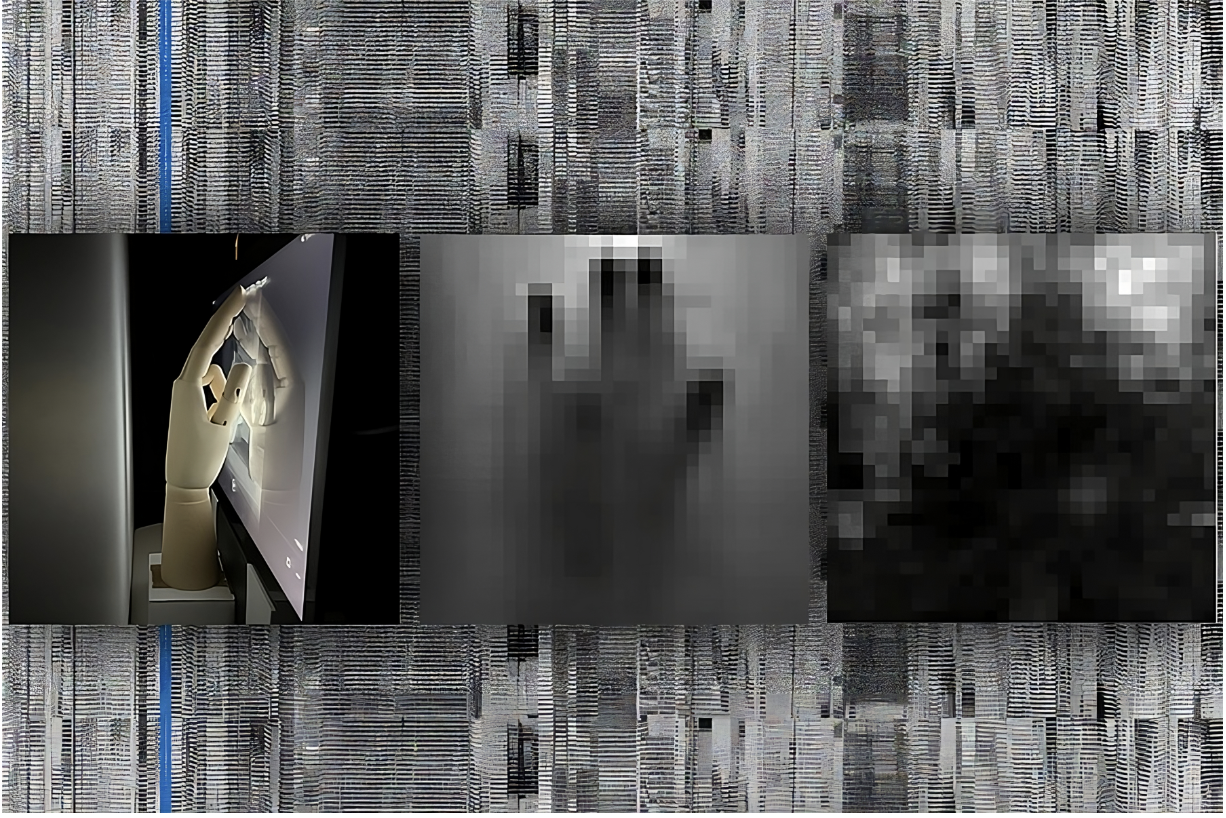
You’ve likely met someone who identifies as a visual or auditory learner, but others absorb knowledge through a different modality: touch. Being able to understand tactile interactions is especially important for tasks such as learning delicate surgeries and playing musical instruments, but unlike video and audio, touch is difficult to record and transfer.
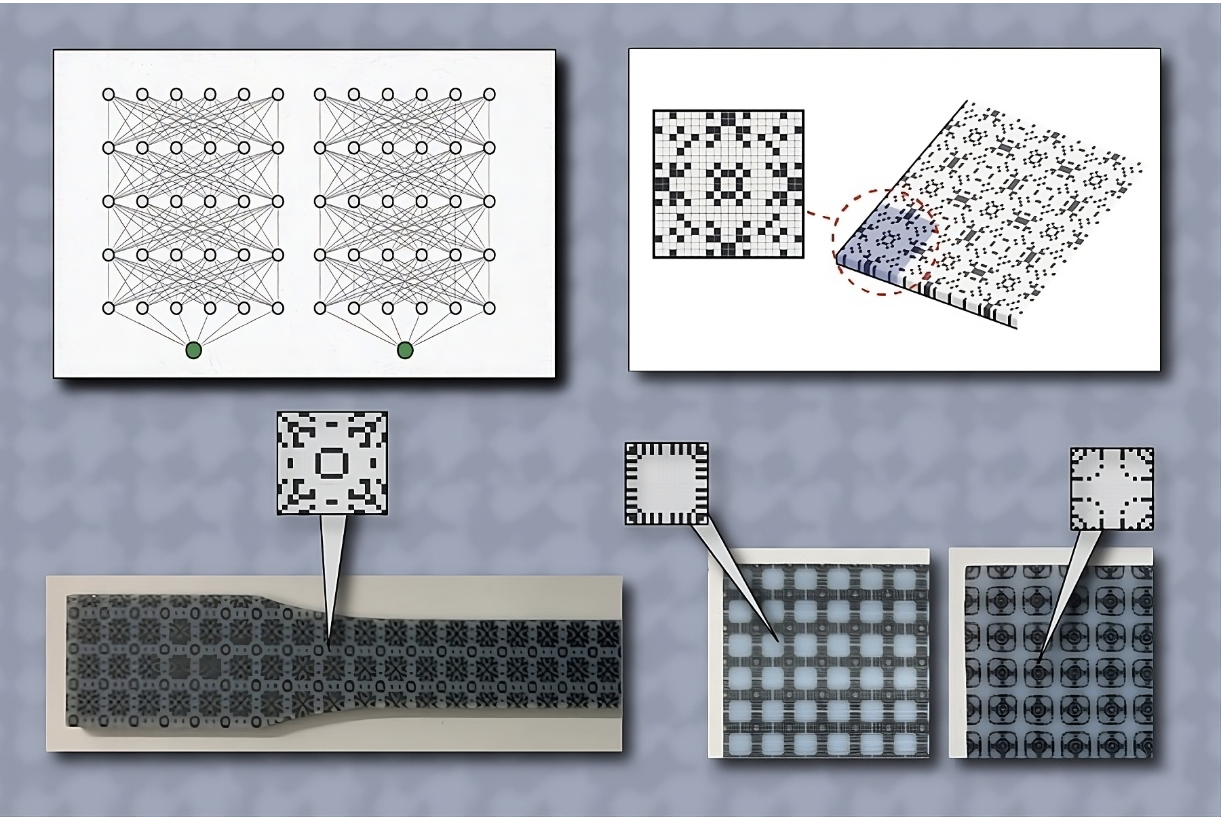
Every time you smoothly drive from point A to point B, you're not just enjoying the convenience of your car, but also the sophisticated engineering that makes it safe and reliable. Beyond its comfort and protective features lies a lesser-known yet crucial aspect: the expertly optimized mechanical performance of microstructured materials. These materials, integral yet often unacknowledged, are what fortify your vehicle, ensuring durability and strength on every journey.
Behrooz Tahmasebi — an MIT PhD student in the Department of Electrical Engineering and Computer Science (EECS) and an affiliate of the Computer Science and Artificial Intelligence Laboratory (CSAIL) — was taking a mathematics course on differential equations in late 2021 when a glimmer of inspiration struck.
Like many of us, you might find yourself nodding to a familiar digital doomsday chorus that vibrates through offices and coffee shops alike: AI will take my job!
The first documented case of pancreatic cancer dates back to the 18th century. Since then, researchers have undertaken a protracted and challenging odyssey to understand the elusive and deadly disease. To date, there is no better cancer treatment than early intervention. Unfortunately, the pancreas, nestled deep within the abdomen, is particularly elusive for early detection.
In George Orwell’s novel “1984,” Big Brother watches citizens through two-way, TV-like telescreens to surveil citizens without any cameras. In a similar fashion, our current smart devices contain ambient light sensors, which open the door to a different threat: hackers.
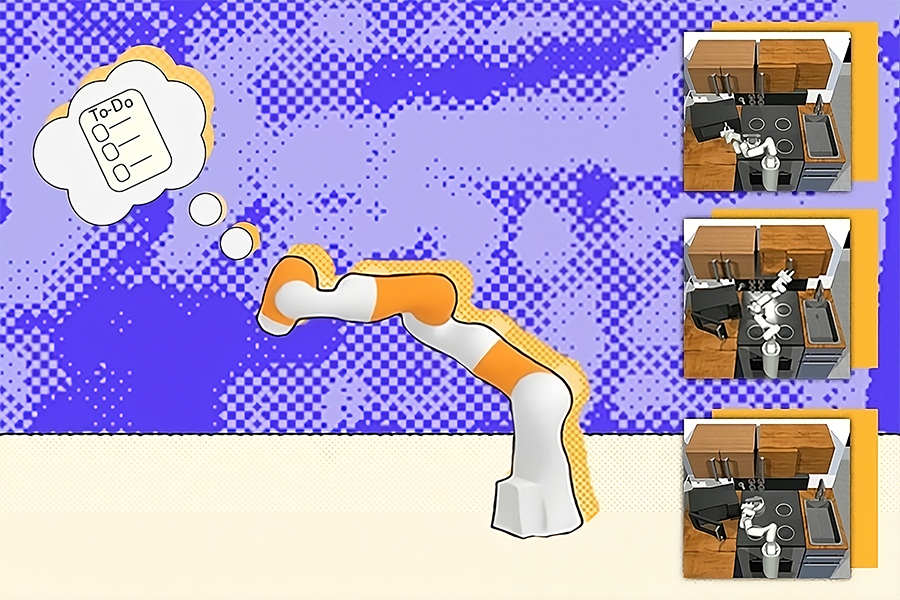
MIT’s Improbable AI Lab, a group within CSAIL, has offered these machines a helping hand with a new multimodal framework: Compositional Foundation Models for Hierarchical Planning (HiP), which develops detailed, feasible plans with the expertise of three different foundation models.