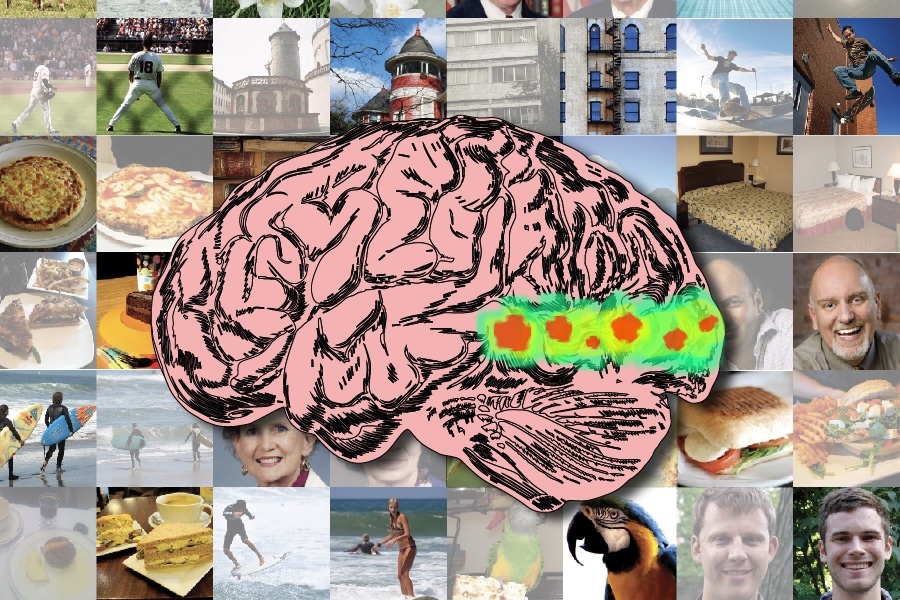
For nearly a decade, a team of MIT Computer Science and Artificial Intelligence Laboratory (CSAIL) researchers have been seeking to uncover why certain images persist in a people's minds, while many others fade. To do this, they set out to map the spatio-temporal brain dynamics involved in recognizing a visual image. And now for the first time, scientists harnessed the combined strengths of magnetoencephalography (MEG), which captures the timing of brain activity, and functional magnetic resonance imaging (fMRI), which identifies active brain regions, to precisely determine when and where the brain processes a memorable image.
To build AI systems that can collaborate effectively with humans, it helps to have a good model of human behavior to start with. But humans tend to behave suboptimally when making decisions.
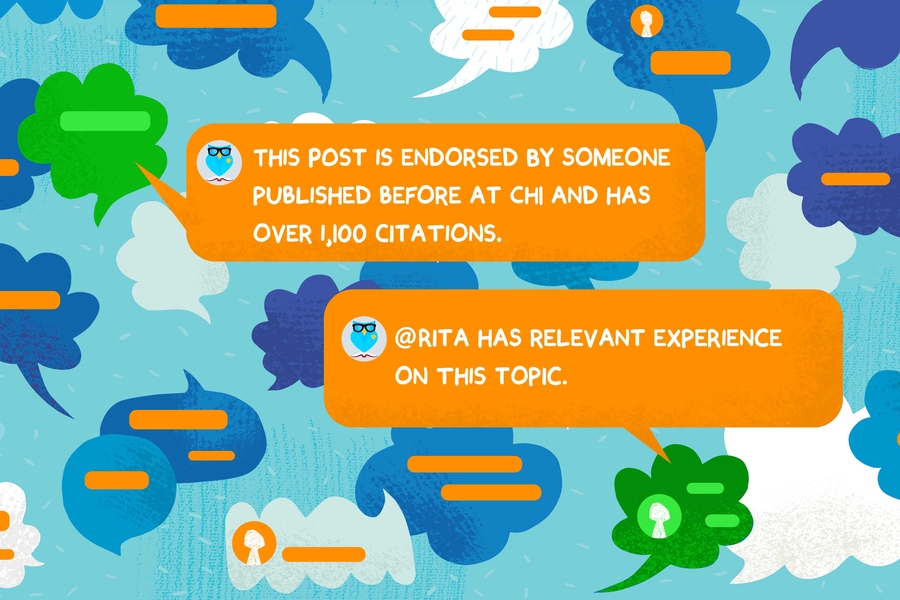
Have you ever felt reluctant to share ideas during a meeting because you feared judgment from senior colleagues? You’re not alone. Research has shown this pervasive issue can lead to a lack of diversity in public discourse, especially when junior members of a community don’t speak up because they feel intimidated.
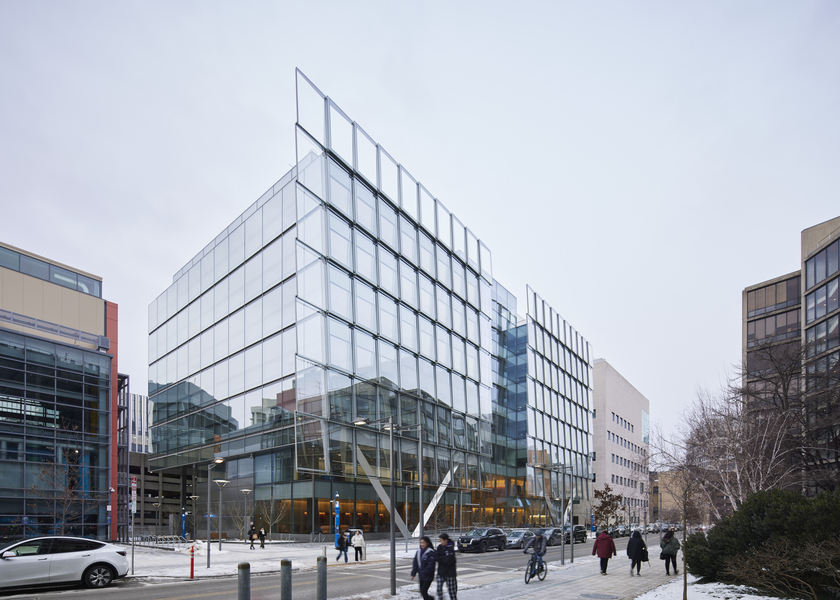
On Vassar Street, in the heart of MIT’s campus, the MIT Stephen A. Schwarzman College of Computing recently opened the doors to its new headquarters in Building 45. The building’s central location and welcoming design will help form a new cluster of connectivity at MIT and enable the space to have a multifaceted role.
When MIT professor and now Computer Science and Artificial Intelligence Laboratory (CSAIL) member Peter Shor first demonstrated the potential of quantum computers to solve problems faster than classical ones, he inspired scientists to imagine countless possibilities for the emerging technology. Thirty years later, though, the quantum edge remains a peak not yet reached.
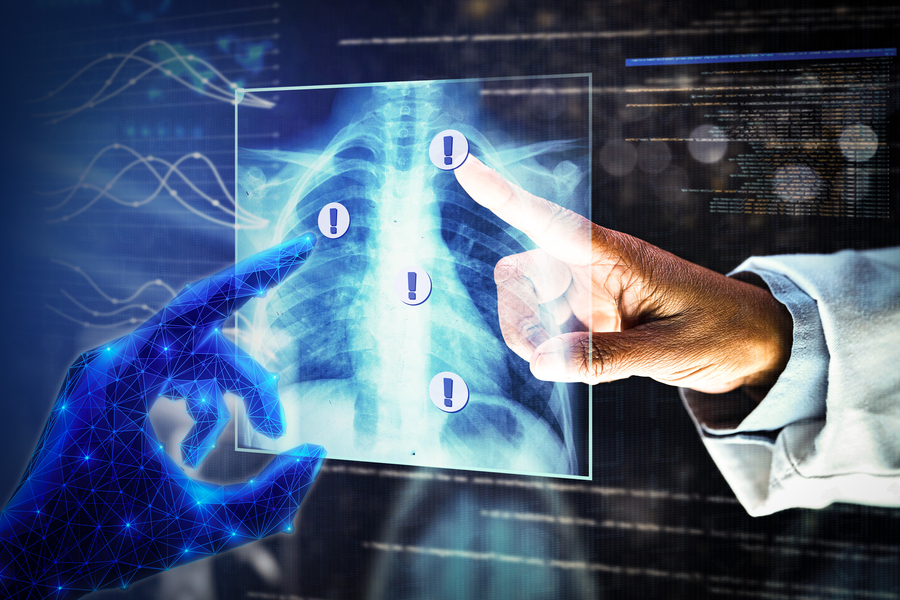
In biomedicine, segmentation involves annotating pixels from an important structure in a medical image, like an organ or cell. Artificial intelligence models can help clinicians by highlighting pixels that may show signs of a certain disease or anomaly.
A user could ask ChatGPT to write a computer program or summarize an article, and the AI chatbot would likely be able to generate useful code or write a cogent synopsis. However, someone could also ask for instructions to build a bomb, and the chatbot might be able to provide those, too.
To engineer proteins with useful functions, researchers usually begin with a natural protein that has a desirable function, such as emitting fluorescent light, and put it through many rounds of random mutation that eventually generate an optimized version of the protein.
From students crafting essays and engineers writing code to call center operators responding to customers, generative artificial intelligence tools have prompted a wave of experimentation over the past year. At MIT, these experiments have raised questions — some new, some ages old — about how these tools can change the way we live and work.
A growing number of tools enable users to make online data representations, like charts, that are accessible for people who are blind or have low vision. However, most tools require an existing visual chart that can then be converted into an accessible format.