In high-stakes settings like medical diagnostics, users often want to know what led a computer vision model to make a certain prediction, so they can determine whether to trust its output.
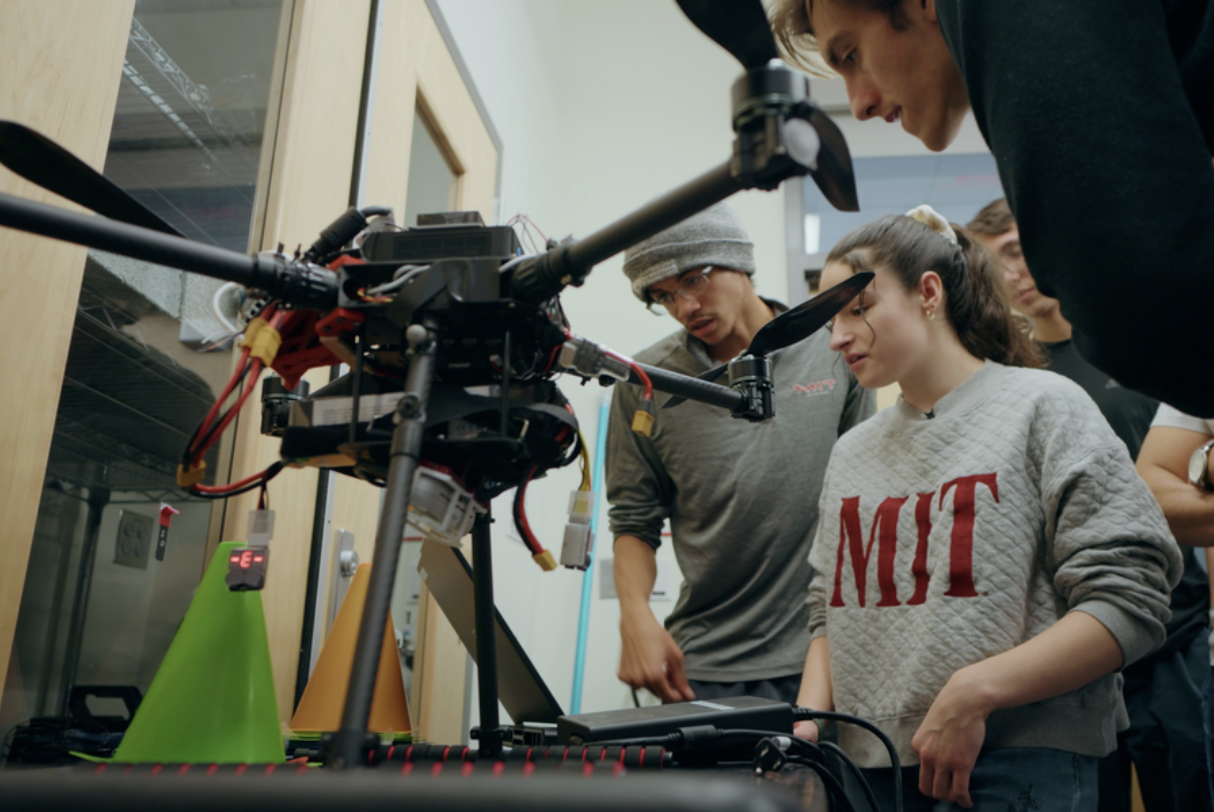
Flying on Mars — or any other world — is an extraordinary challenge. An autonomous spacecraft, operating millions of miles from pilots or engineers who could intervene on Earth, must be able to navigate unfamiliar and changing environments, avoid obstacles, land on uncertain terrain, and make decisions entirely on its own. Every maneuver depends on careful perception, planning, and control systems that are fault-tolerant, allowing the craft to recover if something goes wrong. A single miscalculation can leave a multi-million dollar spacecraft face-down on the surface, ending the mission before it even begins.
Ever had an idea for something that looked cool, but wouldn’t work well in practice? When it comes to designing things like decor and personal accessories, generative artificial intelligence (genAI) models can relate. They can produce creative and elaborate 3D designs, but when you try to fabricate such blueprints into real-world objects, they usually don’t sustain everyday use.
A firm that wants to use a large language model (LLM) to summarize sales reports or triage customer inquiries can choose between hundreds of unique LLMs with dozens of model variations, each with slightly different performance.