In this report, we conclude that recent fears about AI leading to mass unemployment are unlikely to be realized. Instead, we believe that—like all previous labor-saving technologies—AI will enable new industries to emerge, creating more new jobs than are lost to the technology.
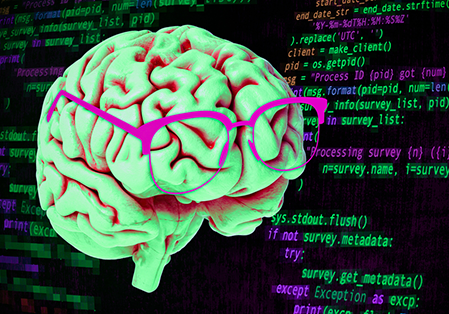
MIT neuroscientists have found that reading computer code does not activate the regions of the brain that are involved in language processing. Instead, it activates a distributed network called the multiple demand network, which is also recruited for complex cognitive tasks such as solving math problems or crossword puzzles.
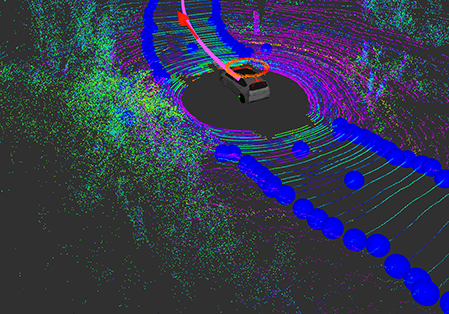
While autonomous cars have gained swift momentum since Leonardo da Vinci’s self-propelled cart circa 1500, the thought of going completely hands-free still feels slightly supernatural. These four-wheelers of the future use a combination of GPS for calculating longitude, latitude, speed, and course to navigate, LiDAR technologies, which use laser light pulses that map surroundings, and machine learning to see and understand -- but to what degree depends on the level of autonomy.
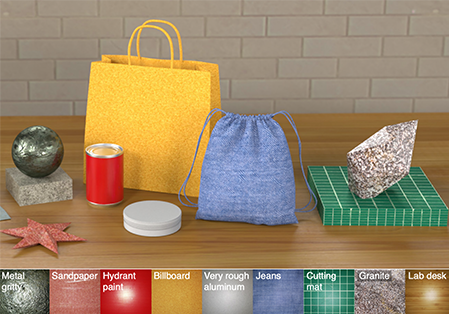
A team led by researchers from MIT’s Computer Science and Artificial Intelligence Lab (CSAIL) has developed an approach that they say can make texturing even less tedious, to the point where you can snap a pic of something you see in a store, and then go recreate the material on your home laptop