This event is hosted by Latimer Futures Summit. The event is at capacity and registration is now closed.
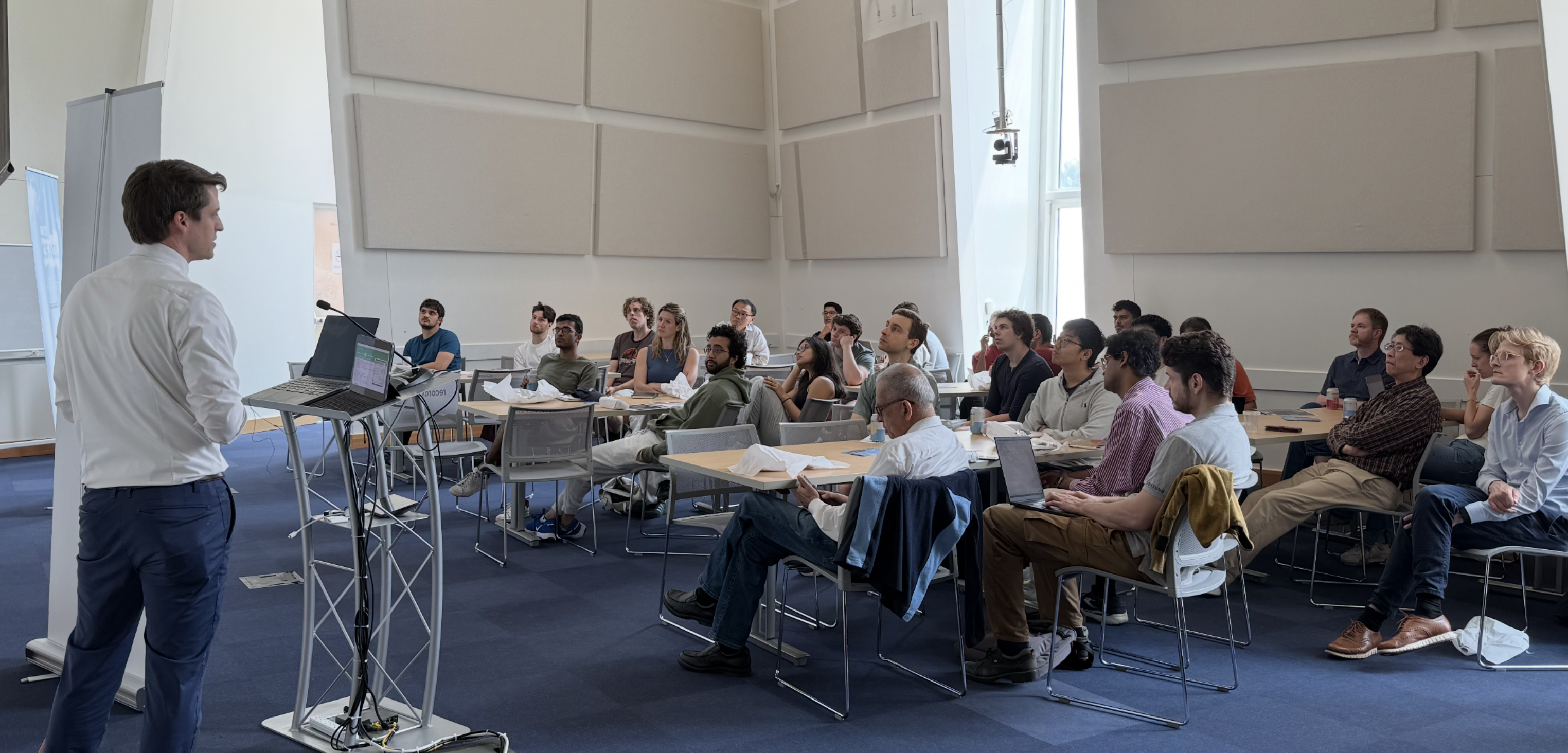
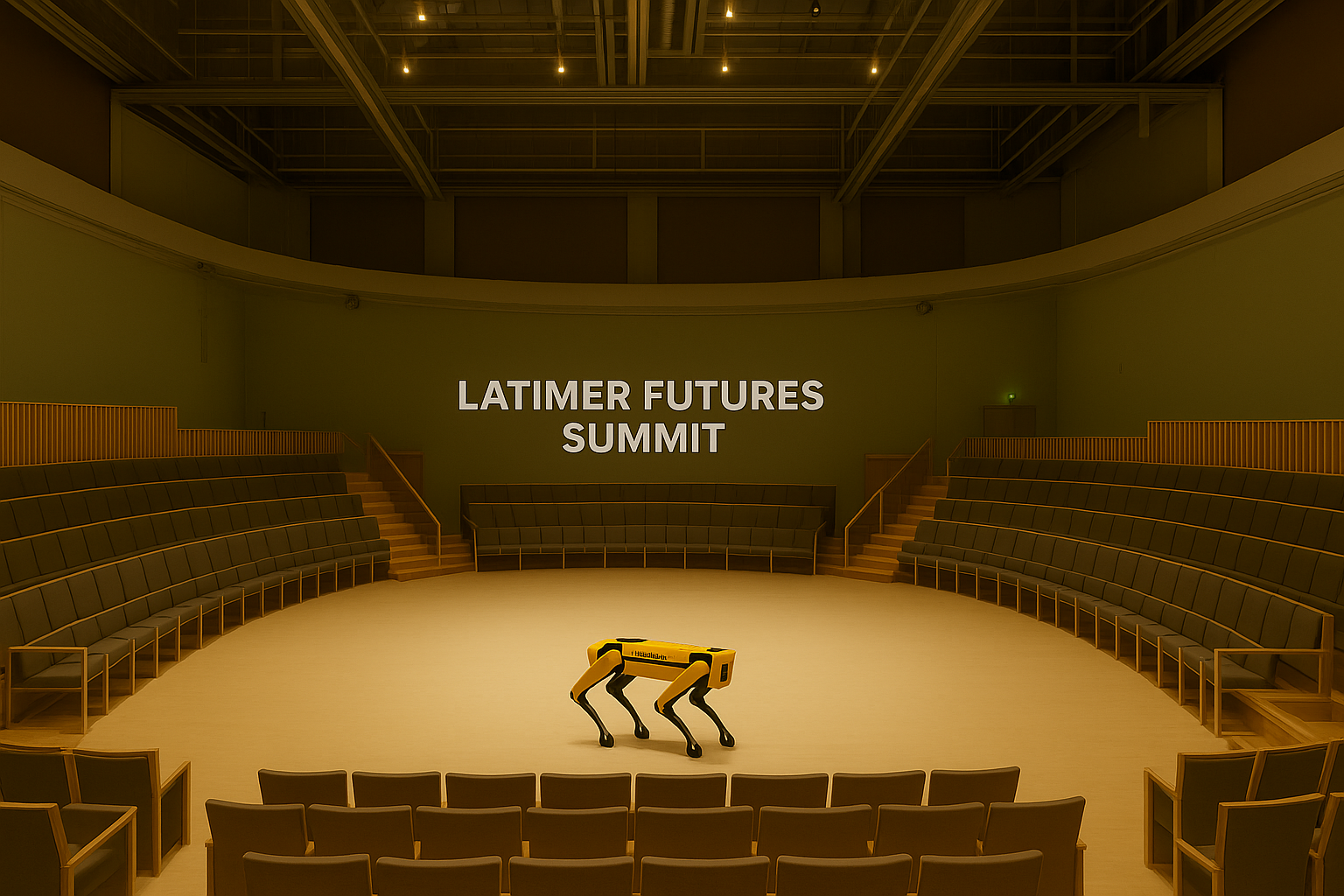
Welcome to the Latimer Futures Summit at MIT! Join us for a day filled with inspiring talks, interactive workshops, and networking opportunities with industry experts. Don't miss this chance to gain valuable insights into the future of technology, innovation, and entrepreneurship. Get ready to be inspired and connect with like-minded individuals shaping the future.
As large language models (LLMs) like ChatGPT continue to advance, user expectations of them keep growing, including with respect to how quickly they can respond to our increasingly intricate prompts requesting answers to ever-challenging problems and tasks.
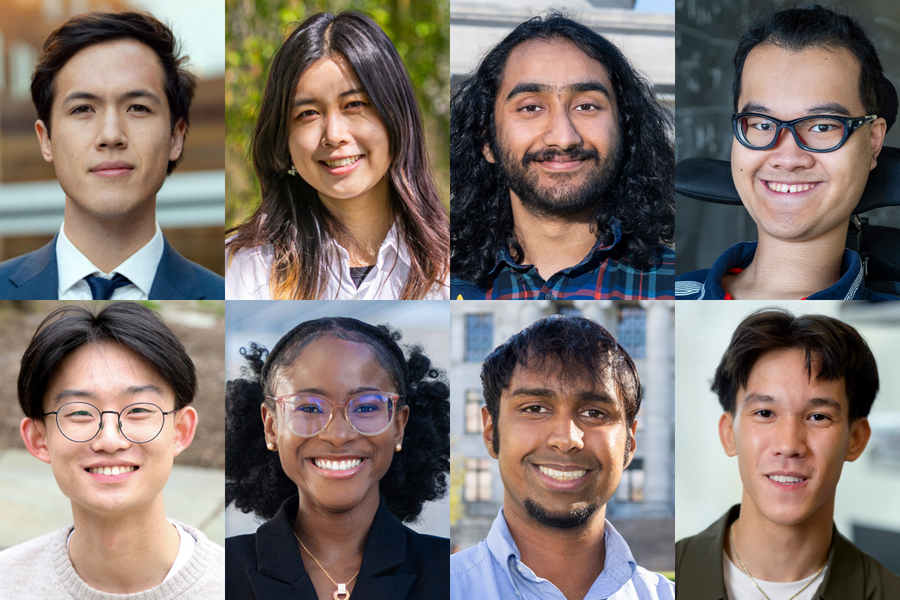
The Hertz Foundation announced that it has awarded fellowships to eight MIT affiliates. The prestigious award provides each recipient with five years of doctoral-level research funding (up to a total of $250,000), which gives them an unusual measure of independence in their graduate work to pursue groundbreaking research.
Programmers can now use large language models (LLMs) to generate computer code more quickly. However, this only makes programmers’ lives easier if that code follows the rules of the programming language and doesn’t cause a computer to crash.
As a college student in Serbia with a passion for math and physics, Ana Trišović found herself drawn to computer science and its practical, problem-solving approaches. It was then that she discovered MIT OpenCourseWare, part of MIT Open Learning, and decided to study a course on Data Analytics with Python in 2012 — something her school didn’t offer.
More than seven years ago, cybersecurity researchers were thoroughly rattled by the discovery of Meltdown and Spectre, two major security vulnerabilities uncovered in the microprocessors found in virtually every computer on the planet.
Many companies invest heavily in hiring talent to create the high-performance library code that underpins modern artificial intelligence systems. NVIDIA, for instance, developed some of the most advanced high-performance computing (HPC) libraries, creating a competitive moat that has proven difficult for others to breach.
This past month Martin Rinard, MIT professor in the Electrical Engineering and Computer Science Department (EECS) and CSAIL principal investigator, received the 2025 Outstanding Research Award from the ACM Special Interest Group on Software Engineering (SIGSOFT). The organization awarded him for his “fundamental contributions in pioneering the new fields of program repair and approximate computing.”
A particular set of probabilistic inference algorithms common in robotics involve Sequential Monte Carlo methods, also known as “particle filtering,” which approximates using repeated random sampling. (“Particle,” in this context, refers to individual samples.) Traditional particle filtering struggles with providing accurate results on complex distributions, giving rise to advanced algorithms such as hybrid particle filtering.