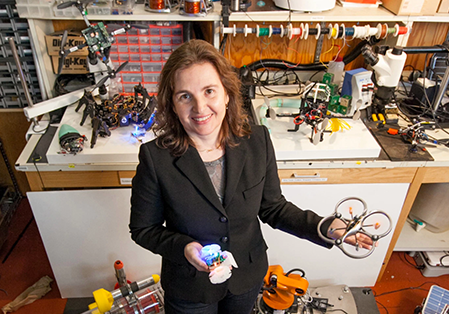
Scientists are moving robots along on that continuum by developing robotic skin that helps them gain the sense of touch. Researchers from Munich to Japan to Boston are currently looking into how to give robots tactile sensation and in some cases, feel pain.
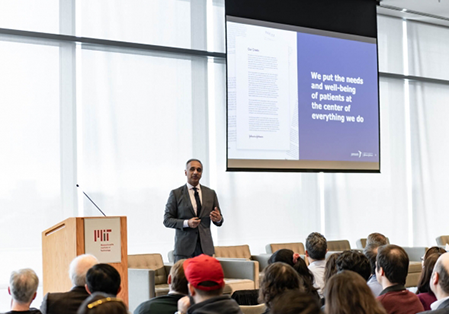
A group of researchers in MIT’s Computer Science and Intelligence Laboratory (CSAIL), working with the MIT spinoff Mobi Systems, are aiming to help level demand across the entire health care network by providing real-time updates of hospital resources, which they hope will help patients, EMTs, and physicians quickly decide which facility is best equipped to handle a new patient at any given time.
Tonya Hall speaks with Dr. Una-May O'Reilly, MIT IBM Watson AI lab, to learn more about the current status of artificial adversarial intelligence and the strengths of adversarial dynamics over model-based malware detectors.
The American Academy of Arts and Sciences (AAAS) announced that MIT professors Ronitt Rubinfeld and Joshua Tenenbaum were among their new 2020 members. The new class of more than 250 members recognizes the outstanding achievements of individuals in academia, the arts, business, government, and public affairs.
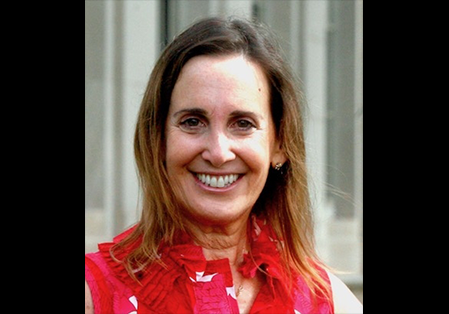
MIT professor Bonnie Berger was elected to the National Academy of Sciences (AAAS) for her “distinguished and continuing achievements in original research.” She joins a new class of 146 members, including 26 internationally.
Developing drugs to combat Covid-19 is a global priority, requiring communities to come together to fight the spread of infection. At MIT, researchers with backgrounds in machine learning and life sciences are collaborating, sharing datasets and tools to develop machine learning methods that can identify novel cures for Covid-19.
Dr. Gupta covers how telemedicine provides an opportunity for better, faster, and lower cost healthcare. The coronavirus pandemic is causing a sudden growth in the adoption of telehealth services.
It can be hard to keep track of all the numbers, statistics, and charts swirling around the internet -- we’re inundated with information that can be rapidly disseminated and dissected. To carve through some of the sludge, here’s a selected highlight of recent computer science related efforts to fight COVID-19.
A rapidly assembled volunteer team of engineers, physicians, computer scientists, and others, centered at MIT, is working to implement a safe, inexpensive alternative for emergency use, which could be built quickly around the world.
Located on the MIT campus and named for fallen MIT Police Officer Sean Collier, who was killed in the line of duty on April 18, 2013, the center will provide care for members of the MIT community and individuals from the broader Cambridge community.