CSAIL Director & Liquid AI Co-Founder Professor Daniela Rus has been named to the third annual Tech Power Players 50, a list of the most influential – and interesting – people in the New England technology scene, as ranked by The Boston Globe’s business journalists and an external advisory.
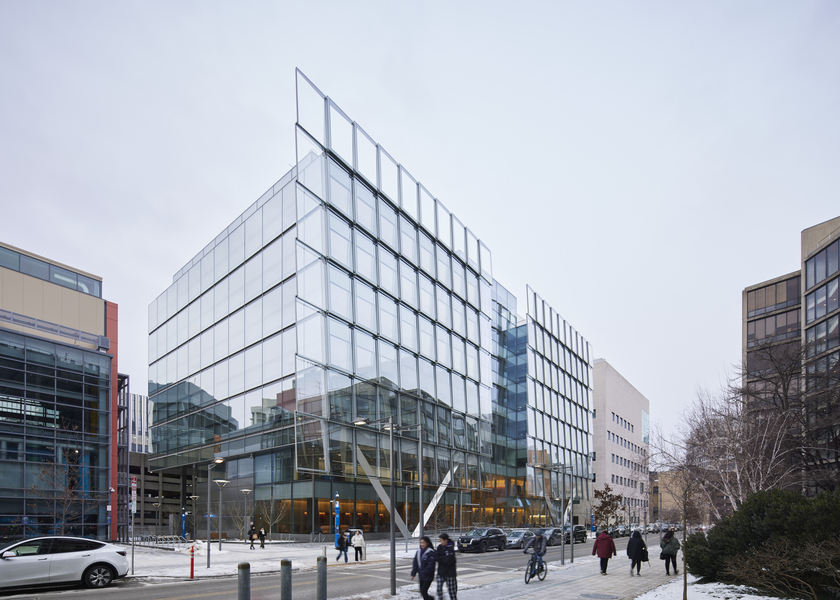
On Vassar Street, in the heart of MIT’s campus, the MIT Stephen A. Schwarzman College of Computing recently opened the doors to its new headquarters in Building 45. The building’s central location and welcoming design will help form a new cluster of connectivity at MIT and enable the space to have a multifaceted role.
A user could ask ChatGPT to write a computer program or summarize an article, and the AI chatbot would likely be able to generate useful code or write a cogent synopsis. However, someone could also ask for instructions to build a bomb, and the chatbot might be able to provide those, too.
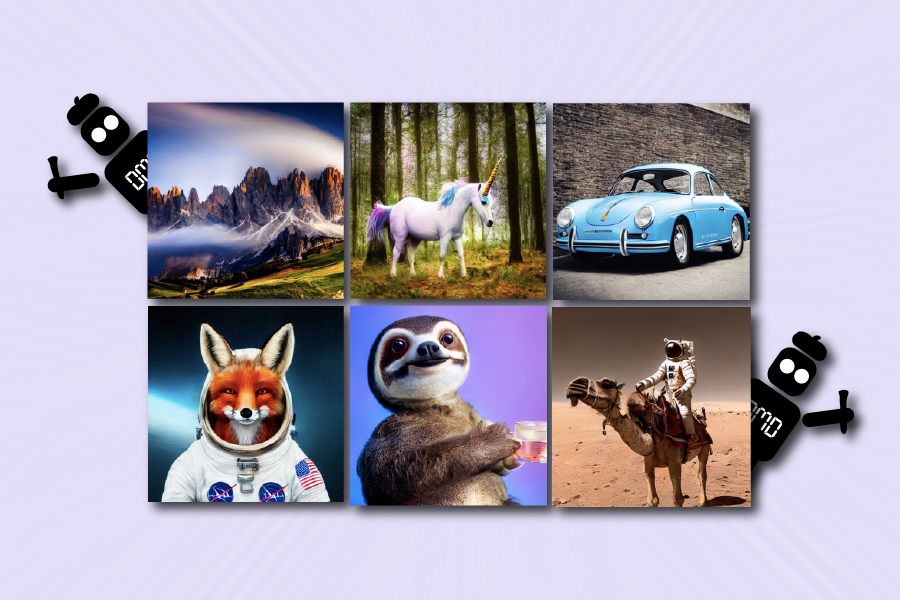
In our current age of artificial intelligence, computers can generate their own “art” by way of diffusion models, iteratively adding structure to a noisy initial state until a clear image or video emerges. Diffusion models have suddenly grabbed a seat at everyone’s table: Enter a few words and experience instantaneous, dopamine-spiking dreamscapes at the intersection of reality and fantasy. Behind the scenes, it involves a complex, time-intensive process requiring numerous iterations for the algorithm to perfect the image.
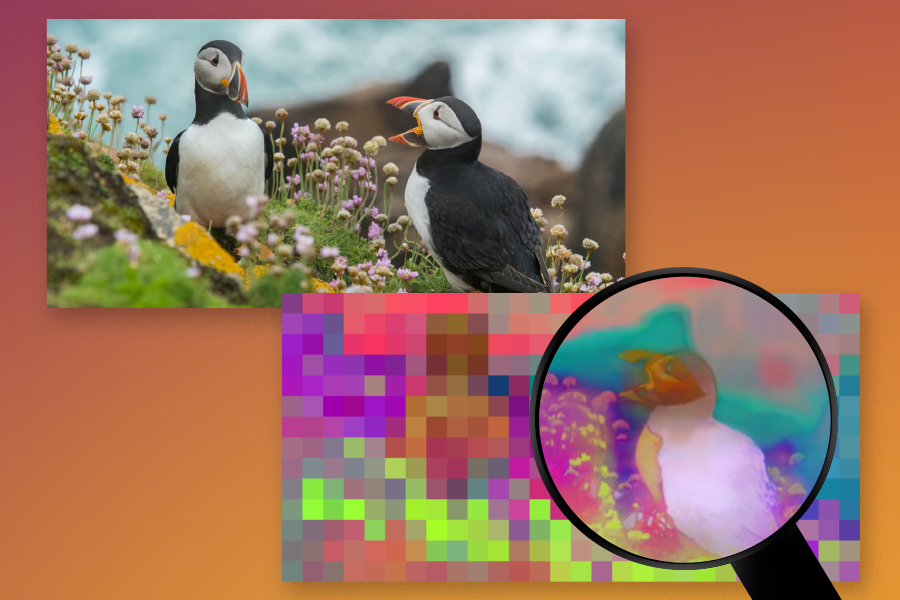
Imagine yourself glancing at a busy street for a few moments, then trying to sketch the scene you saw from memory. Most people could draw the rough positions of the major objects like cars, people, and crosswalks, but almost no one can draw every detail with pixel-perfect accuracy. The same is true for most modern computer vision algorithms: They are fantastic at capturing high-level details of a scene, but they lose fine-grained details as they process information.
Artists who bring to life heroes and villains in animated movies and video games could have more control over their animations, thanks to a new technique introduced by MIT researchers.
MIT EECS professor Jonathan Ragan-Kelley received ACM SIGGRAPH'S 2021 Significant New Researcher Award, for his “outstanding contributions to systems and compilers in rendering and computational photography,” according to ACM’s press release.
The national dialogue on race has progressed powerfully and painfully in the past year, and issues of racial bias in the news have become ubiquitous. However, for over a decade, researchers from MIT’s Imagination, Computation, and Expression Laboratory (ICE Lab) have been developing systems to model, simulate, and analyze such issues of identity.