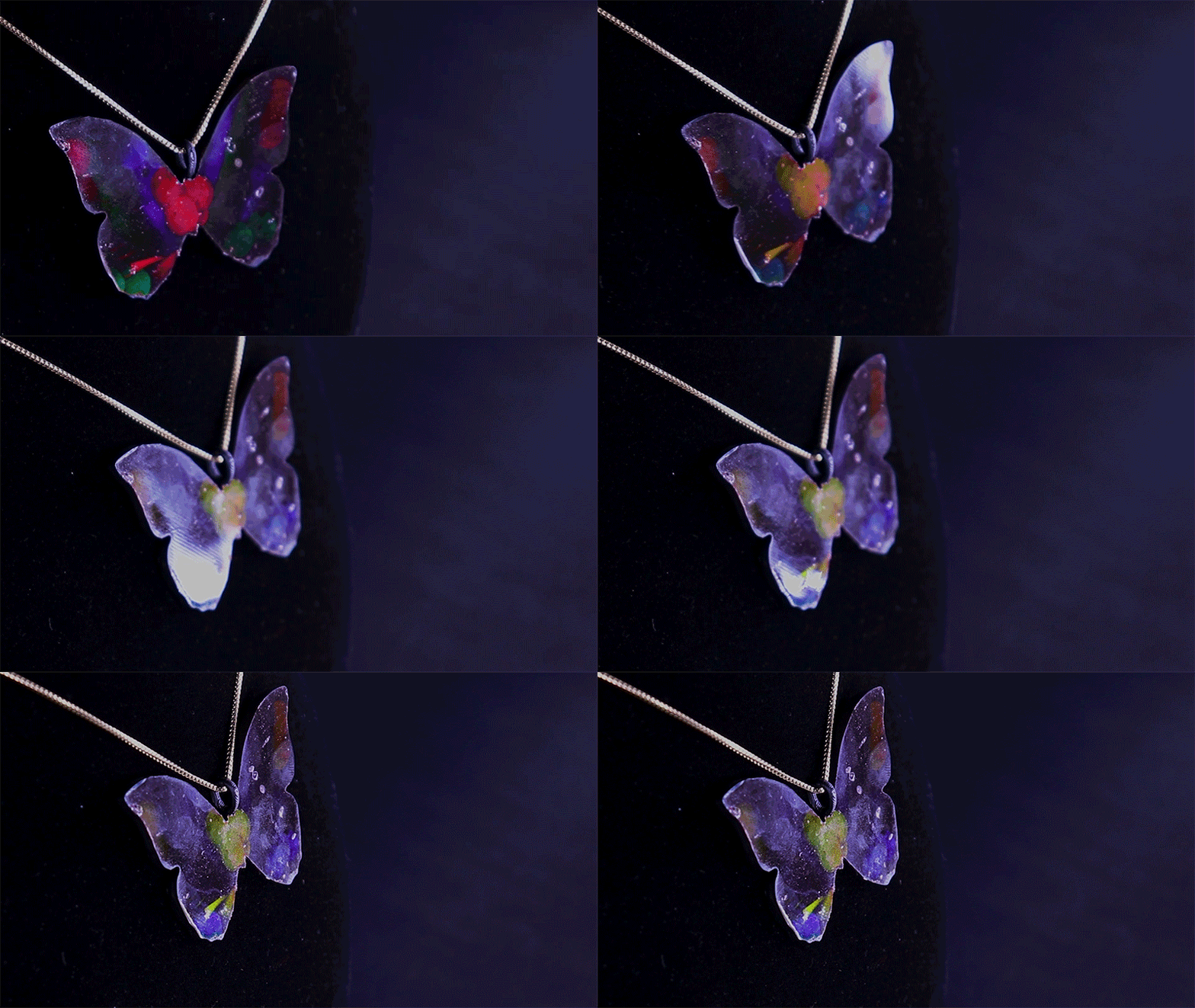
Gemstones like precious opal are beautiful to look at and deceivingly complex. As you look at such gems from different angles, you’ll see a variety of tints glisten, causing you to question what color the rock actually is. It’s iridescent thanks to something called structural color — microscopic structures that reflect light to produce radiant hues.
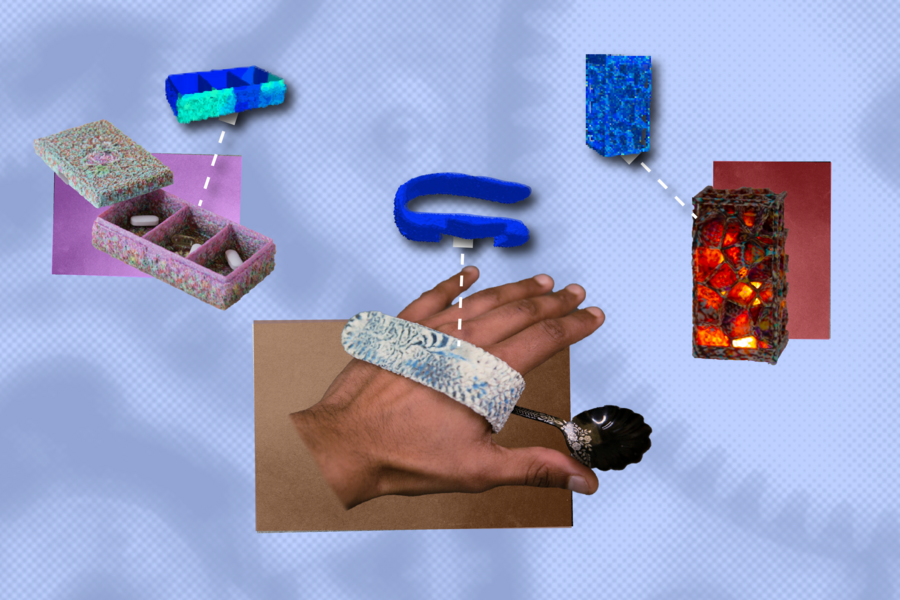
Generative artificial intelligence models have left such an indelible impact on digital content creation that it’s getting harder to recall what the internet was like before it. You can call on these AI tools for clever projects such as videos and photos — but their flair for the creative hasn’t quite crossed over into the physical world just yet.
To innovate as a technologist, you need to be a polyglot—fluent in multiple languages of problem-solving, able to synthesize ideas across domains, reframing puzzles to visualize different outcomes, and revealing the questions that have yet to be asked.
In an MIT classroom, a professor lectures while students diligently write down notes they will reread later to study and internalize key information ahead of an exam.
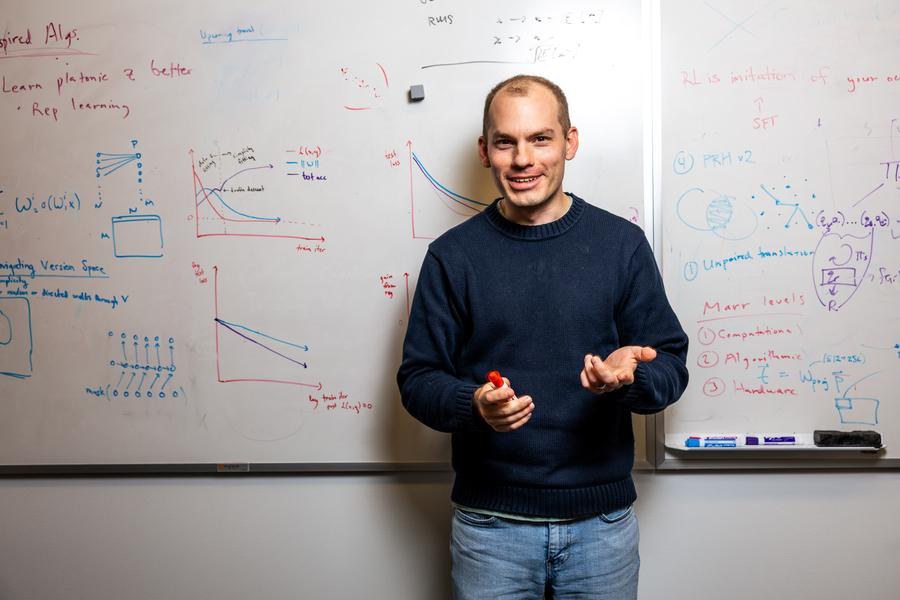
What can we learn about human intelligence by studying how machines “think?” Can we better understand ourselves if we better understand the artificial intelligence systems that are becoming a more significant part of our everyday lives?
The CSAIL Forum event series is hosted by Professor Daniela Rus, CSAIL Director. This virtual series was created to inspire conversation, share insights, and shape the future of computer science and artificial intelligence. Registration is required. See past forum recordings and learn more here
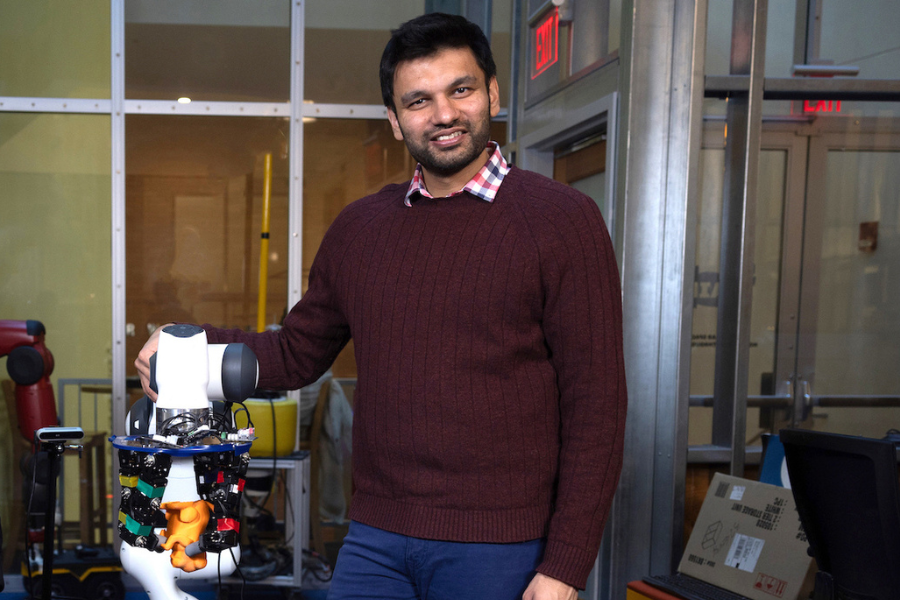
Pulkit Agrawal, MIT EECS Associate Professor and CSAIL principal investigator, has received the Toshio Fukuda Young Professional Award from the IEEE/RSJ International Conference on Intelligent Robots and Systems (IROS) for his work in “robot learning, self-supervised and sim-to-real policy learning, agile locomotion, and dexterous manipulation,” according to the organization.
The degree to which someone trusts the information depicted in a chart can depend on their assumptions about who made the data visualization, according to a pair of studies by MIT researchers.
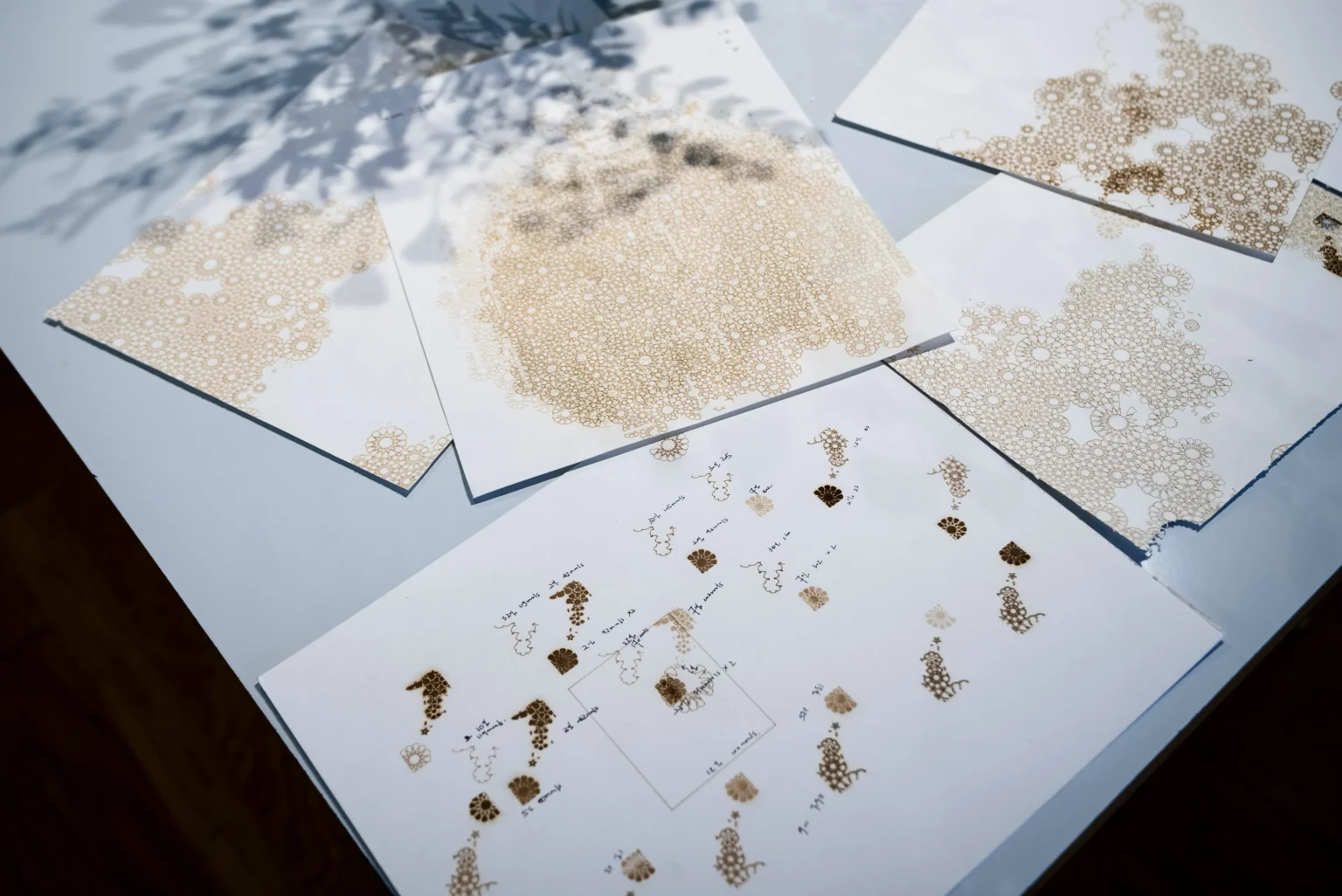
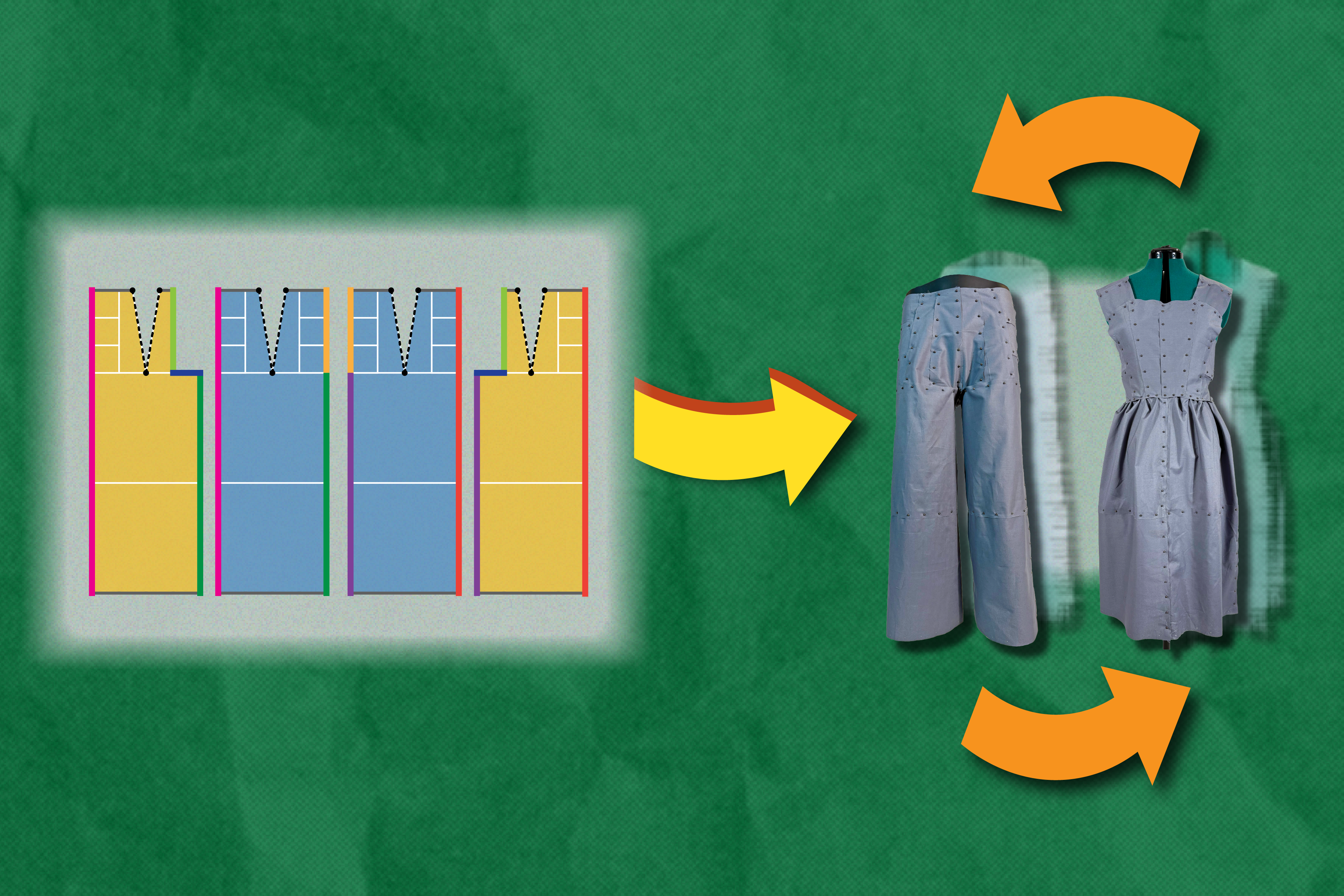
It’s hard to keep up with the ever-changing trends of the fashion world. What’s “in” one minute is often out of style the next season, potentially causing you to re-evaluate your wardrobe.
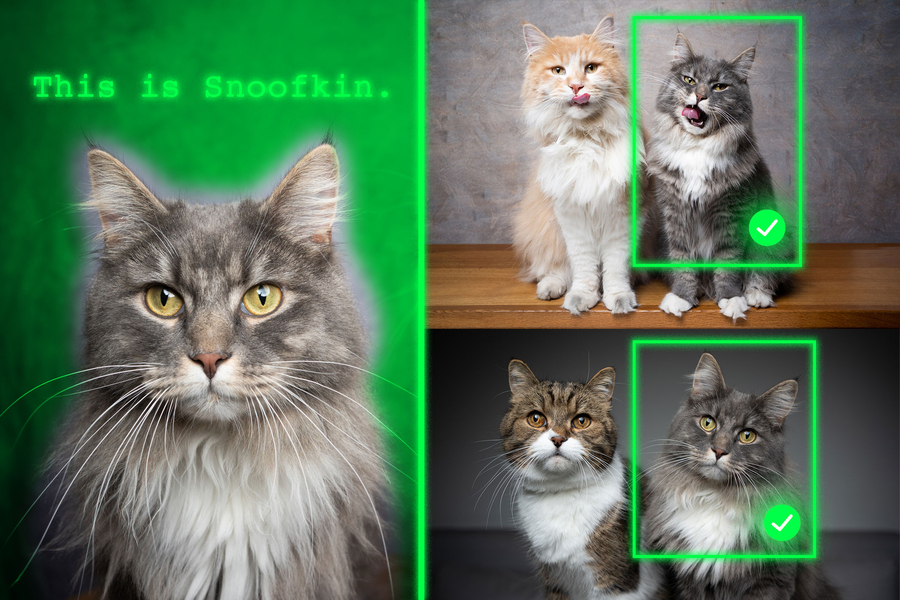
Say a person takes their French Bulldog, Bowser, to the dog park. Identifying Bowser as he plays among the other canines is easy for the dog-owner to do while onsite.