Six current MIT affiliates and 27 additional MIT alumni have been elected as fellows of the American Association for the Advancement of Science (AAAS).
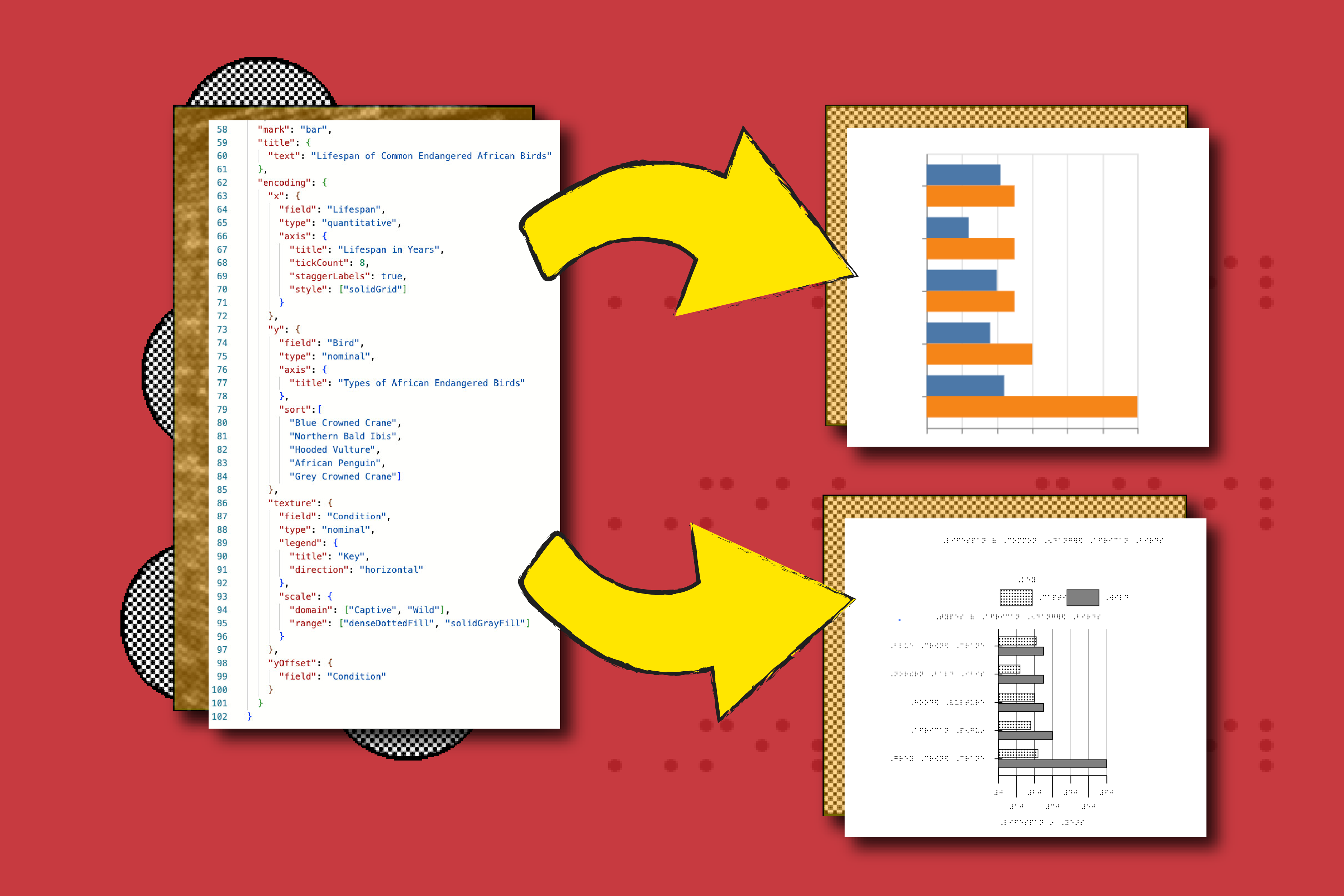
Bar graphs and other charts provide a simple way to communicate data, but are, by definition, difficult to translate for readers who are blind or low-vision.
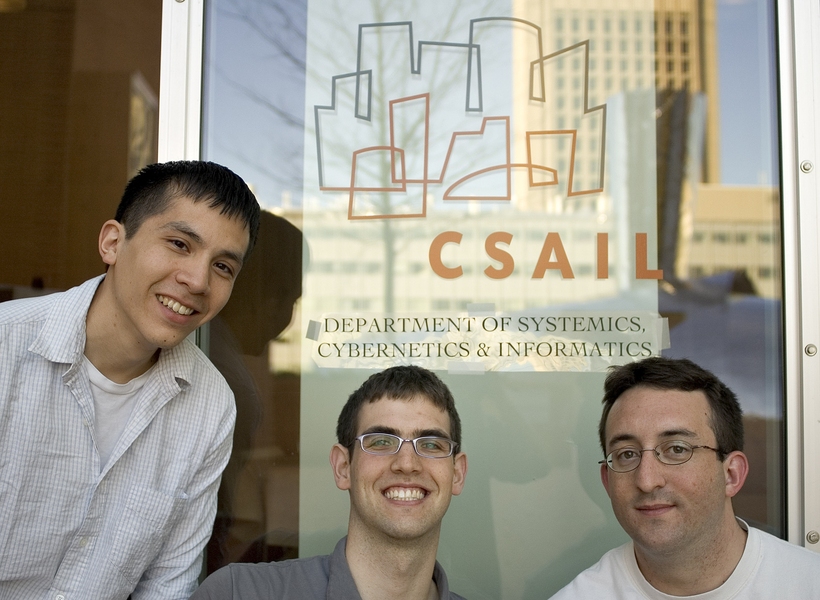
20 years ago in a pre-ChatGPT world, a fake-paper generator created by 3 MIT kids fooled a major conference so badly that they had to completely reconfigure their reviewing practices.
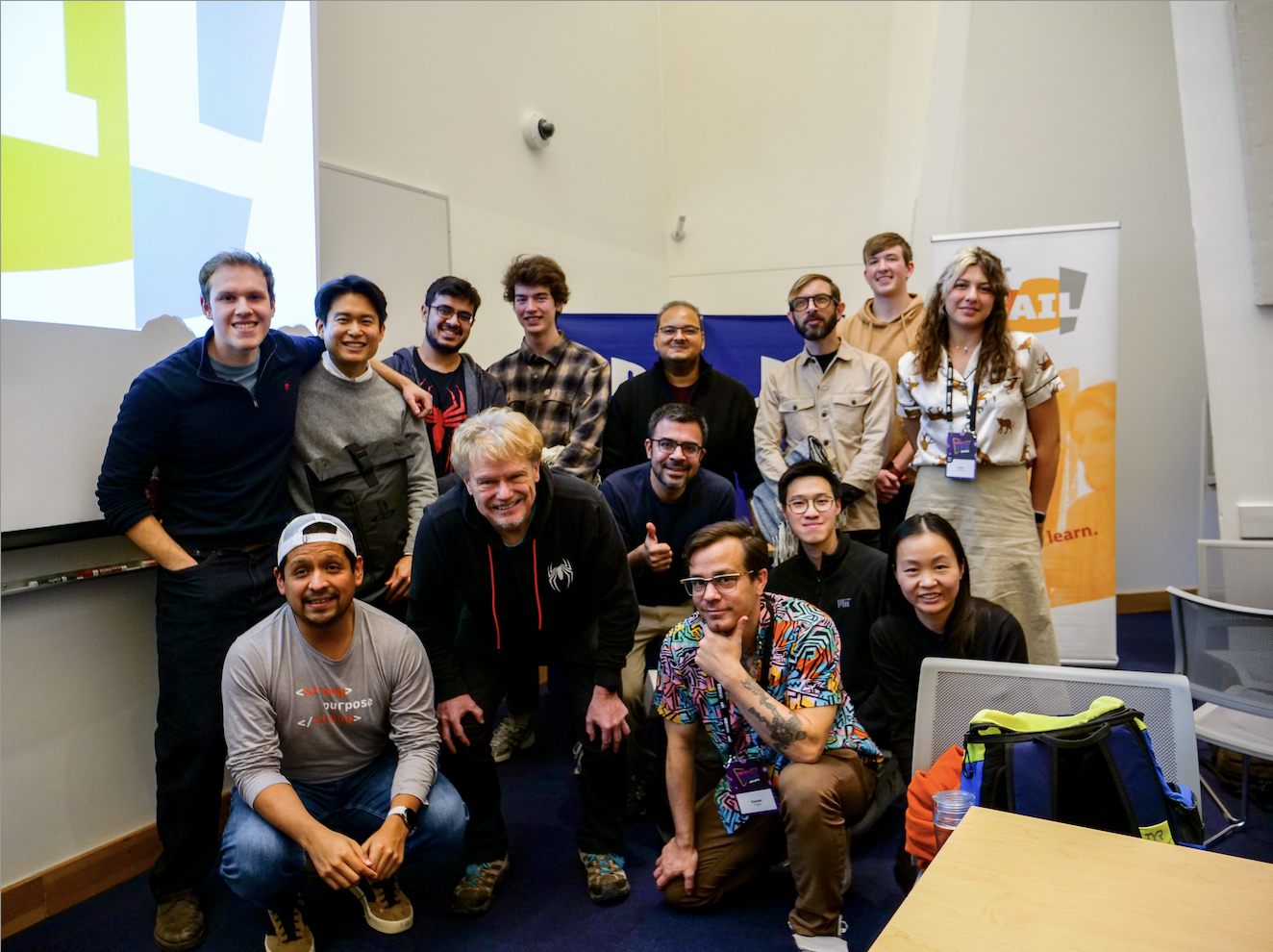
CSAIL Alliances Affiliate Member Sony Interactive Entertainment (SIE) hosted a January 2025 IAP course, “The Nexus of Games and AI.” Designed to “introduce students to game creation, current game-related research, and an exploration of the technology, the art, and the fun of video games,” this course allowed SIE to engage with a broad range of students, meet CSAIL faculty, and deepen their connection to MIT CSAIL.
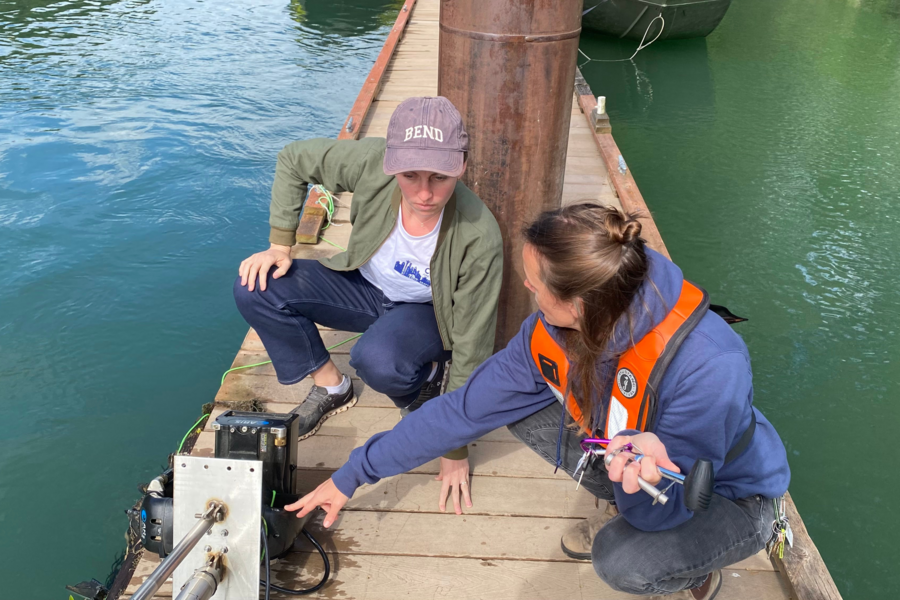
Sara Beery came to MIT as an assistant professor in MIT’s Department of Electrical Engineering and Computer Science (EECS) eager to focus on ecological challenges. She has fashioned her research career around the opportunity to apply her expertise in computer vision, machine learning, and data science to tackle real-world issues in conservation and sustainability. Beery was drawn to the Institute’s commitment to “computing for the planet,” and set out to bring her methods to global-scale environmental and biodiversity monitoring.
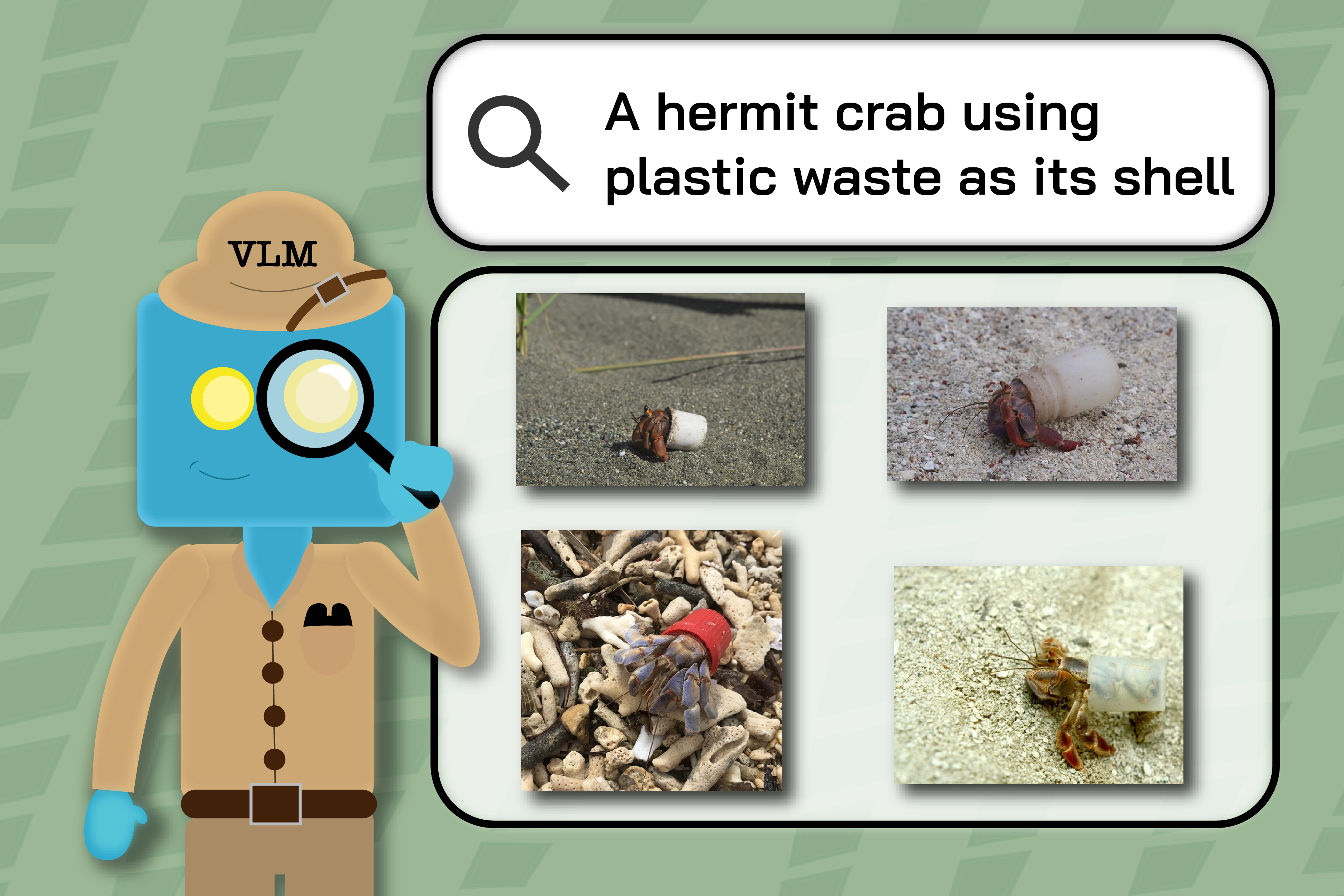
Try taking a picture of each of North America's roughly 11,000 tree species, and you’ll have a mere fraction of the millions of photos within nature image datasets. These massive collections of snapshots — ranging from butterflies to humpback whales — are a great research tool for ecologists because they provide evidence of organisms’ unique behaviors, rare conditions, migration patterns, and responses to pollution and other forms of climate change.
Sara Beery, Marzyeh Ghassemi, and Yoon Kim, EECS faculty and CSAIL principal investigators, were awarded AI2050 Early Career Fellowships earlier this week for their pursuit of “bold and ambitious work on hard problems in AI.” They received this honor from Schmidt Futures, Eric and Wendy Schmidt’s philanthropic initiative that aims to accelerate scientific innovation.
Whether you’re describing the sound of your faulty car engine or meowing like your neighbor’s cat, imitating sounds with your voice can be a helpful way to relay a concept when words don’t do the trick.
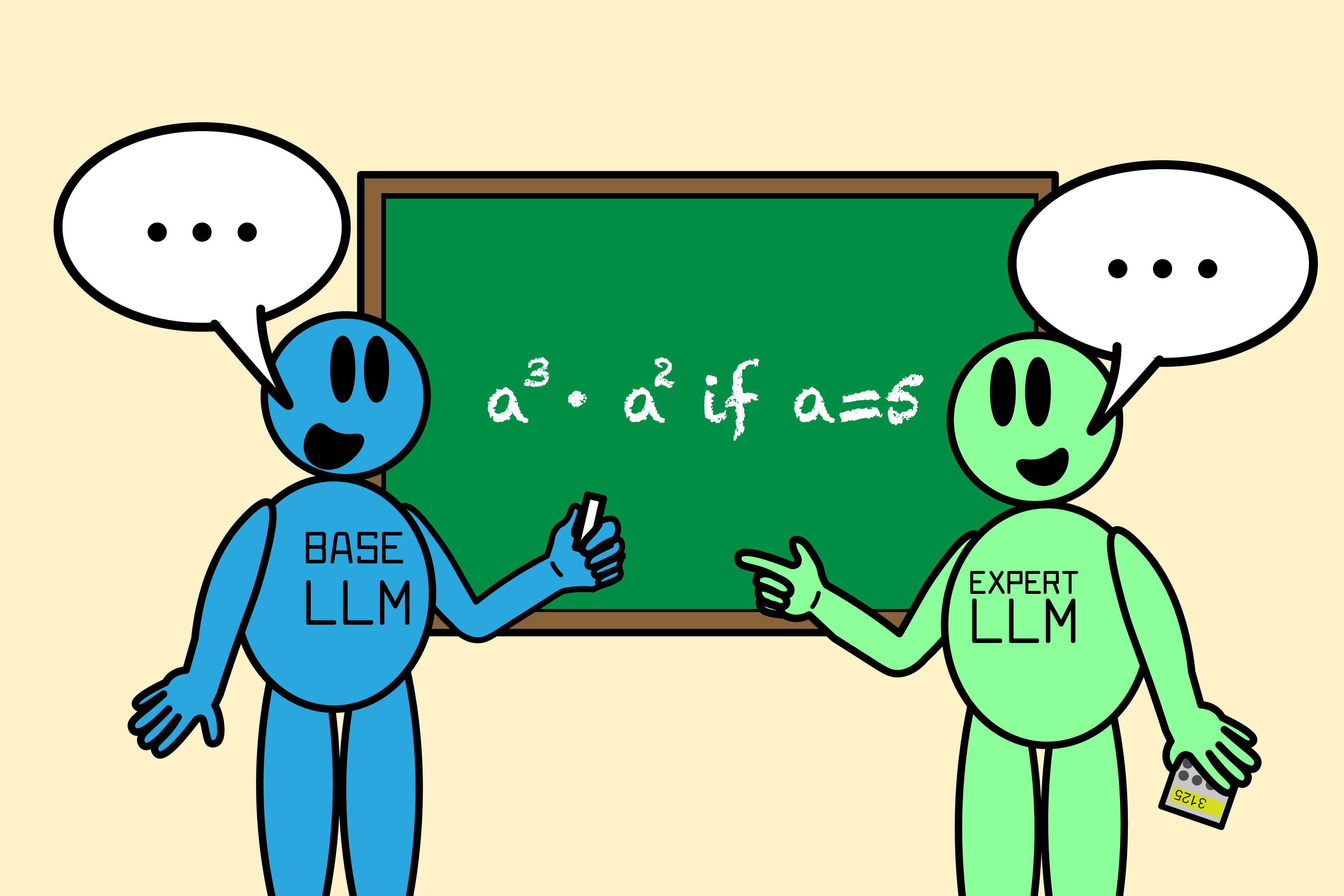
Ever been asked a question you only knew part of the answer to? To give a more informed response, your best move would be to phone a friend with more knowledge on the subject.