In an MIT classroom, a professor lectures while students diligently write down notes they will reread later to study and internalize key information ahead of an exam.
What can we learn about human intelligence by studying how machines “think?” Can we better understand ourselves if we better understand the artificial intelligence systems that are becoming a more significant part of our everyday lives?
Hal Abelson, MIT Class of 1922 Professor and CSAIL principal investigator, has received the 2025 Lifetime Achievement Award for Excellence from Open Education Global for helping make information technology more accessible worldwide. “Hal Abelson’s work promotes knowledge of all forms as a public good,” notes the organization in a public statement. “Hal’s work has focused on communities working together to advance and support knowledge.”
The degree to which someone trusts the information depicted in a chart can depend on their assumptions about who made the data visualization, according to a pair of studies by MIT researchers.
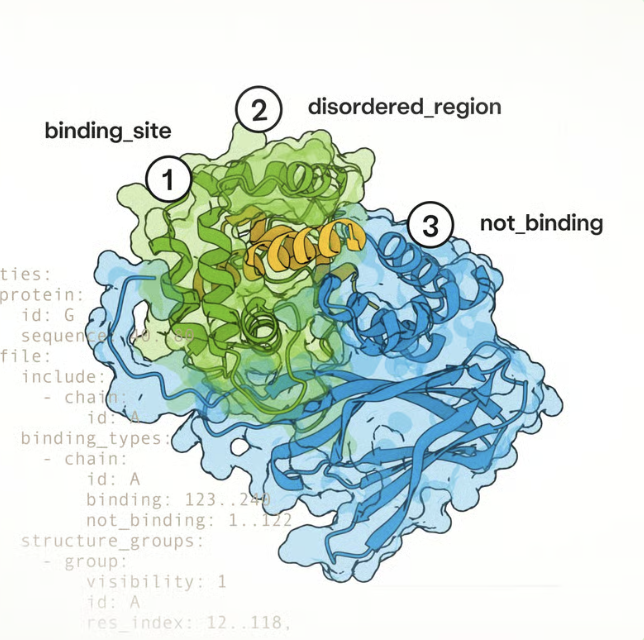
BoltzGen, a new open-source tool designed by MIT researchers, officially launched on October 26. It is a new generative model for designing protein and peptides of any modality to bind a wide range of biomolecular targets. The researchers are offering a live, in-person presentation with demos and discussion–register today!
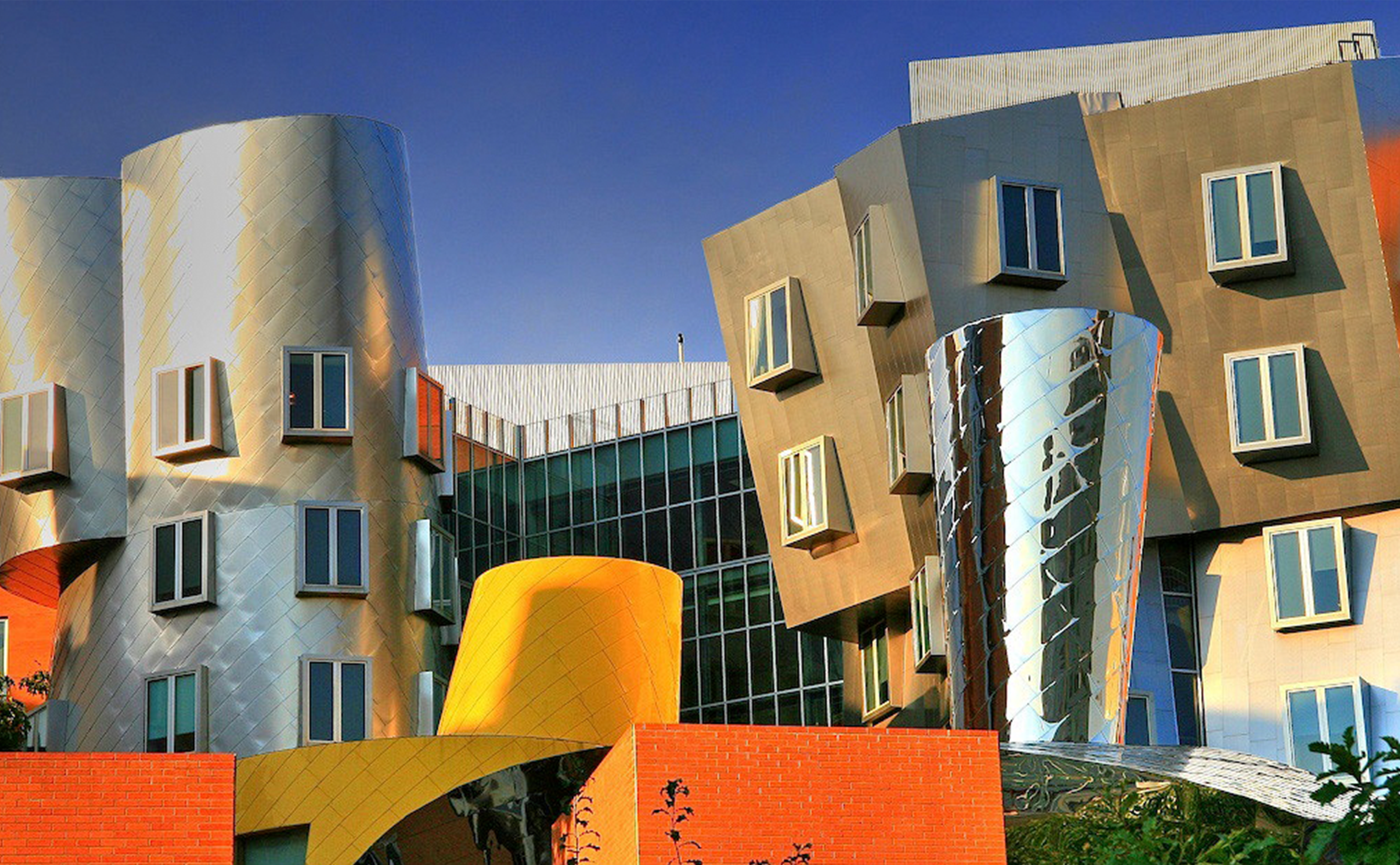
Join the BoltzGen in MIT’s Stata Center, room 32-123, as they share details of the new model BoltzGen and discuss the future of biomolecular design 🧬
Thank you for your interest in joining us for our upcoming VC Breakfast—this event is limited to members of CSAIL, our CSAIL Alliances members, and selected guests from the MIT community as space permits.
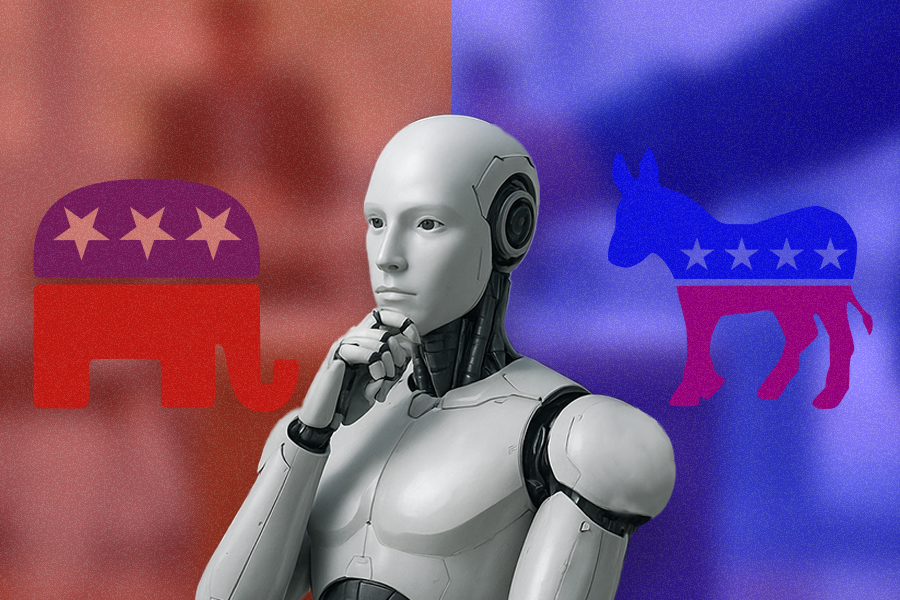
In the months leading up to the 2024 U.S. presidential election, a team of researchers at MIT CSAIL, MIT Sloan, MIT LIDS, set out to answer a question no one had fully explored: how do large language models (LLMs) respond to questions about the election? Over four months, from July through November, the team ran nearly daily queries across 12 state-of-the-art models on more than 12,000 carefully constructed prompts, generating a dataset with over 16 million responses from LLMs, to help answer this question.
The Quant-essential Qualities: Insider Insights for Thriving in Algorithmic Trading
Abstract: The world of quantitative trading is notoriously siloed, secretive, and intensely competitive. In this talk, Hanna and Dan will offer an insider's perspective on quant trading, sharing insights from our firm, and outline the key qualities you can cultivate to excel in the industry.
CSAIL Alliances & FinTechAI@CSAIL Board Member Royal Bank of Canada (RBC) Borealis AI Group will be at CSAIL on 9/22 in Kiva to deliver a technical talk from Dr. Greg Mori as well as connect with interested students for job opportunities.
Talk Title: Foundation Model Challenges and Opportunities in Financial Services
Monday 9/22 in Kiva 32-G449 12-1pm EST. Food will be served so please register for accurate food order!