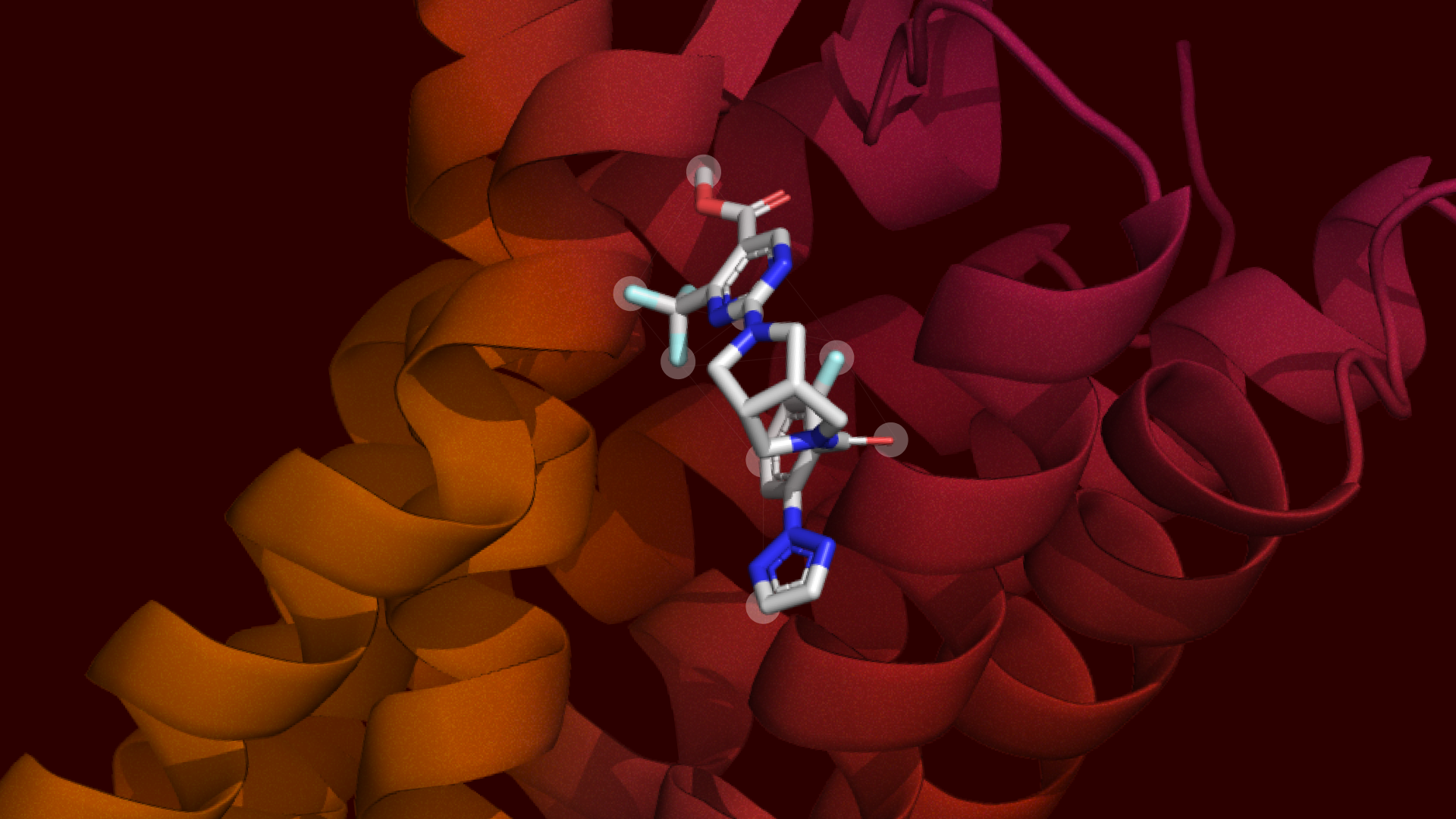
Understanding how molecules interact is central to biology: from decoding how living organisms function to uncovering disease mechanisms and developing life-saving drugs. In recent years, models like AlphaFold changed our ability to predict the 3D structure of proteins, offering crucial insights into molecular shape and interaction. But while AlphaFold could show how molecules fit together, it couldn’t measure how strongly they bind — a key factor in understanding all aforementioned. That missing piece is where MIT’s new AI model, Boltz-2, comes in.
Programmers can now use large language models (LLMs) to generate computer code more quickly. However, this only makes programmers’ lives easier if that code follows the rules of the programming language and doesn’t cause a computer to crash.
When visual information enters the brain, it travels through two pathways that process different aspects of the input. For decades, scientists have hypothesized that one of these pathways, the ventral visual stream, is responsible for recognizing objects, and that it might have been optimized by evolution to do just that.
The process of discovering molecules that have the properties needed to create new medicines and materials is cumbersome and expensive, consuming vast computational resources and months of human labor to narrow down the enormous space of potential candidates.
Proteins are the workhorses that keep our cells running, and there are many thousands of types of proteins in our cells, each performing a specialized function. Researchers have long known that the structure of a protein determines what it can do.
"The net effect [of DeepSeek] should be to significantly increase the pace of AI development, since the secrets are being let out and the models are now cheaper and easier to train by more people." ~ Associate Professor Phillip Isola
As the capabilities of generative AI models have grown, you've probably seen how they can transform simple text prompts into hyperrealistic images and even extended video clips.
By adapting artificial intelligence models known as large language models, researchers have made great progress in their ability to predict a protein’s structure from its sequence. However, this approach hasn’t been as successful for antibodies, in part because of the hypervariability seen in this type of protein.
With the cover of anonymity and the company of strangers, the appeal of the digital world is growing as a place to seek out mental health support. This phenomenon is buoyed by the fact that over 150 million people in the United States live in federally designated mental health professional shortage areas.