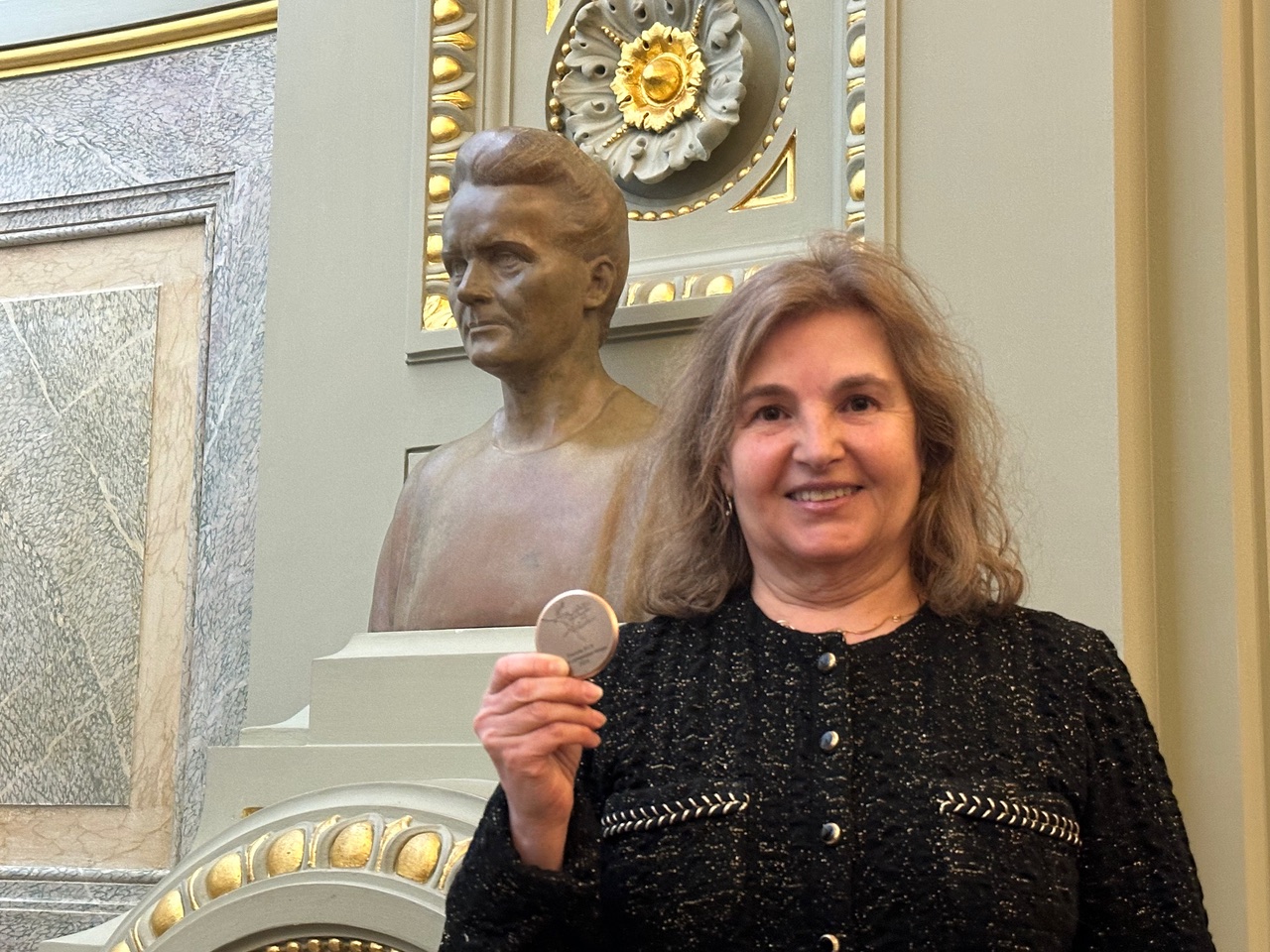
Daniela Rus, a distinguished computer scientist and professor at the Massachusetts Institute of Technology (MIT), has been honored with induction into the prestigious Académie Nationale de Médecine (ANM) as a foreign member on January 7, 2025. As the Director of MIT's Computer Science and Artificial Intelligence Laboratory (CSAIL), Daniela leads over 1,700 researchers in pioneering innovations to advance computing and improve global well-being.
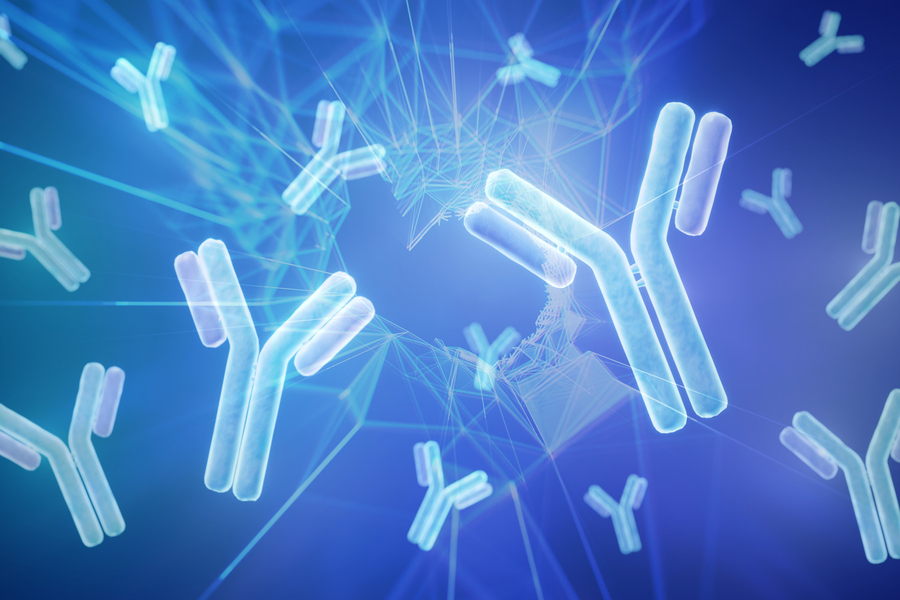
By adapting artificial intelligence models known as large language models, researchers have made great progress in their ability to predict a protein’s structure from its sequence. However, this approach hasn’t been as successful for antibodies, in part because of the hypervariability seen in this type of protein.
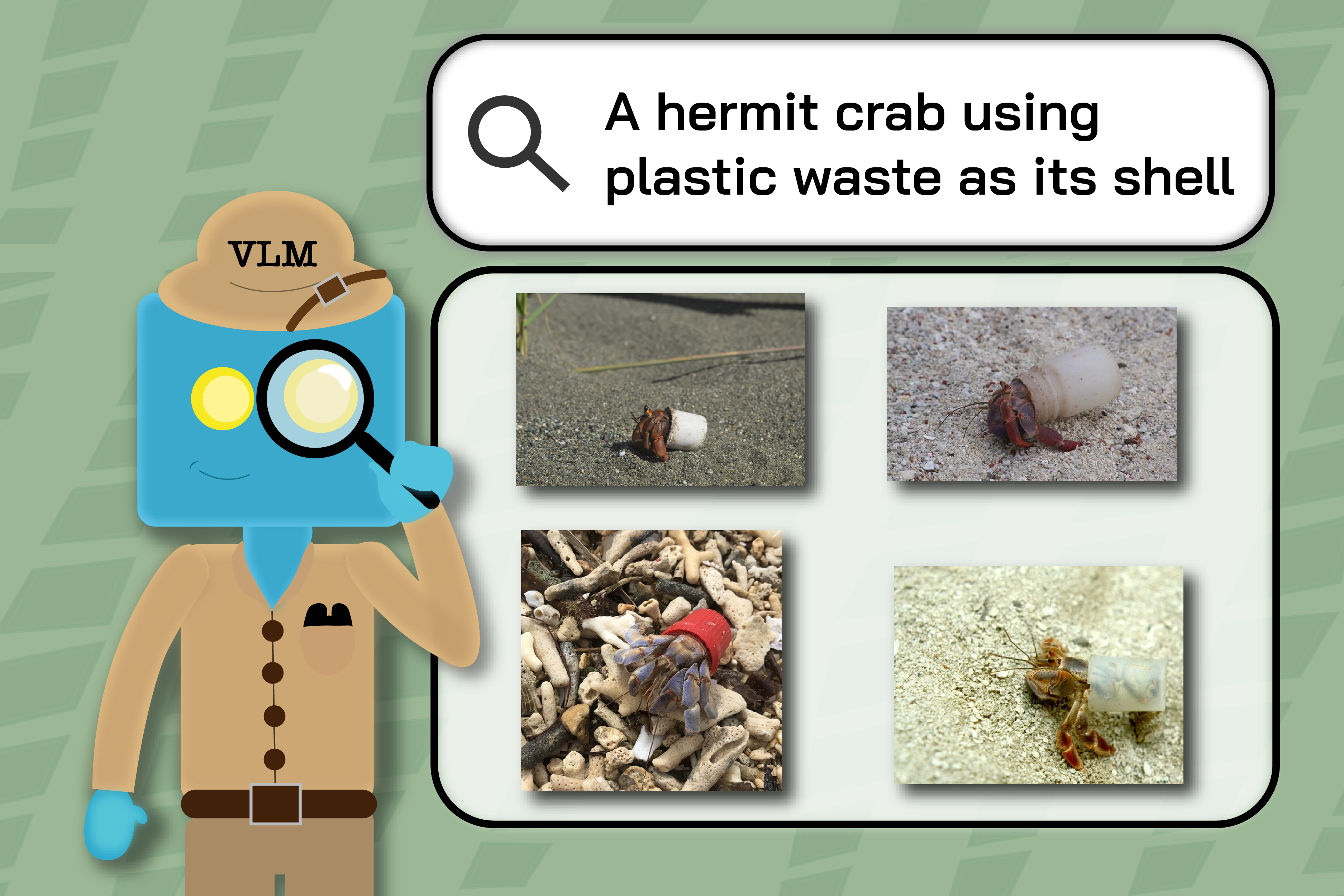
Try taking a picture of each of North America's roughly 11,000 tree species, and you’ll have a mere fraction of the millions of photos within nature image datasets. These massive collections of snapshots — ranging from butterflies to humpback whales — are a great research tool for ecologists because they provide evidence of organisms’ unique behaviors, rare conditions, migration patterns, and responses to pollution and other forms of climate change.
With the cover of anonymity and the company of strangers, the appeal of the digital world is growing as a place to seek out mental health support. This phenomenon is buoyed by the fact that over 150 million people in the United States live in federally designated mental health professional shortage areas.
One might argue that one of the primary duties of a physician is to constantly evaluate and re-evaluate the odds: What are the chances of a medical procedure’s success? Is the patient at risk of developing severe symptoms? When should the patient return for more testing? Amidst these critical deliberations, the rise of artificial intelligence promises to reduce risk in clinical settings and help physicians prioritize the care of high-risk patients.
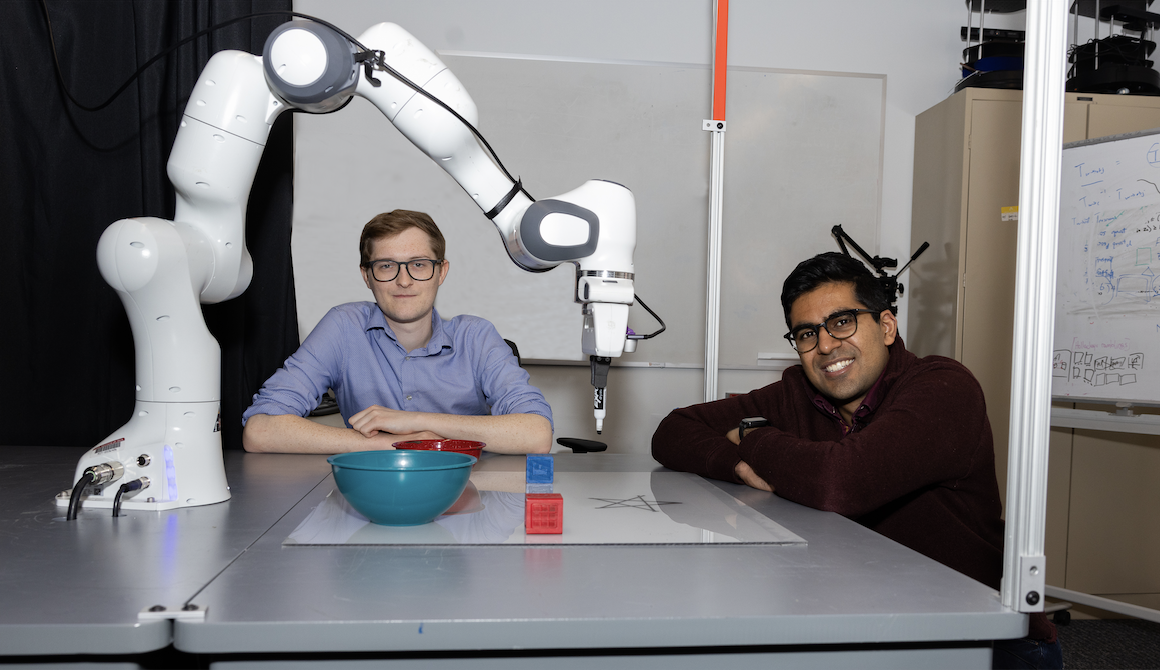
If someone advises you to “Know your limits,” they’re likely suggesting you do things like exercise in moderation. To a robot, though, the motto represents learning constraints, or limitations of a specific task within the machine’s environment, to do chores safely and correctly.
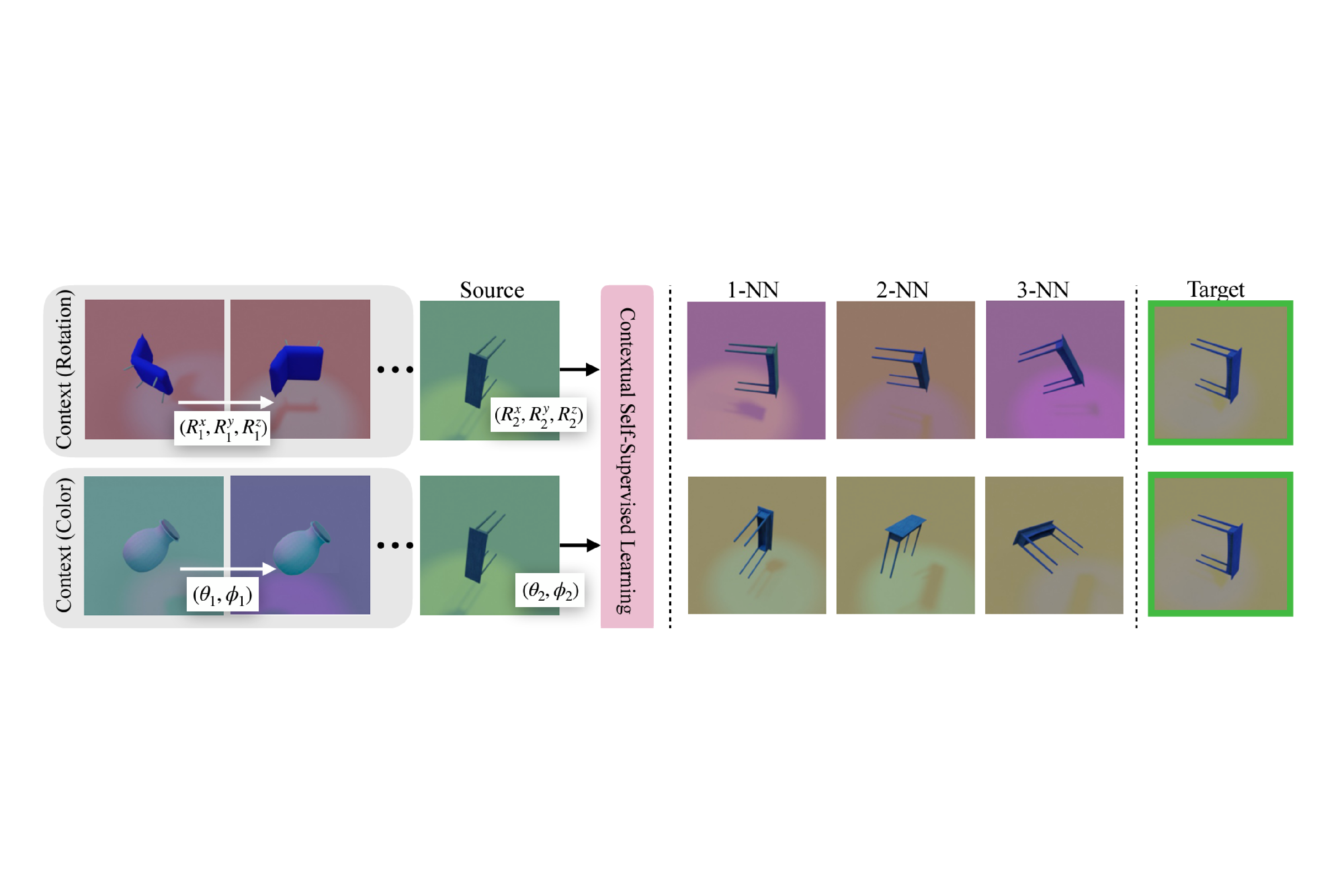
The field of machine learning is traditionally divided into two main categories: “supervised” and “unsupervised” learning. In supervised learning, algorithms are trained on labeled data, where each input is paired with its corresponding output, providing the algorithm with clear guidance. In contrast, unsupervised learning relies solely on input data, requiring the algorithm to uncover patterns or structures without any labeled outputs.
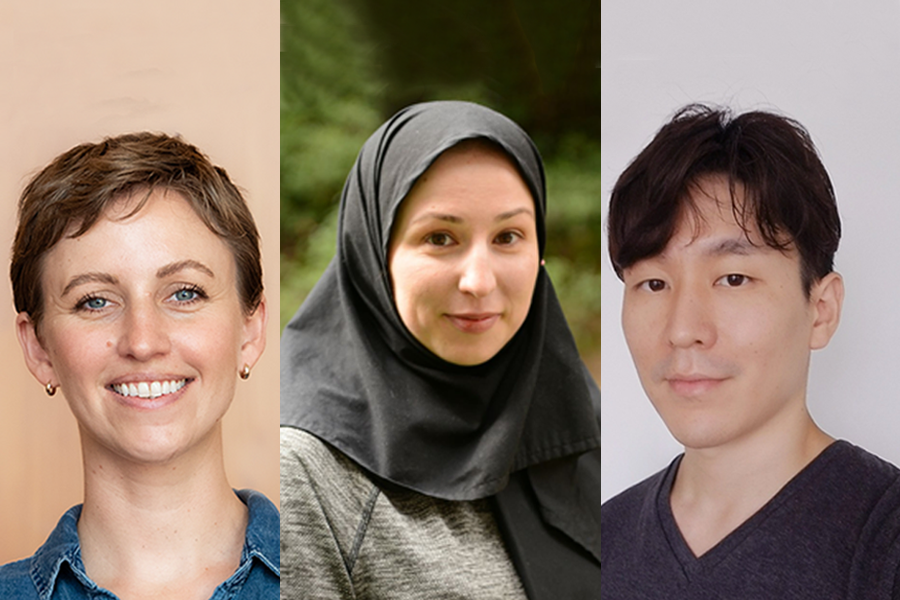
Sara Beery, Marzyeh Ghassemi, and Yoon Kim, EECS faculty and CSAIL principal investigators, were awarded AI2050 Early Career Fellowships earlier this week for their pursuit of “bold and ambitious work on hard problems in AI.” They received this honor from Schmidt Futures, Eric and Wendy Schmidt’s philanthropic initiative that aims to accelerate scientific innovation.