What happens when the team behind PlayStation meets the researchers pushing the boundaries of AI? You get The Nexus of Games and AI, a 12-part MIT Independent Activities Period (IAP) course, now available to stream.
AI models are proliferating fast. There’s Claude, ChatGPT, Gemini, Copilot, DeepSeek, Grok, Mistral, Llama, and many more emerging every day. But which ones to work with? And why? We asked MIT CSAIL faculty and students which AI tools they’re reaching for right now. The responses showed a variety of preferences, a clear winner in one area, and a word of caution about what goes into any public model’s memory.
Anthropic CEO Dario Amodei has said that AI could surpass “almost all humans at almost everything” shortly after 2027. While AI’s capabilities are certainly improving, such rapid progress might seem at odds with findings that show AI is still failing at 95%+ of remote freelance projects, and continues to struggle with hallucination, long term planning, and forms of abstract reasoning that humans find easy. But recent work from METR has found evidence that LLMs can gain capabilities in rapid surges — jumping from succeeding almost never to almost always in just a few years. If this is true across the economy, it could mean that workers could be blindsided by AI advances.
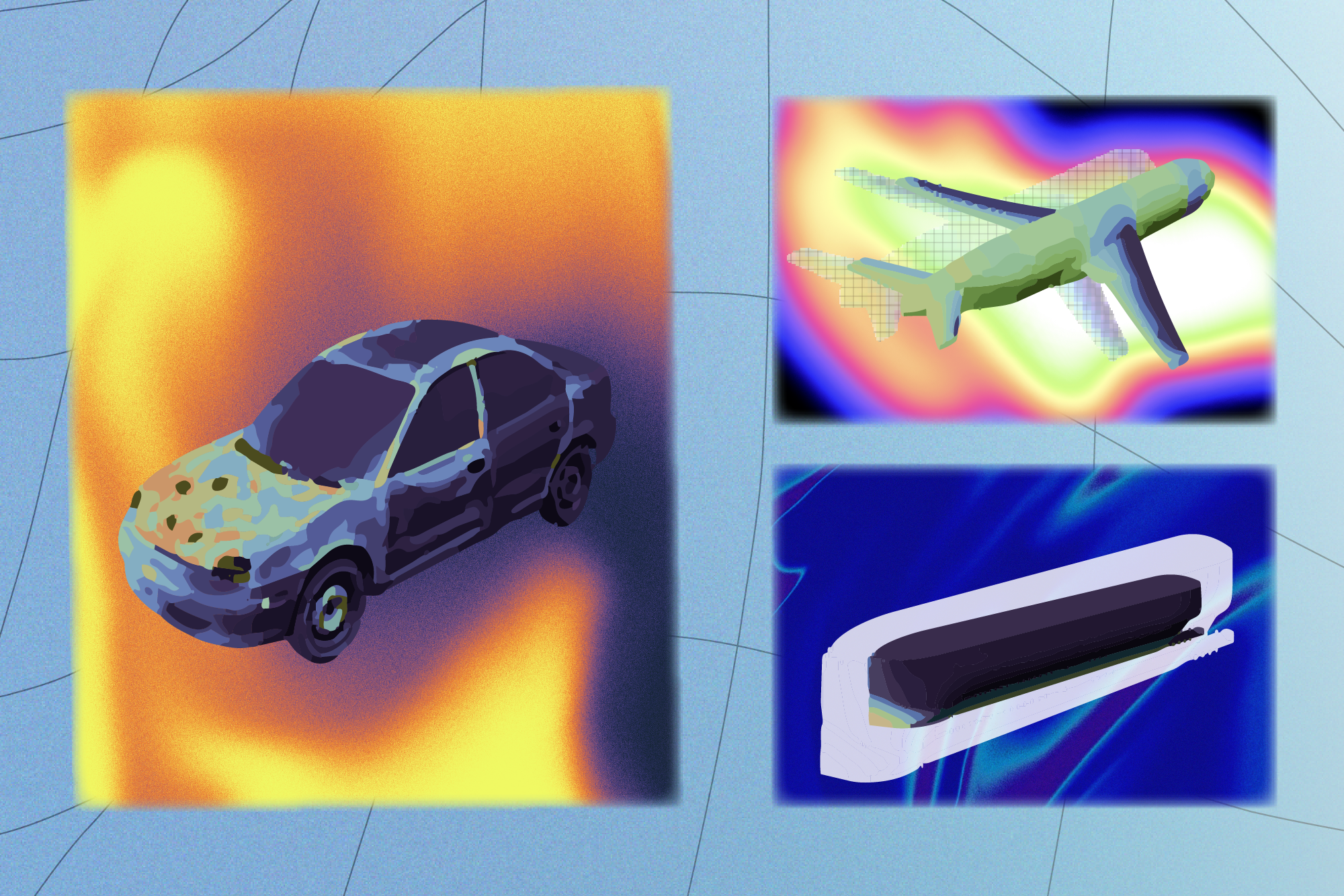
Designers, makers, and others often use 3D printing to rapidly prototype a range of functional objects, from movie props to medical devices. Accurate print previews are essential so users know a fabricated object will perform as expected.
Each spring, river herring populations migrate from Massachusetts coastal waters to begin their annual journey up rivers and streams to freshwater spawning habitat. River herring have faced severe population declines over the past several decades, and their migration is extensively monitored across the region, primarily through traditional visual counting and volunteer-based programs.
The CSAIL Forum is a monthly series hosted by Professor Daniela Rus, Director of CSAIL. This month features Professor Vincent Sitzmann.
Add to calendarAmerica/New_YorkCSAIL Forum with Vincent Sitzmann04/07/2026
The CSAIL Forum is a monthly series hosted by Professor Daniela Rus, Director of CSAIL. This month features Professor Vincent Sitzmann.
LLMs have ushered in a new era of how humans interact with computers: They can code, write, and automate many of our everyday tasks. Yet, in our physical world, AI has so far *not* delivered autonomy: There does not exist a robot today that can do your cleaning, load your dishwasher, or help the elderly get out of bed: in fact, it remains impossible to automate any but the most restricted and controlled tasks. In this talk, Sitzmann will discuss how the billions of hours of video that mankind has collected are a candidate for ushering in an "LLM moment" of AI that can interact with the physical world, and show recent results from my research group that work towards this goal.
Characterized by weakened or damaged heart musculature, heart failure results in the gradual buildup of fluid in a patient’s lungs, legs, feet, and other parts of the body. The condition is chronic and incurable, often leading to arrhythmias or sudden cardiac arrest. For many centuries, bloodletting and leeches were the treatment of choice, famously practiced by barber surgeons in Europe, during a time when physicians rarely operated on patients.
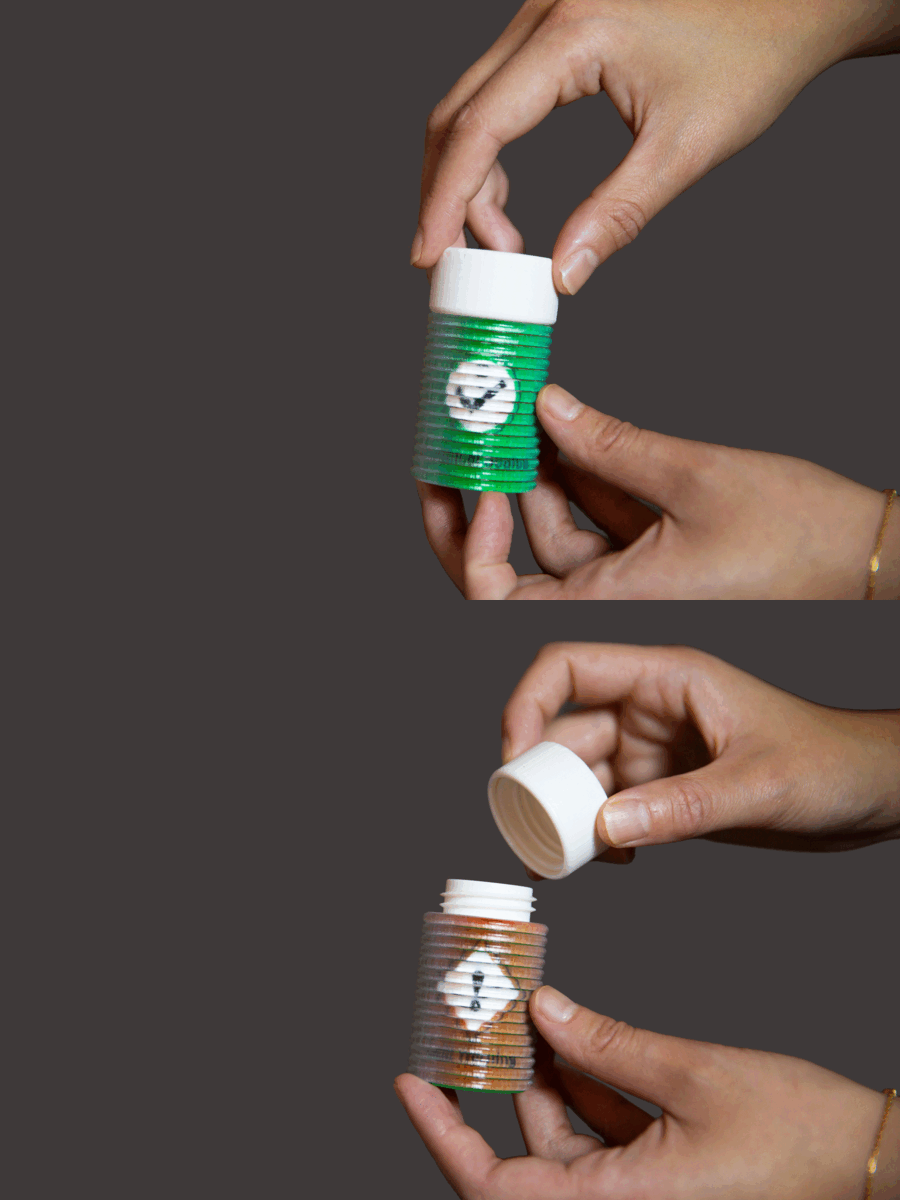
Imagine a world where you could change the designs you see on bags, shirts, and walls whenever you want. Typical clothes would become customizable fashion pieces, while your humble abode could turn into a smart home. That’s the vision of scientists like MIT PhD student Yunyi Zhu ’20, MEng ’21: technology that can “reprogram” the appearance of personal accessories, home decor, and office items.