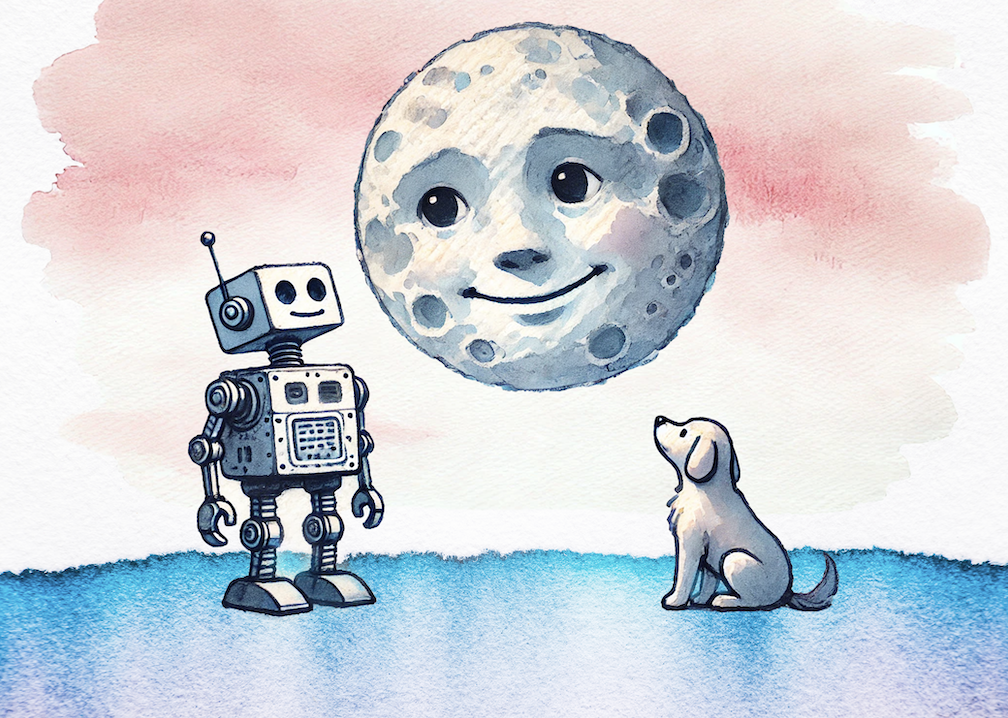
In 1994, Florida jewelry designer Diana Duyser discovered what she believed to be the Virgin Mary’s image in a grilled cheese sandwich, which she preserved and later auctioned for $28,000. But how much do we really understand about pareidolia, the phenomenon of seeing faces and patterns in objects when they aren’t really there?
AI systems are increasingly being deployed in safety-critical health care situations. Yet these models sometimes hallucinate incorrect information, make biased predictions, or fail for unexpected reasons, which could have serious consequences for patients and clinicians.
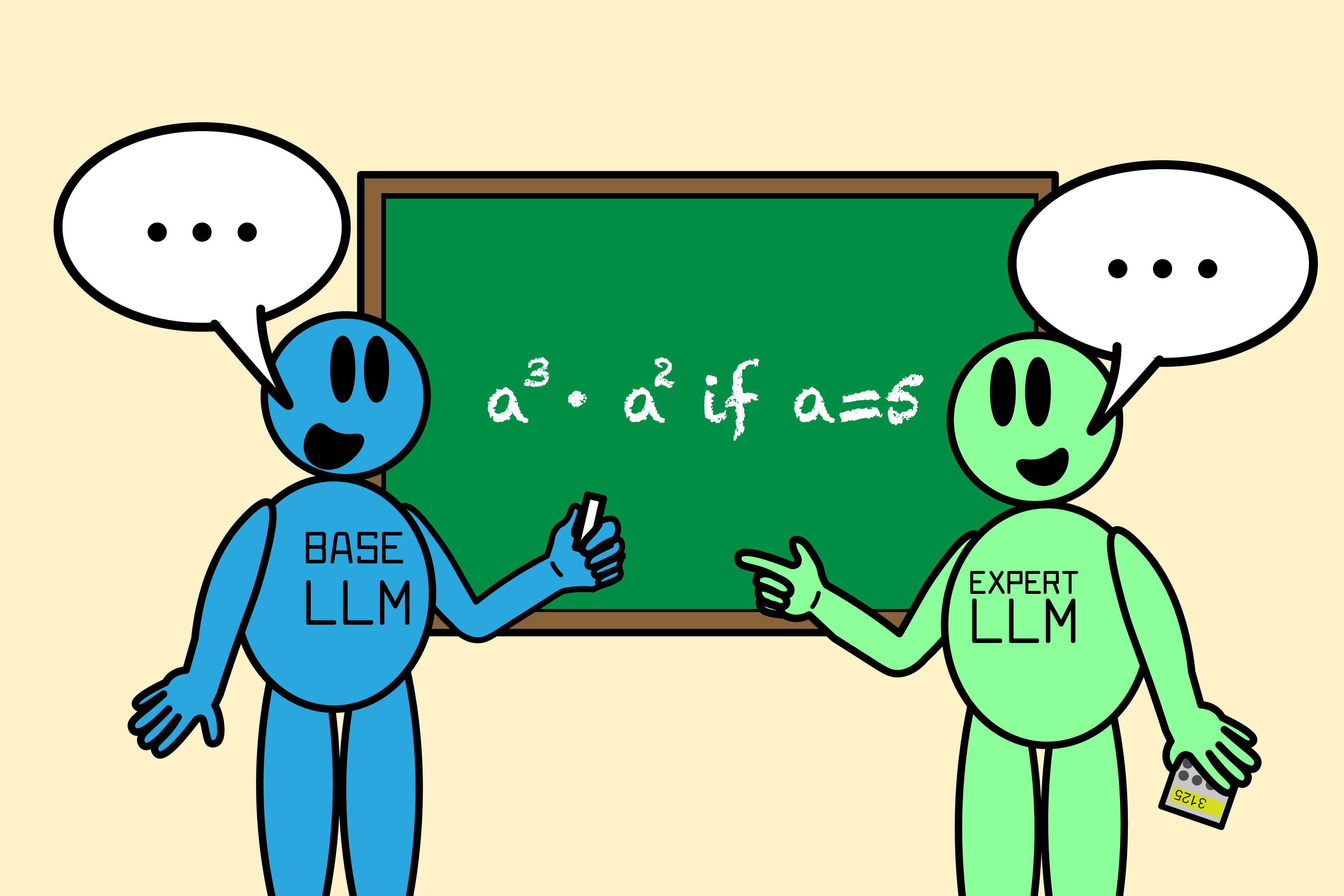
Ever been asked a question you only knew part of the answer to? To give a more informed response, your best move would be to phone a friend with more knowledge on the subject.
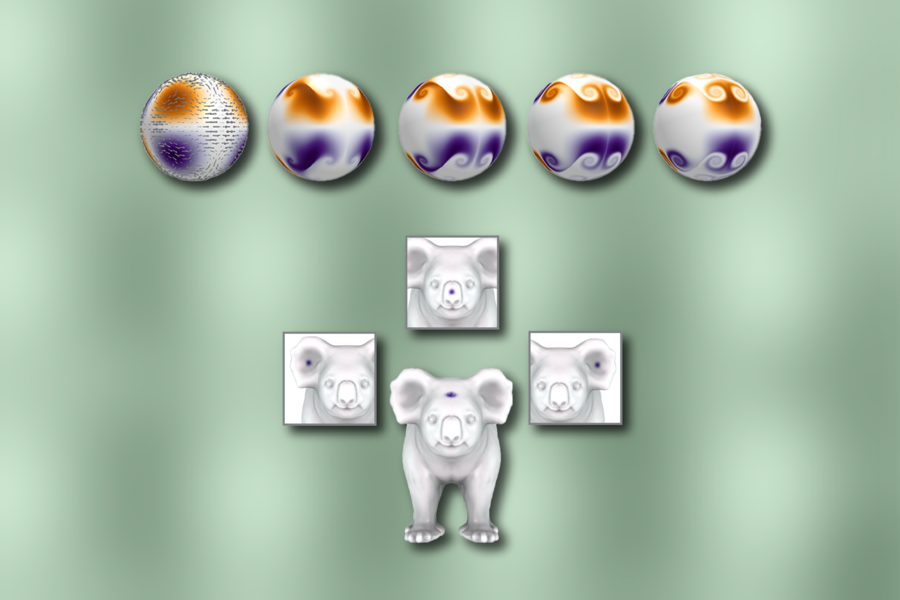
Computer graphics and geometry processing research provide the tools needed to simulate physical phenomena like fire and flames, aiding the creation of visual effects in video games and movies as well as the fabrication of complex geometric shapes using tools like 3D printing.
The most recent email you sent was likely encrypted using a tried-and-true method that relies on the idea that even the fastest computer would be unable to efficiently break a gigantic number into factors.
As artificial intelligence agents become more advanced, it could become increasingly difficult to distinguish between AI-powered users and real humans on the internet. In a new white paper, researchers from MIT, OpenAI, Microsoft, and other tech companies and academic institutions propose the use of personhood credentials, a verification technique that enables someone to prove they are a real human online, while preserving their privacy.
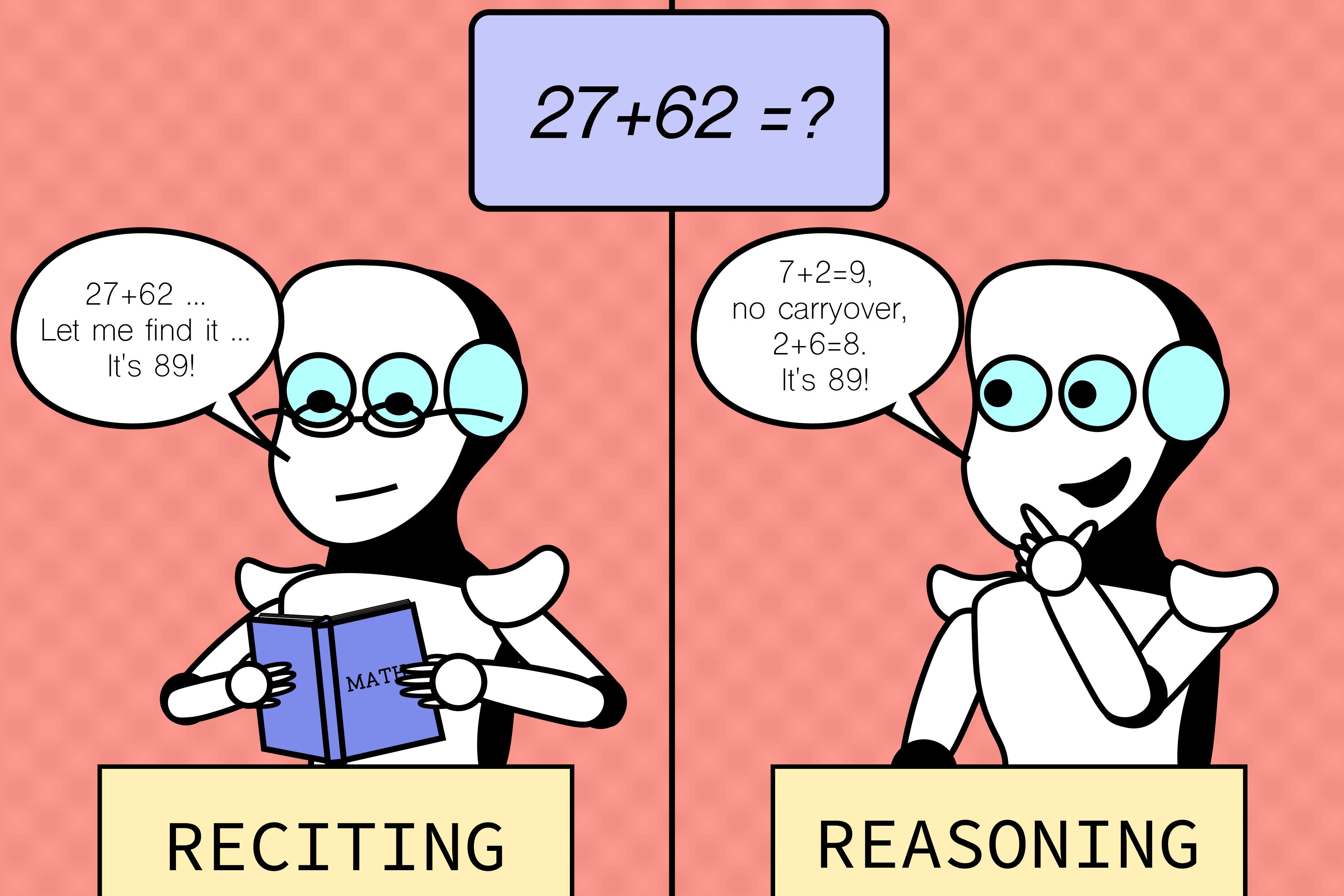
As artificial intelligence models become increasingly prevalent and are integrated into diverse sectors like health care, finance, education, transportation, and entertainment, understanding how they work under the hood is critical. Interpreting the mechanisms underlying AI models enables us to audit them for safety and biases, with the potential to deepen our understanding of the science behind intelligence itself.
When it comes to artificial intelligence, appearances can be deceiving. The mystery surrounding the inner workings of large language models (LLMs) stems from their vast size, complex training methods, hard-to-predict behaviors, and elusive interpretability.