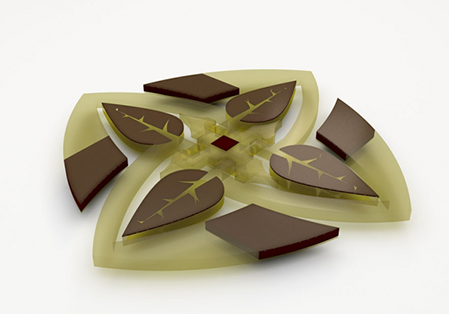
An automated system developed by MIT researchers designs and 3-D prints complex robotic parts called actuators that are optimized according to an enormous number of specifications. In short, the system does automatically what is virtually impossible for humans to do by hand.
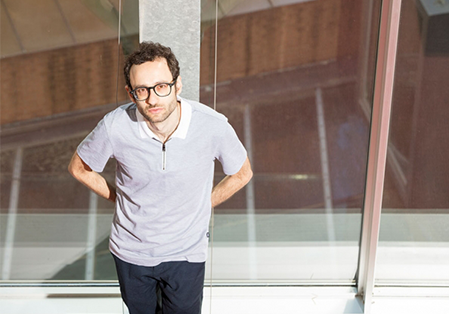
For years, MIT Associate Professor Adam Chlipala has been toiling away behind behind-the-scenes, developing tools to help programmers more quickly and easily generate their code — and prove it does what it’s supposed to do.
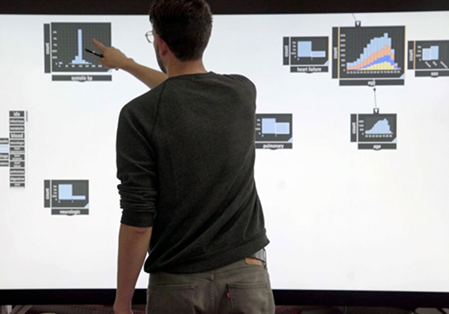
In the Iron Man movies, Tony Stark uses a holographic computer to project 3D data into thin air, manipulate them with his hands, and find fixes to his superhero troubles. In the same vein, researchers from MIT and Brown University have now developed a system for interactive data analytics that runs on touchscreens and lets everyone — not just billionaire tech geniuses — tackle real-world issues.
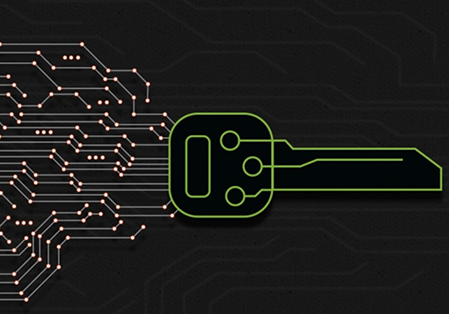
MIT researchers detail a system that, for the first time, automatically generates optimized cryptography code that’s usually written by hand. Deployed in early 2018, the system is now being widely used by Google and other tech firms.
Over the past year MIT CSAIL has worked with Novartis to test a novel technology for passive, contactless monitoring of physiological signals that may be used to monitor clinical trial patients in their homes.
A team from MIT CSAIL has developed a new radix-sorting algorithm called Regions Sort which is up to four times faster than similar algorithms while using half the memory.
If you’ve ever wondered what a loaf of bread would look like as a cat, edges2cats is for you. The program that turns sketches into images of cats is one of many whimsical creations inspired by Phillip Isola’s image-to-image translation software released in the early days of generative adversarial networks, or GANs.
Technology as a vector for positive change | Technology for a better world
CSAIL recently established the TEDxMIT series. The TEDxMIT events will feature talks about important and impactful ideas by members of the broader MIT community.
This event is organized by Daniela Rus and John Werner, in collaboration with a team of undergraduate students led by Stephanie Fu and Rucha Keklar.