
Image
Polina Golland
CSAIL article

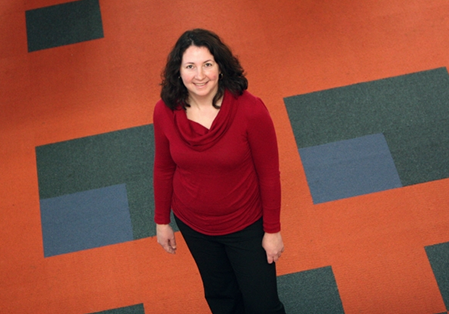
MIT professor Polina Golland has been named a fellow of the American Institute for Medical and Biological Engineering (AIMBE) for her outstanding contributions to the development of novel techniques for biomedical image analysis and understanding. Golland is joining a group of the top two percent of medical and biological engineers in the country. 
Image
self-driving autonomy
CSAIL article

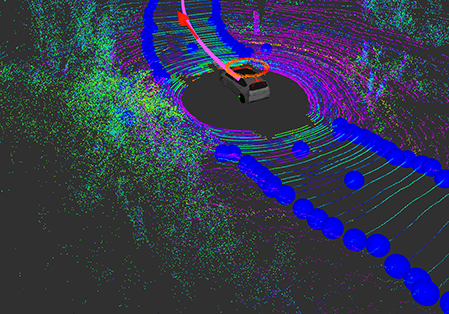
While autonomous cars have gained swift momentum since Leonardo da Vinci’s self-propelled cart circa 1500, the thought of going completely hands-free still feels slightly supernatural. These four-wheelers of the future use a combination of GPS for calculating longitude, latitude, speed, and course to navigate, LiDAR technologies, which use laser light pulses that map surroundings, and machine learning to see and understand -- but to what degree depends on the level of autonomy.  

Image
more compatible coding
CSAIL article

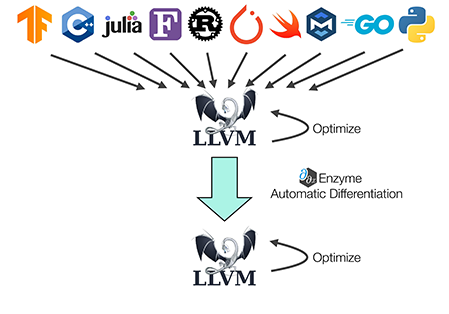
Suppose you're a machine-learning researcher trying to build a model that could help plan for the COVID-19 pandemic. You want to incorporate a disease simulator into the model, but it's written in the C++ programming language, rather than an existing machine-learning workflow like PyTorch or TensorFlow. A team from MIT CSAIL recently developed a clever work-around.