More than seven years ago, cybersecurity researchers were thoroughly rattled by the discovery of Meltdown and Spectre, two major security vulnerabilities uncovered in the microprocessors found in virtually every computer on the planet.
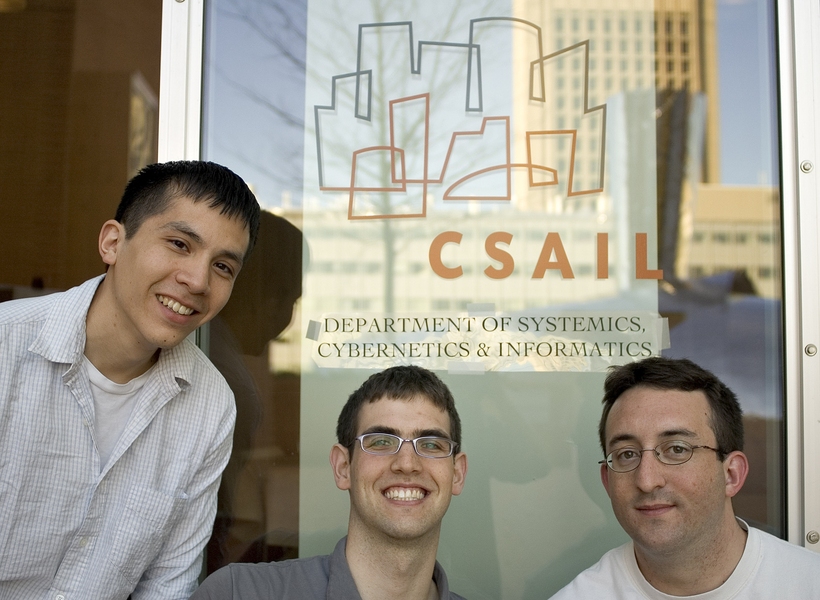
20 years ago in a pre-ChatGPT world, a fake-paper generator created by 3 MIT kids fooled a major conference so badly that they had to completely reconfigure their reviewing practices.
A hospital that wants to use a cloud computing service to perform artificial intelligence data analysis on sensitive patient records needs a guarantee those data will remain private during computation. Homomorphic encryption is a special type of security scheme that can provide this assurance.
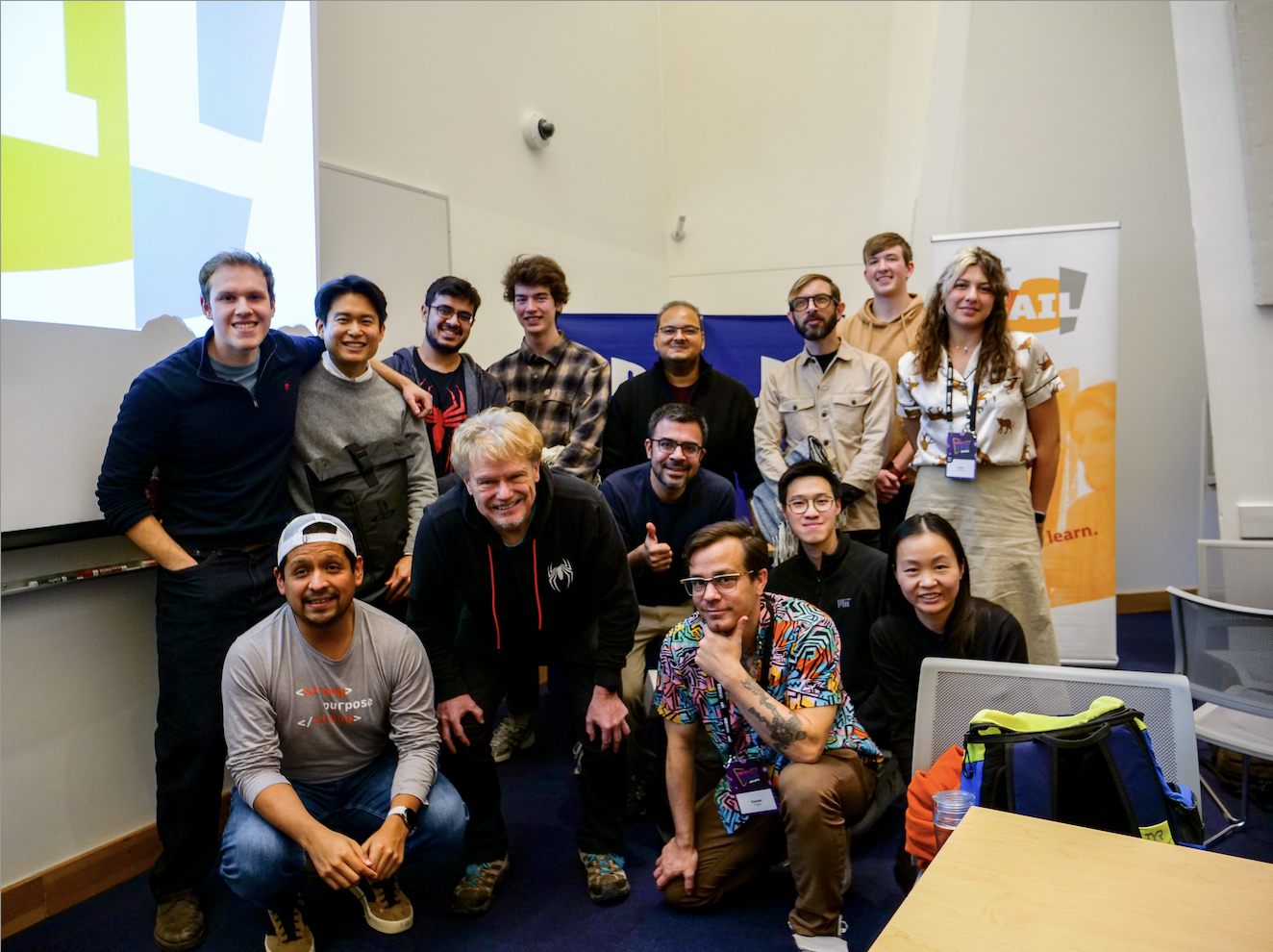
CSAIL Alliances Affiliate Member Sony Interactive Entertainment (SIE) hosted a January 2025 IAP course, “The Nexus of Games and AI.” Designed to “introduce students to game creation, current game-related research, and an exploration of the technology, the art, and the fun of video games,” this course allowed SIE to engage with a broad range of students, meet CSAIL faculty, and deepen their connection to MIT CSAIL.
This week CSAIL announced a gift from JPMorgan Chase that will enable important new breakthroughs in artificial intelligence research at MIT’s largest interdepartmental lab.
Many companies invest heavily in hiring talent to create the high-performance library code that underpins modern artificial intelligence systems. NVIDIA, for instance, developed some of the most advanced high-performance computing (HPC) libraries, creating a competitive moat that has proven difficult for others to breach.
A computation has two main constraints: the amount of memory a computation requires and how long it takes to do that calculation. If a task requires a certain number of steps, at worst the computer will need to access its memory for each one, meaning it'll require the same number of memory slots.
While early language models could only process text, contemporary large language models now perform highly diverse tasks on different types of data. For instance, LLMs can understand many languages, generate computer code, solve math problems, or answer questions about images and audio.