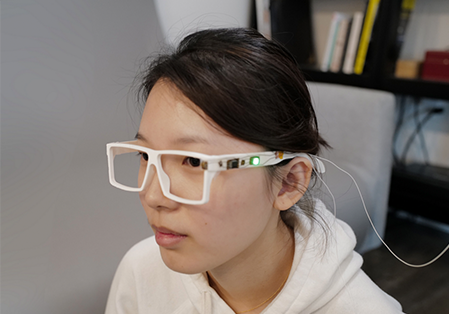
A 3D design environment from CSAIL lets users iterate an object’s shape and electronic function in one cohesive space, to add existing sensors to early-stage prototypes.
Researchers at CSAIL recently made a major development in the area of lost languages: a new system that has been shown to be able to automatically decipher a lost language, without needing advanced knowledge of its relation to other languages.
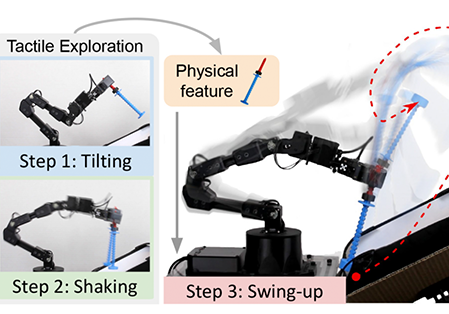
In contrast to the advanced tactile insights of humans, the robots that we’ve spent decades developing don’t even have the tactile skills of toddlers. This matters as systems with so-called “haptic sensors” are increasingly used not just in factories, but stores, offices and even people’s homes.
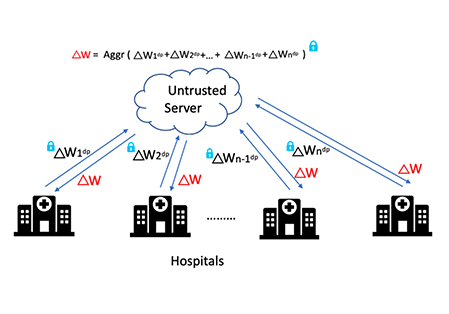
When you see headlines about artificial intelligence (AI) being used to detect health issues, that’s usually thanks to a hospital providing data to researchers. But such systems aren’t as robust as they could be, because such data is usually only taken from one organization.