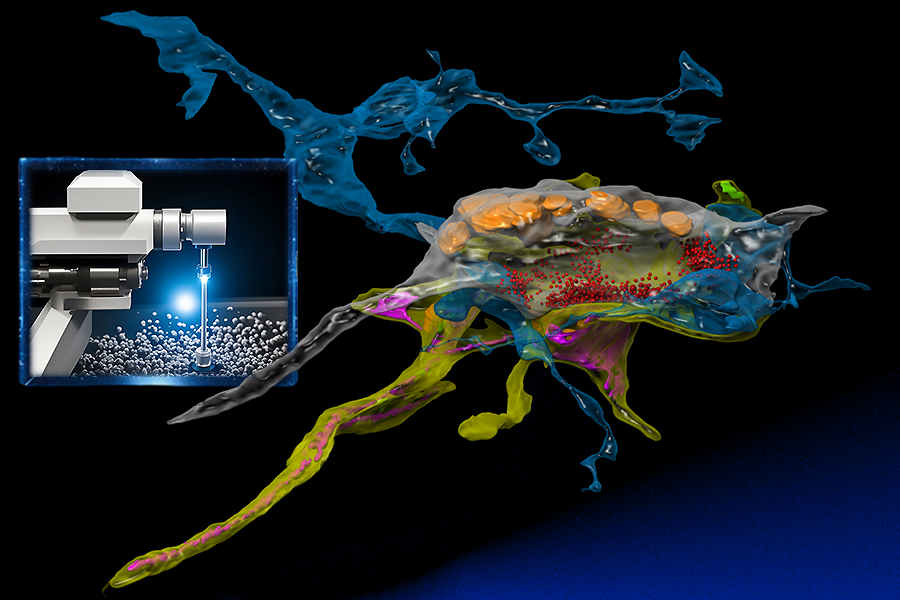
Connectomics, the ambitious field of study that seeks to map the intricate network of animal brains, is undergoing a growth spurt. Within the span of a decade, it has journeyed from its nascent stages to a discipline that is poised to (hopefully) unlock the enigmas of cognition and the physical underpinning of neuropathologies such as in Alzheimer’s disease.
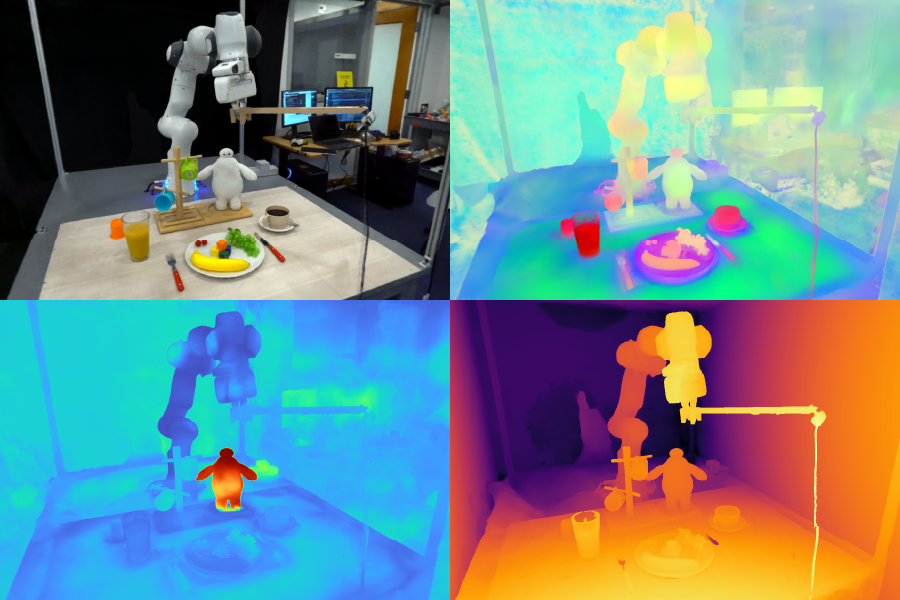
Imagine you’re visiting a friend abroad, and you look inside their fridge to see what would make for a great breakfast. Many of the items initially appear foreign to you, with each one encased in unfamiliar packaging and containers. Despite these visual distinctions, you begin to understand what each one is used for and pick them up as needed.
Two studies find “self-supervised” models, which learn about their environment from unlabeled data, can show activity patterns similar to those of the mammalian brain.
The SecureLoop search tool efficiently identifies secure designs for hardware that can boost the performance of complex AI tasks, while requiring less energy.