The first documented case of pancreatic cancer dates back to the 18th century. Since then, researchers have undertaken a protracted and challenging odyssey to understand the elusive and deadly disease. To date, there is no better cancer treatment than early intervention. Unfortunately, the pancreas, nestled deep within the abdomen, is particularly elusive for early detection.
An interdisciplinary team of researchers thinks health AI could benefit from some of the aviation industry’s long history of hard-won lessons that have created one of the safest activities today.
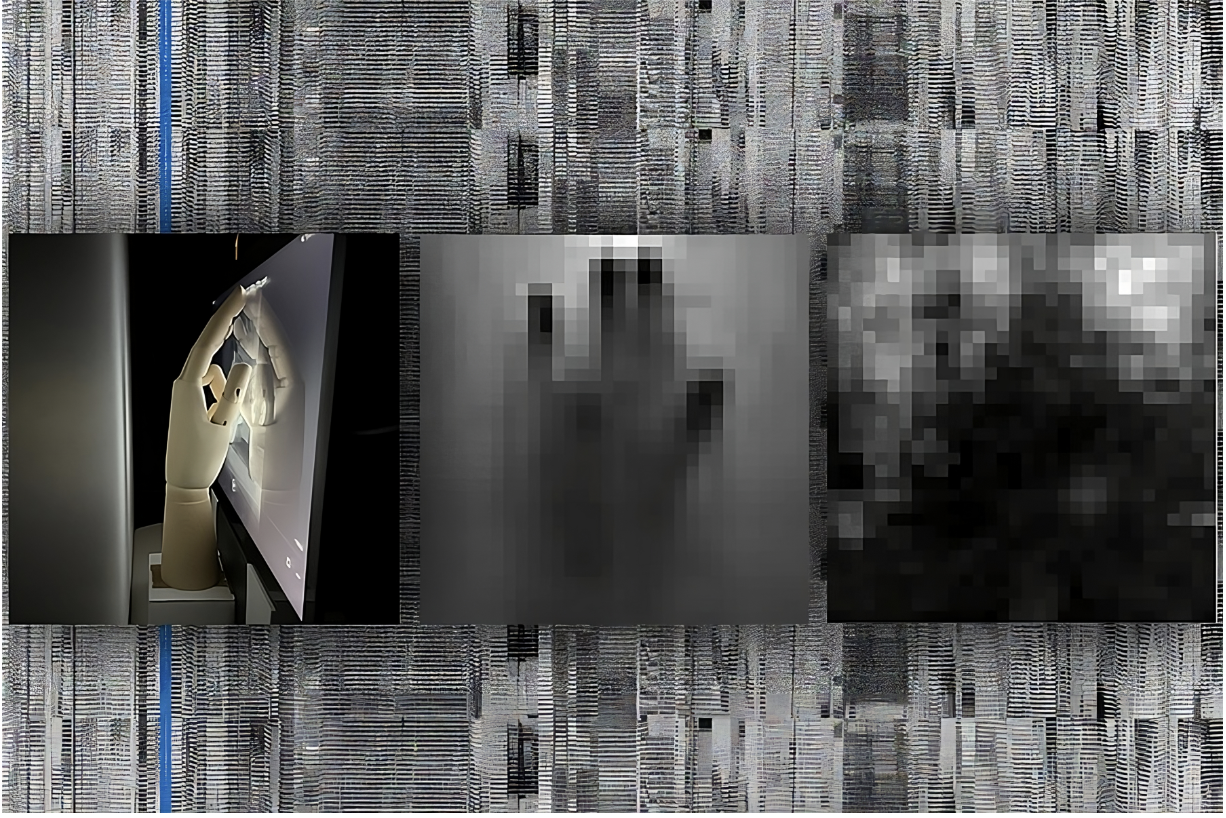
In George Orwell’s novel “1984,” Big Brother watches citizens through two-way, TV-like telescreens to surveil citizens without any cameras. In a similar fashion, our current smart devices contain ambient light sensors, which open the door to a different threat: hackers.
MIT’s Improbable AI Lab, a group within CSAIL, has offered these machines a helping hand with a new multimodal framework: Compositional Foundation Models for Hierarchical Planning (HiP), which develops detailed, feasible plans with the expertise of three different foundation models.