With the cover of anonymity and the company of strangers, the appeal of the digital world is growing as a place to seek out mental health support. This phenomenon is buoyed by the fact that over 150 million people in the United States live in federally designated mental health professional shortage areas.
One might argue that one of the primary duties of a physician is to constantly evaluate and re-evaluate the odds: What are the chances of a medical procedure’s success? Is the patient at risk of developing severe symptoms? When should the patient return for more testing? Amidst these critical deliberations, the rise of artificial intelligence promises to reduce risk in clinical settings and help physicians prioritize the care of high-risk patients.
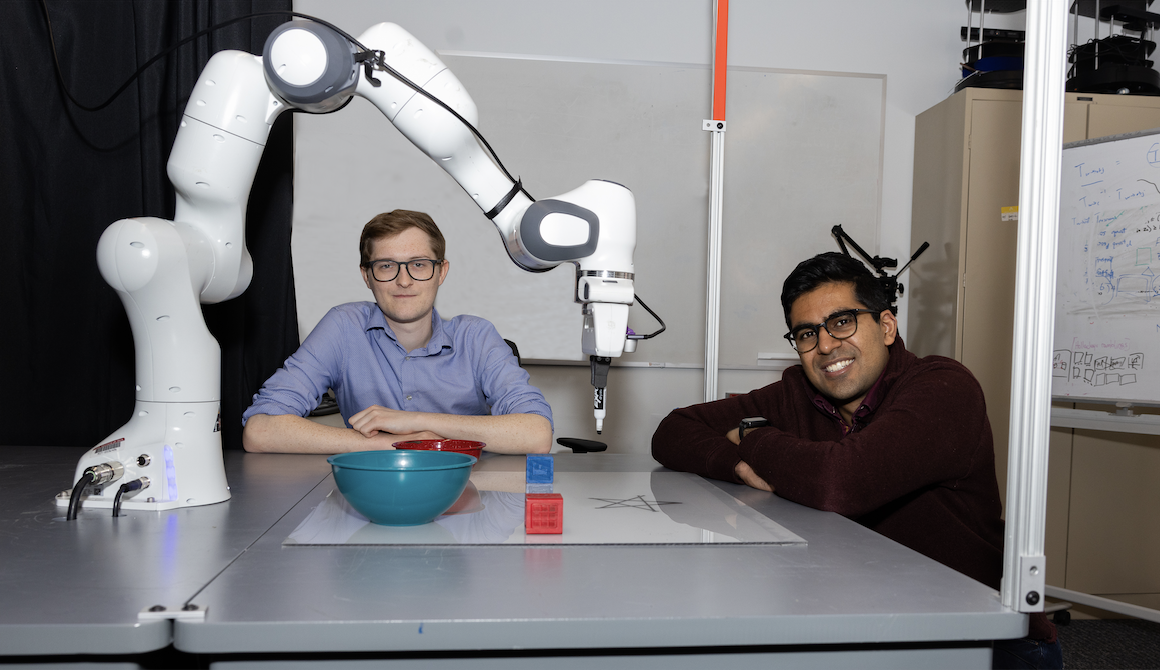
If someone advises you to “Know your limits,” they’re likely suggesting you do things like exercise in moderation. To a robot, though, the motto represents learning constraints, or limitations of a specific task within the machine’s environment, to do chores safely and correctly.