TEDx MIT
Technology as a vector for positive change | Technology for a better world

CSAIL recently established the TEDxMIT series. The TEDxMIT events will feature talks about important and impactful ideas by members of the broader MIT community.

This event is organized by Daniela Rus and John Werner, in collaboration with a team of undergraduate students led by Stephanie Fu and Rucha Keklar.

Image
Freshman Experience MIT App Inventor
MIT news article

In the advent of artificial intelligence, robots, and automation, today’s K-12 educators around the world are asking the question: “What skills do our students need to be ready for the future?”

The “Freshman Technology Experience” — a recent two-day event at Cambridge Rindge and Latin School (CRLS) in Cambridge, Massachusetts — brought MIT researchers into the classroom to explore just that

Image
MIT Physics simulator
MIT news article

A new learning system developed by MIT researchers improves robots’ abilities to mold materials into target shapes and make predictions about interacting with solid objects and liquids. The system, known as a learning-based particle simulator, could give industrial robots a more refined touch — and it may have fun applications in personal robotics, such as modelling clay shapes or rolling sticky rice for sushi.

Image
autonomous robots
CSAIL article

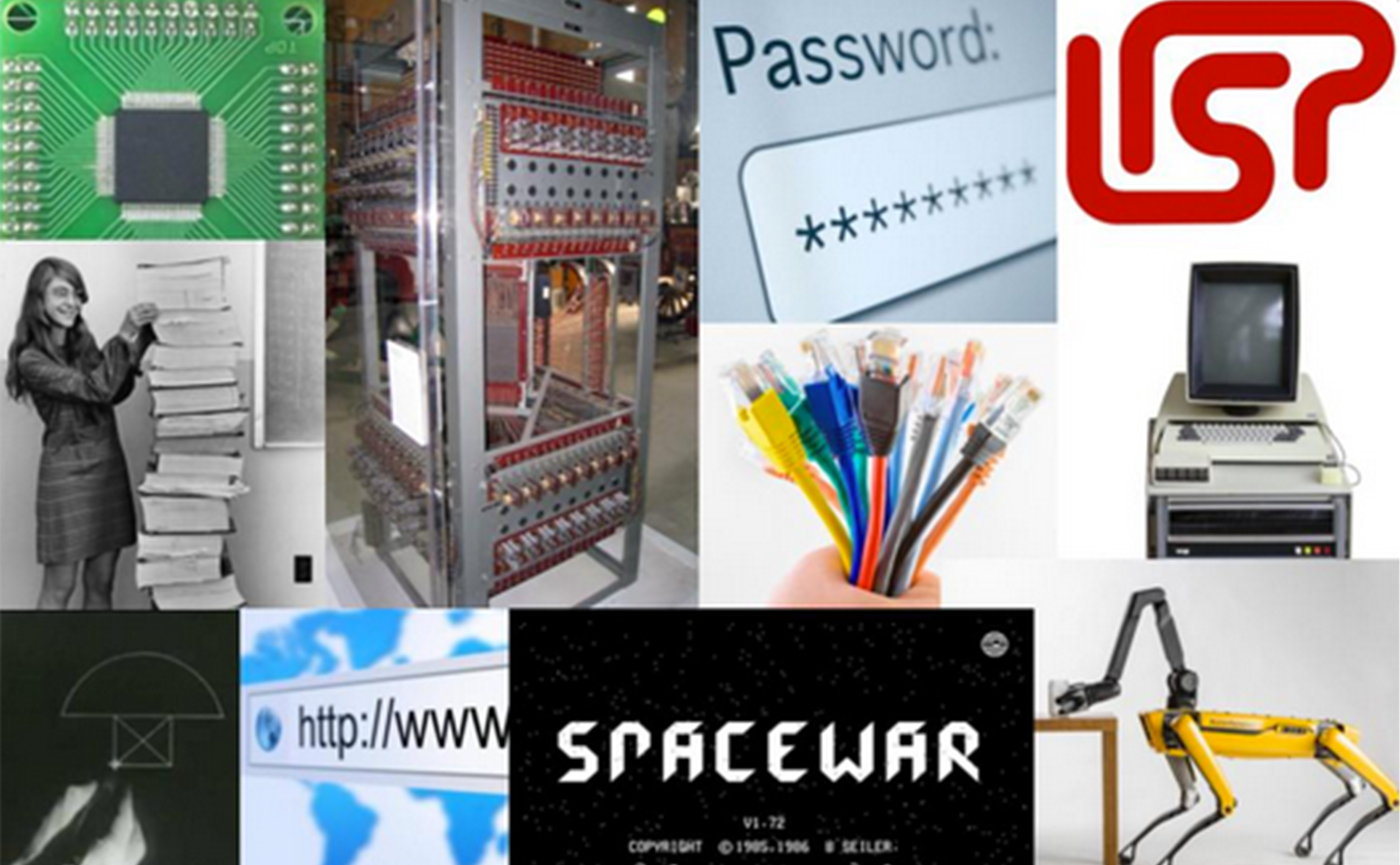
The winning team of researchers is a Dream Team of experts from Massachusetts Institute of Technology and the Boston University. It includes experts in neuroscience, robotics, computer science, computer vision, artificial intelligence, mathematical systems theory, and a host of other related advanced technology domains.

Image
self-driving cars
CSAIL article

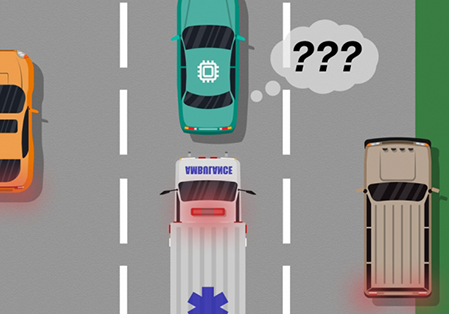
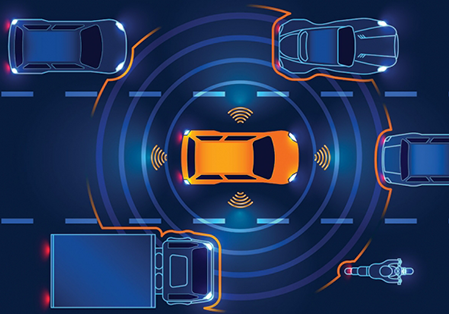
In the field of self-driving cars, algorithms for controlling lane changes are an important topic of study. But most existing lane-change algorithms have one of two drawbacks: Either they rely on detailed statistical models of the driving environment, which are difficult to assemble and too complex to analyze on the fly; or they’re so simple that they can lead to impractically conservative decisions, such as never changing lanes at all.