Are you a CSAIL entrepreneur? Are you curious about the resources that CSAIL Alliances, as well as the rest of the MIT Ecosystem can offer you? Sign up for Office Hours using the form to ask Christiana Kalfas, Sr.
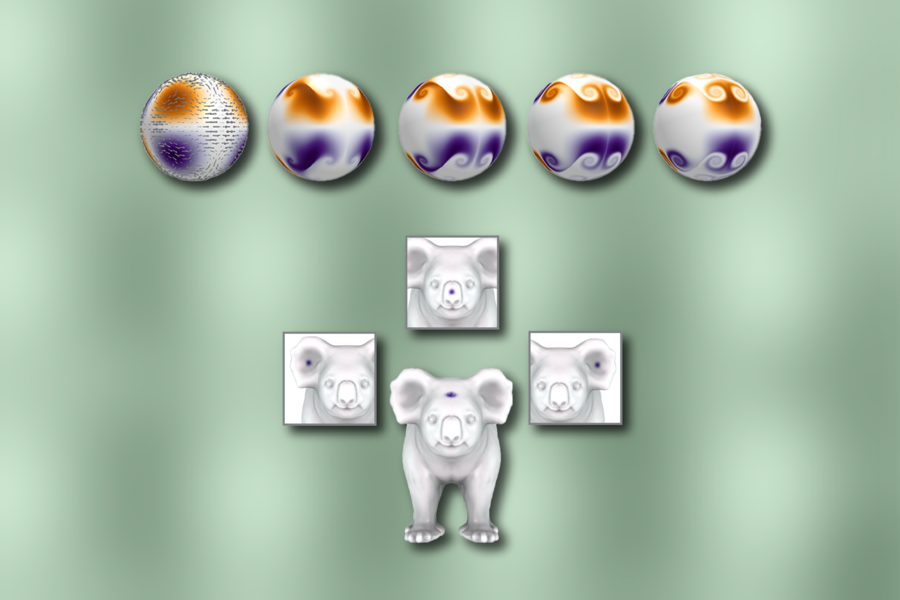
Computer graphics and geometry processing research provide the tools needed to simulate physical phenomena like fire and flames, aiding the creation of visual effects in video games and movies as well as the fabrication of complex geometric shapes using tools like 3D printing.
As artificial intelligence agents become more advanced, it could become increasingly difficult to distinguish between AI-powered users and real humans on the internet. In a new white paper, researchers from MIT, OpenAI, Microsoft, and other tech companies and academic institutions propose the use of personhood credentials, a verification technique that enables someone to prove they are a real human online, while preserving their privacy.
The impact of artificial intelligence will never be equitable if there’s only one company that builds and controls the models (not to mention the data that go into them). Unfortunately, today’s AI models are made up of billions of parameters that must be trained and tuned to maximize performance for each use case, putting the most powerful AI models out of reach for most people and companies.
Large language models like those that power ChatGPT have shown impressive performance on tasks like drafting legal briefs, analyzing the sentiment of customer reviews, or translating documents into different languages.
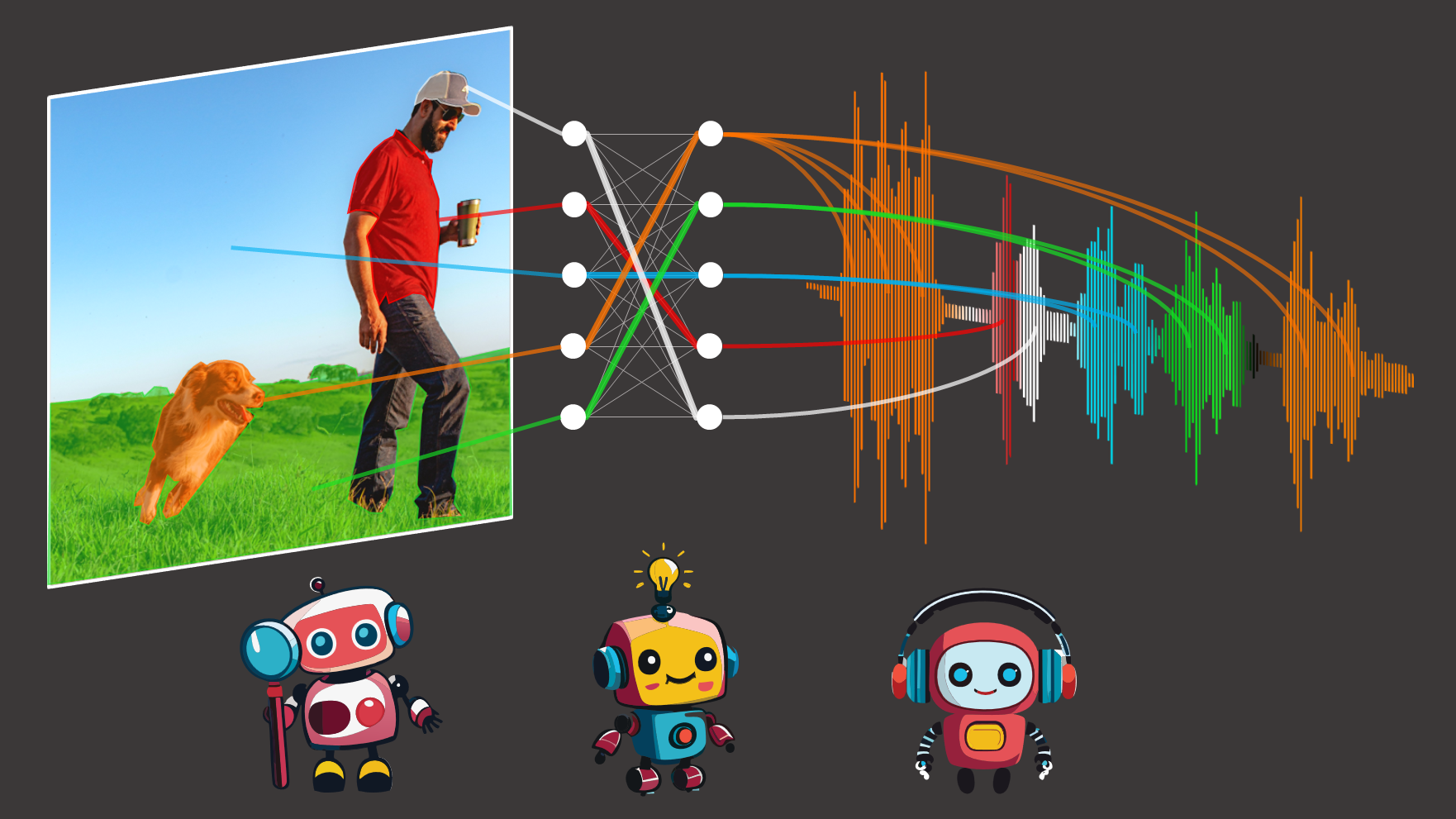
Mark Hamilton, an MIT PhD student in electrical engineering and computer science and affiliate of MIT's Computer Science and Artificial Intelligence Laboratory (CSAIL), wants to use machines to understand how animals communicate. To do that, he set out first to create a system that can learn human language “from scratch.”
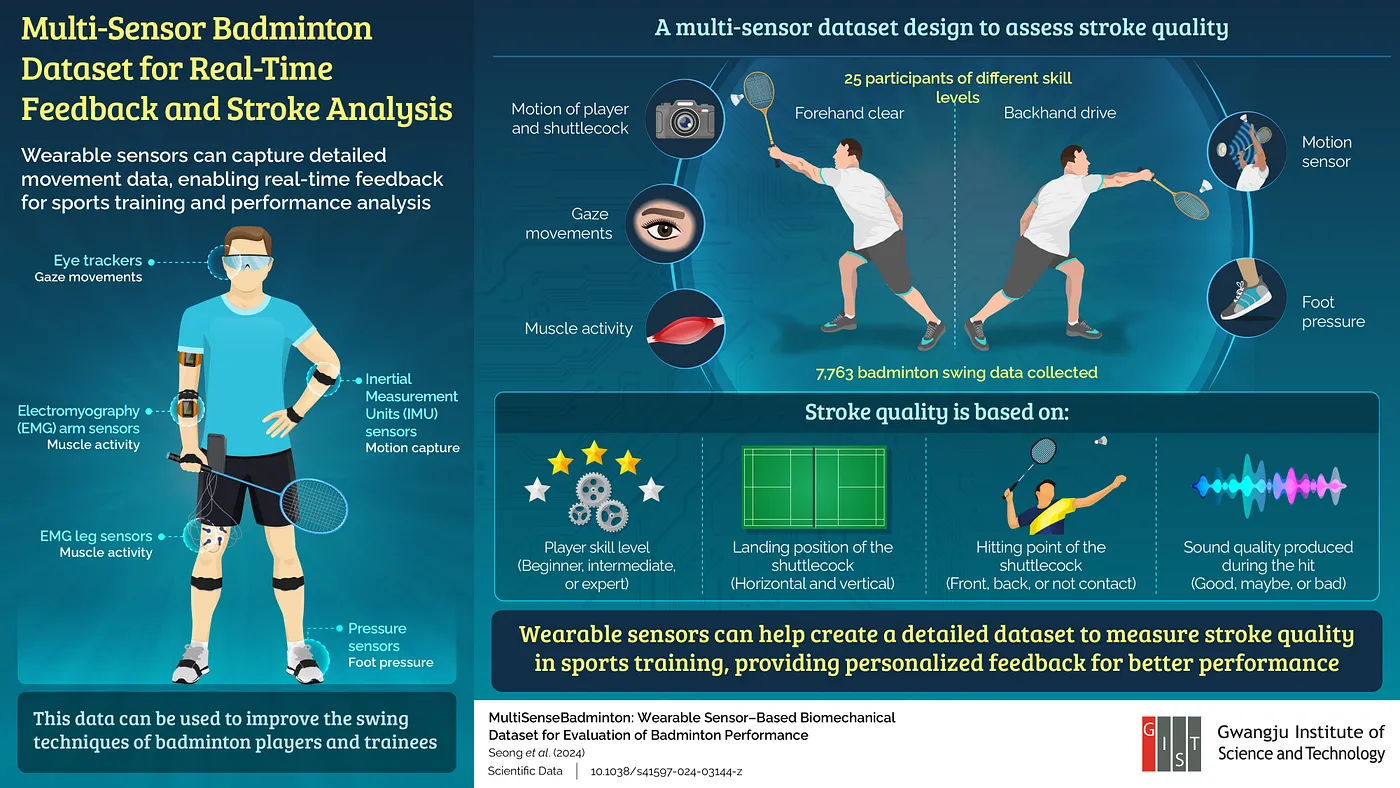
In sports training, practice is the key, but being able to emulate the techniques of professional athletes can take a player’s performance to the next level. AI-based personalized sports coaching assistants assist with this by utilizing published datasets. With cameras and sensors strategically placed on the athlete's body, these systems can track everything, including joint movement patterns, muscle activation levels, and gaze movements.
The European Association for Theoretical Computer Science (EATCS) recently awarded Ryan Williams, MIT EECS professor and CSAIL member, with the 2024 Gödel Prize for his 2011 paper, “Non-Uniform ACC Circuit Lower Bounds.” Williams receives this honor for presenting a novel paradigm for a “rich two-way connection" between algorithmic techniques and lower-bound methods.
When water freezes, it transitions from a liquid phase to a solid phase, resulting in a drastic change in properties like density and volume. Phase transitions in water are so common most of us probably don’t even think about them, but phase transitions in novel materials or complex physical systems are an important area of study.