Artificial intelligence and the evolving domains of computer science will be defining forces in the next phase of human history. Our shared future hinges on the responsible and ethical evolution of technologies that are transforming every aspect of modern life.
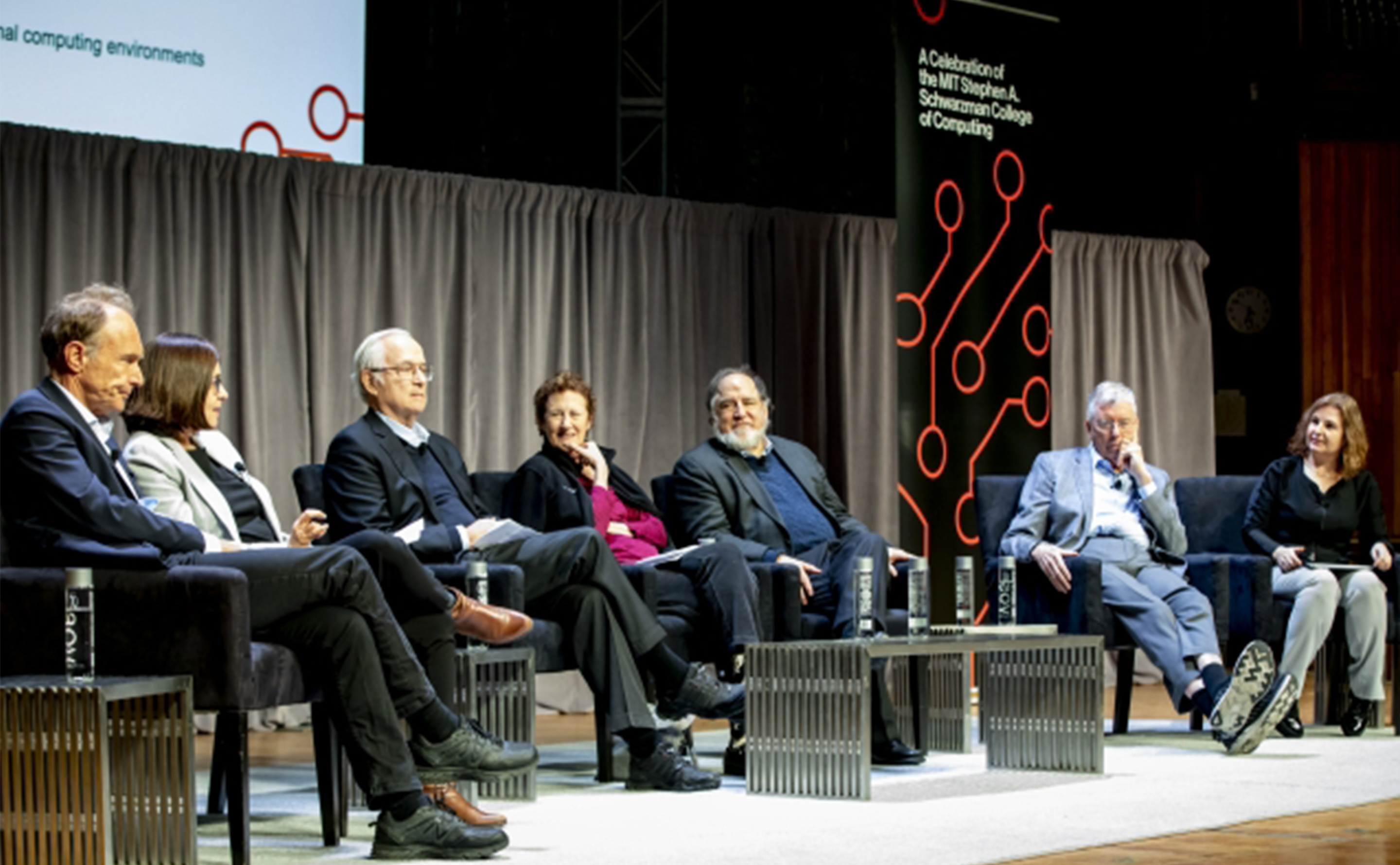
MIT is celebrating the launch of the new $1 billion MIT Stephen A. Schwarzman College of Computing. To help commemorate the event, here’s a list of 25 ways in which MIT has already transformed the world of computing technology.
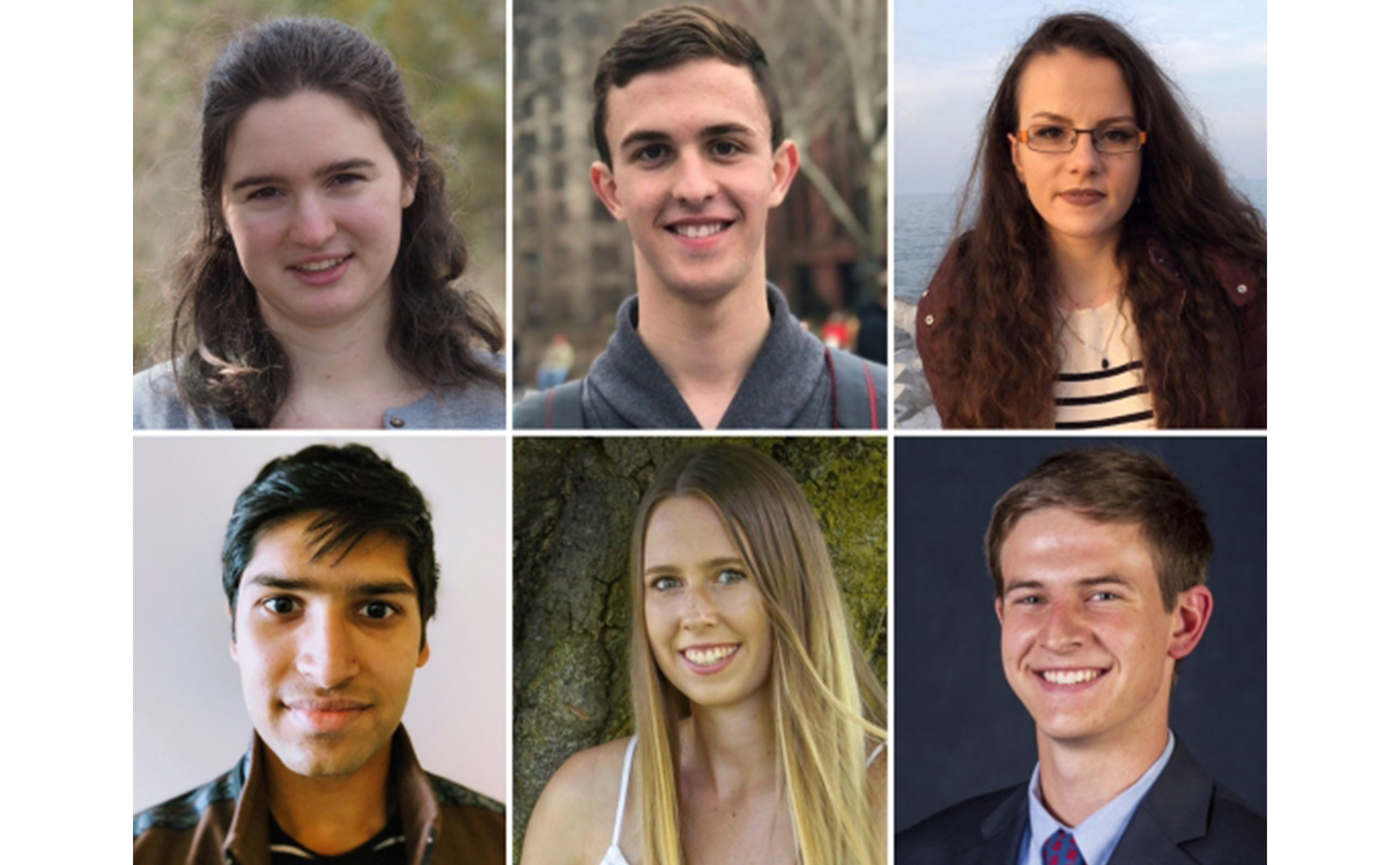
Undergraduate research projects show how students are advancing research in human and artificial intelligence, and applying intelligence tools to other disciplines.
MIT’s Computer Science and Artificial Intelligence Laboratory (CSAIL) held a special workshop with Microsoft Research to explore key challenges in creating trustworthy and robust artificial intelligence (AI) systems. The effort focused on addressing concerns about the trustworthiness of AI systems, including rising concerns with the safety, fairness, and transparency of the technologies.
Four CSAIL faculty were named among the top 100 global leaders in artificial intelligence for health, according to a new report developed by a top technology think-tank.
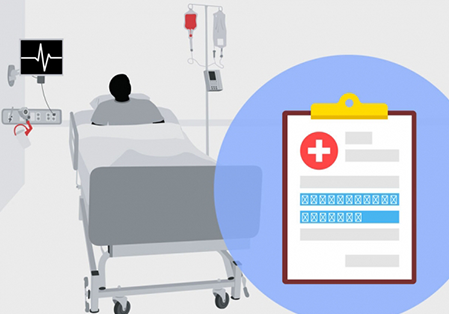
Neural network assimilates multiple types of health data to help doctors make decisions with incomplete information.
MIT researchers have developed a model that can assimilate multiple types of a patient’s health data to help doctors make decisions with incomplete information.