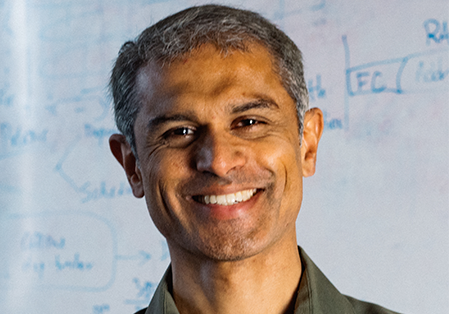
The Institute of Electrical and Electronics Engineers (IEEE) has named MIT professor Hari Balakrishnan an elected fellow for his contributions to “the design and application of mobile sensing systems.”
TEDxMIT features talks from various speakers, including Karthish Manthiram, an Assistant Professor in Chemical Engineering; David McGee, a paleoclimatologist and Professor of Earth, Atmospheric, and Planetary Science; Noelle Selin, an Associate Professor in the Institute of Data, Systems, and Society, and in the Department of Earth, Atmospheric, and Planetary Science; and Thomas Peacock, the Director of the Environmental Dynamics Laboratory (ENDLab) in the Department of Mechanical Engineering.
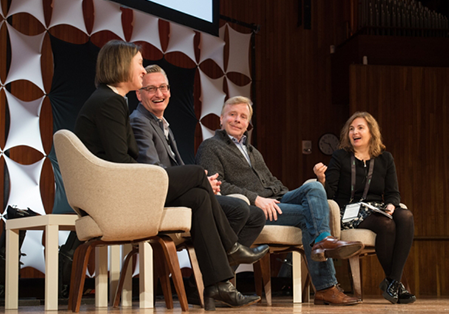
In opening the AI and the Work of the Future Congress, MIT Professor Daniela Rus presented diverging views of how artificial intelligence will impact jobs worldwide.
By automating certain menial tasks, experts think AI is poised to improve human quality of life, boost profits, and create jobs, said Rus, director of the Computer Science and Artificial Intelligence Laboratory (CSAIL) and the Andrew and Erna Viterbi Professor of Electrical Engineering and Computer Science.
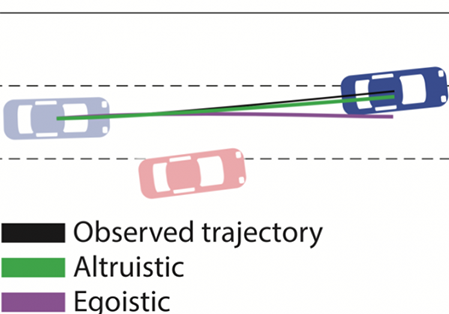
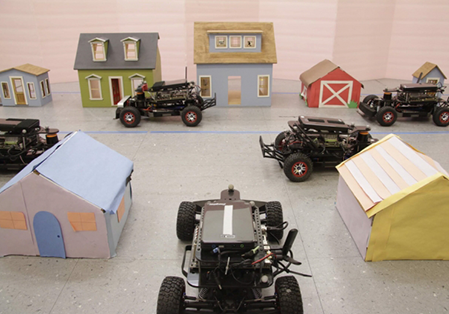
Recently a team led by researchers at MIT’s Computer Science and Artificial Intelligence Laboratory (CSAIL) has been exploring whether self-driving cars can be programmed to classify the social personalities of other drivers, so that they can better predict what different cars will do — and, therefore, be able to drive more safely among them.
MIT and Toyota researchers have designed a new model to help autonomous vehicles determine when it’s safe to merge into traffic at intersections with obstructed views.
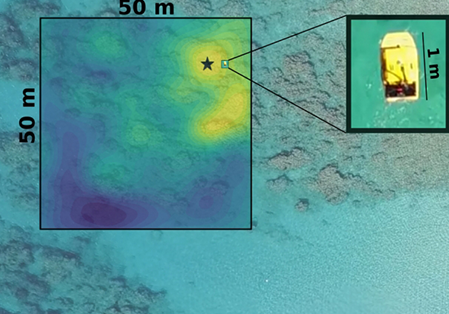
An autonomous robotic system invented by researchers at MIT and the Woods Hole Oceanographic Institution (WHOI) efficiently sniffs out the most scientifically interesting — but hard-to-find — sampling spots in vast, unexplored waters.
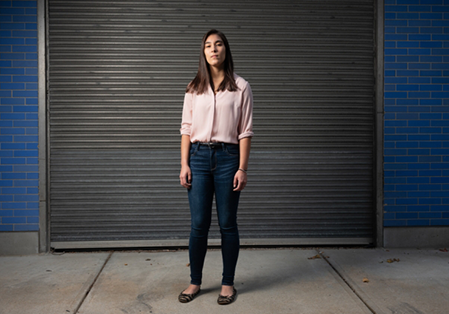
“For me, to be really fulfilled in my work as a scientist, I want to have some tangible impact,” she says.
Carpenter explains that artificial intelligence, which can help compute the combinations of compounds that would be better for a particular drug, can reduce trial-and-error time and ideally quicken the process of designing new medicines.