CSAIL will be launching a new initiative focused on machine learning applications. MachineLearningApplications@CSAIL, or “MLA@CSAIL”, will focus on current challenges in machine learning to prepare industry members for digital transformation in their workplaces.
One of the biggest challenges in computing is handling the onslaught of information while still being able to efficiently store and process it. A team from MIT CSAIL believe that the answer rests with something called “instance-optimized systems.”
OpenAI unveiled the largest language model in the world, a text-generating tool called GPT-3 that can write creative fiction, translate legalese into plain English, and answer obscure trivia questions. It’s the latest feat of intelligence achieved by deep learning, a machine learning method patterned after the way neurons in the brain process and store information.
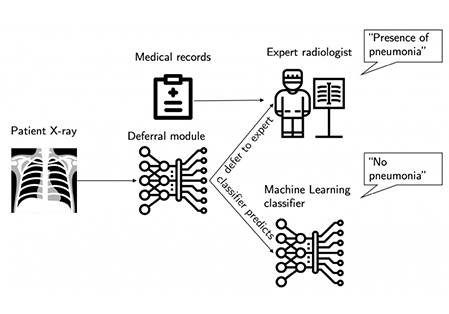
Researchers from CSAIL have developed a machine learning system that can either make a prediction about a task, or defer the decision to an expert. Most importantly, it can adapt when and how often it defers to its human collaborator, based on factors such as its teammate’s availability and level of experience.
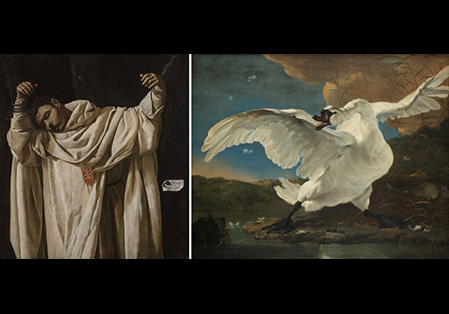
With the boundless treasure trove of paintings that exist, the connections between these works of art from different periods of time and space can often go overlooked. It’s impossible for even the most knowledgeable of art critics to take in millions of paintings across thousands of years and be able to find unexpected parallels in themes, motifs, and visual styles.
Deep learning systems are revolutionizing technology around us, from voice recognition that pairs you with your phone to autonomous vehicles that are increasingly able to see and recognize obstacles ahead. But much of this success involves trial and error when it comes to the deep learning networks themselves. A group of MIT researchers recently reviewed their contributions to a better theoretical understanding of deep learning networks, providing direction for the field moving forward.
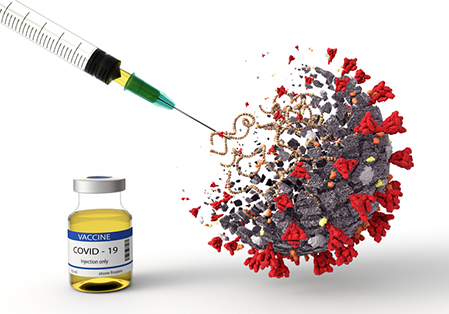
Recently, a team of researchers from MIT’s Computer Science and Artificial Intelligence Laboratory (CSAIL) took a new approach to getting us closer to a solution: a combinatorial machine learning system that selects peptides (short strings of amino acids) that are predicted to provide high population coverage for a vaccine.