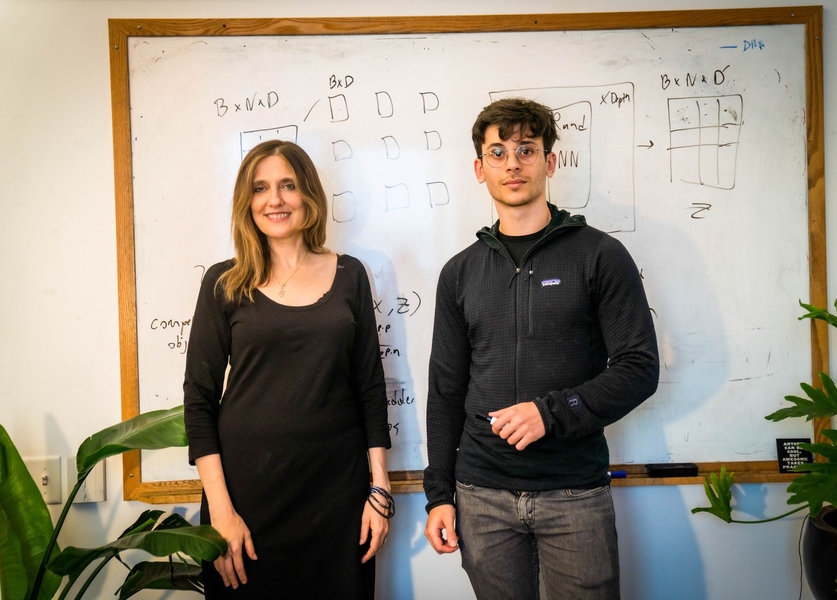
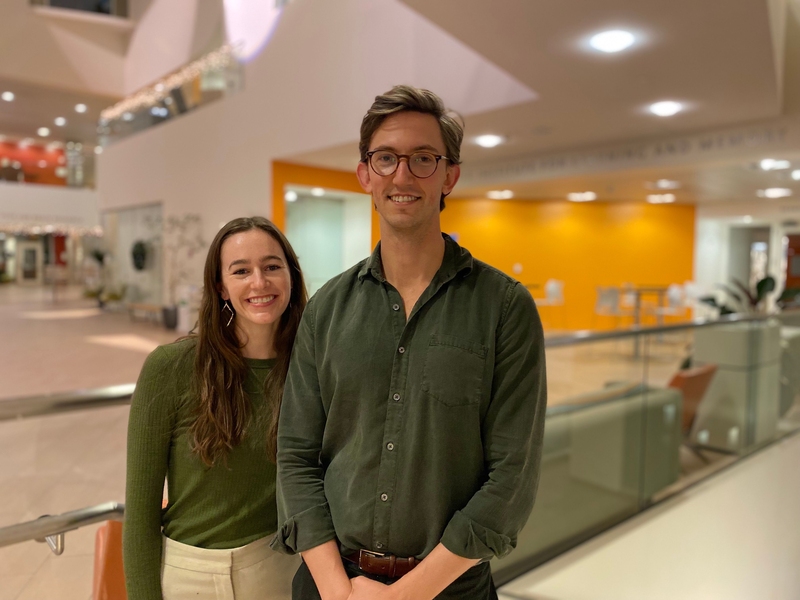
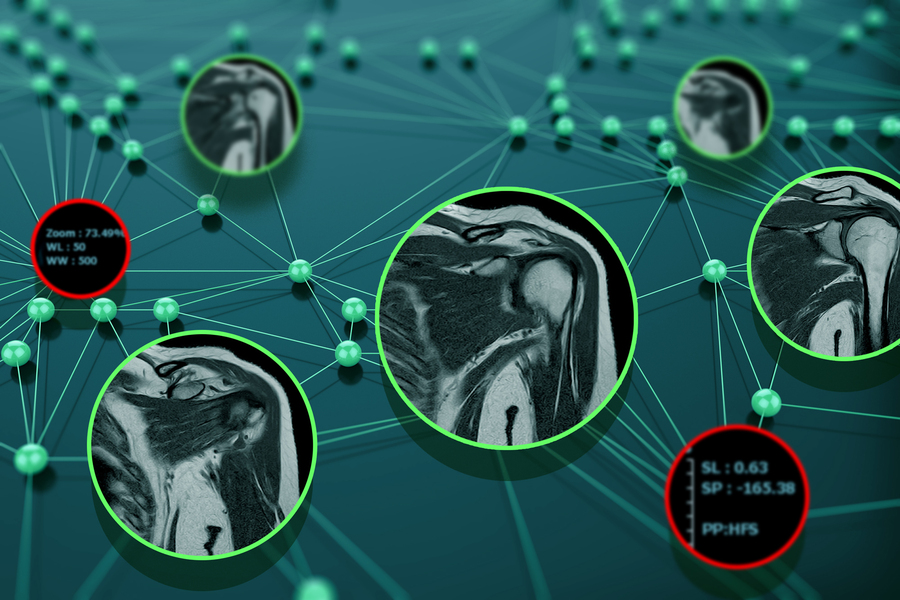
Due to fragmented interfaces and tedious data entry procedures of Electronic Health Records, physicians often spend more time navigating these systems than they do interacting with patients. Researchers at MIT and the Beth Israel Deaconess Medical Center are combining machine learning and human-computer interaction to create a better system.
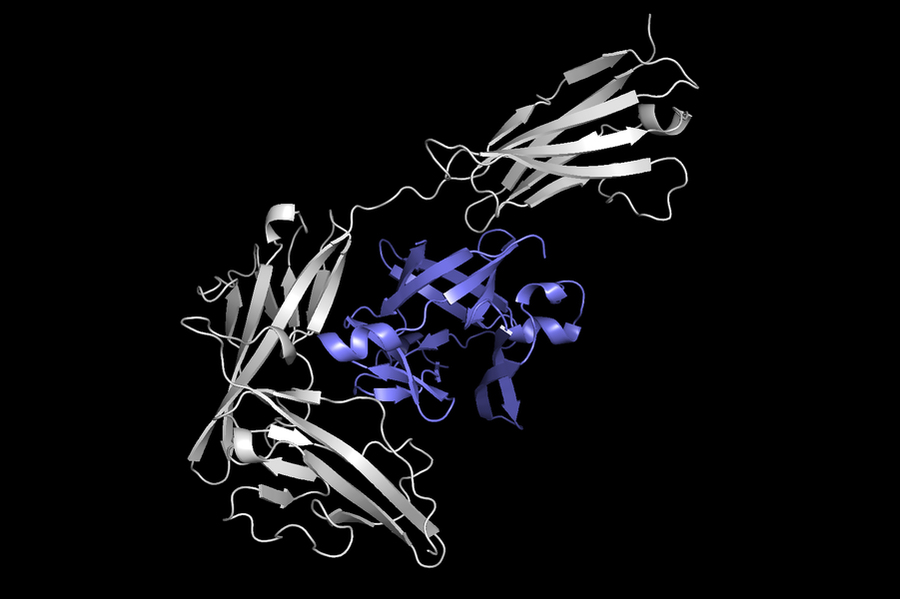
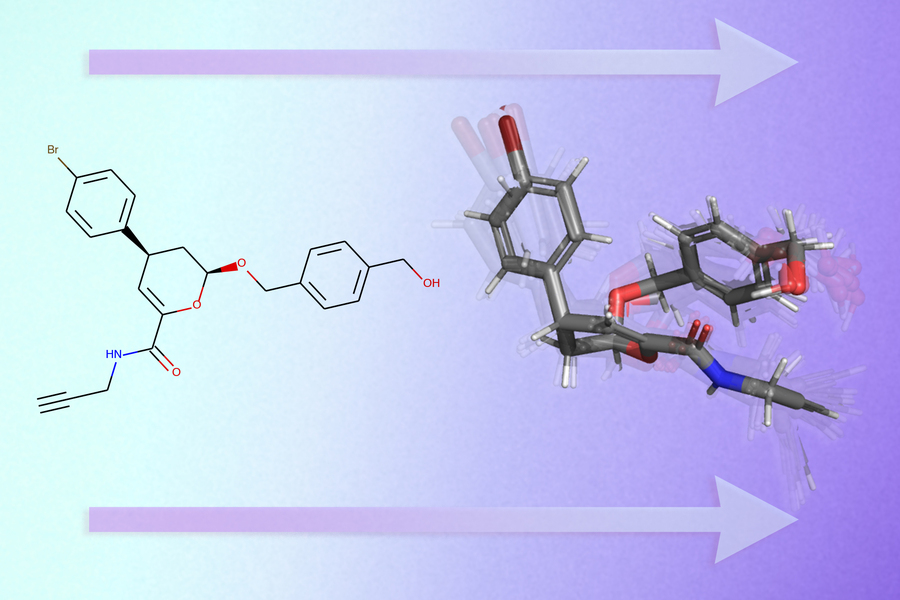
The existential threat of COVID-19 has highlighted an acute need to develop working therapeutics against emerging health threats. One of the luxuries deep learning has afforded us is the ability to modify the landscape as it unfolds -- so long as we can keep up with the viral threat, and access the right data.
To get ahead of the uncertainty inherent to crashes, scientists from MIT’s Computer Science and Artificial Intelligence Laboratory (CSAIL) and the Qatar Center for Artificial Intelligence (QCAI) developed a deep learning model that predicts very high-resolution crash risk maps.
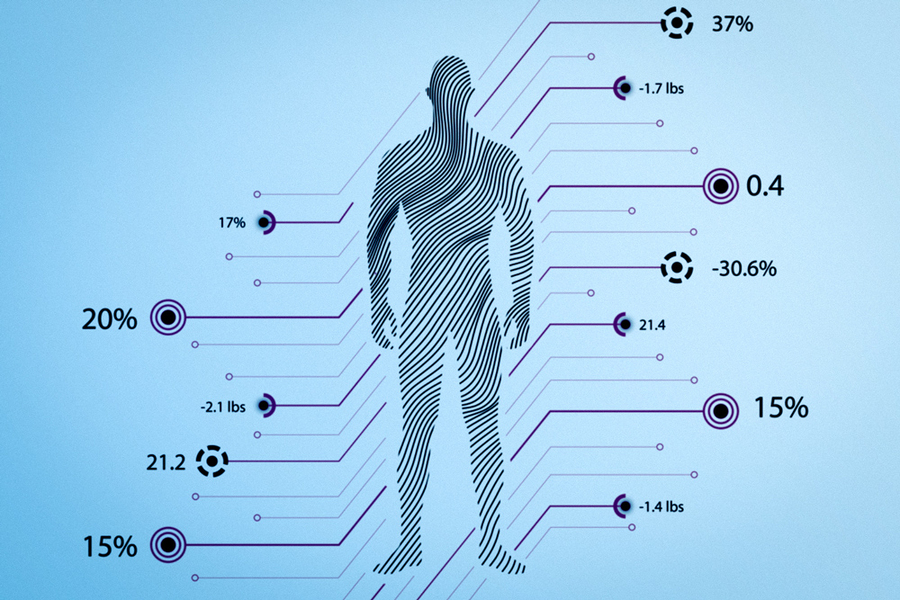
MIT professor is designing the next generation of smart wireless devices that will sit in the background, gathering and interpreting data, rather than being worn on the body.