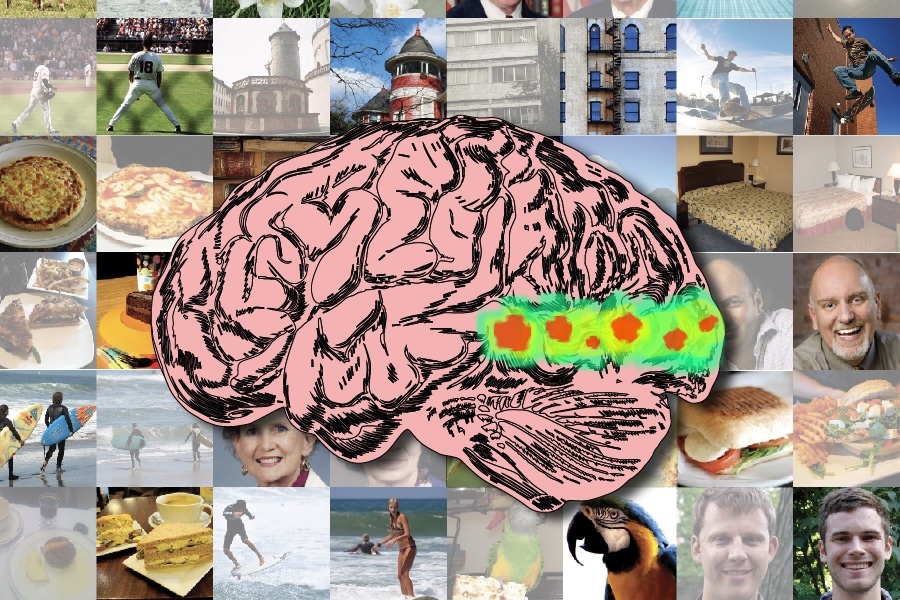
For nearly a decade, a team of MIT Computer Science and Artificial Intelligence Laboratory (CSAIL) researchers have been seeking to uncover why certain images persist in a people's minds, while many others fade. To do this, they set out to map the spatio-temporal brain dynamics involved in recognizing a visual image. And now for the first time, scientists harnessed the combined strengths of magnetoencephalography (MEG), which captures the timing of brain activity, and functional magnetic resonance imaging (fMRI), which identifies active brain regions, to precisely determine when and where the brain processes a memorable image.
To build AI systems that can collaborate effectively with humans, it helps to have a good model of human behavior to start with. But humans tend to behave suboptimally when making decisions.
Daniela Rus is a pioneering roboticist and a professor of electrical engineering and computer science at MIT. She is the director of the Computer Science and Artificial Intelligence Laboratory. She is also a member of the National Academy of Engineering, the American Academy of Arts and Sciences, and a MacArthur Fellow.
In biomedicine, segmentation involves annotating pixels from an important structure in a medical image, like an organ or cell. Artificial intelligence models can help clinicians by highlighting pixels that may show signs of a certain disease or anomaly.
A user could ask ChatGPT to write a computer program or summarize an article, and the AI chatbot would likely be able to generate useful code or write a cogent synopsis. However, someone could also ask for instructions to build a bomb, and the chatbot might be able to provide those, too.
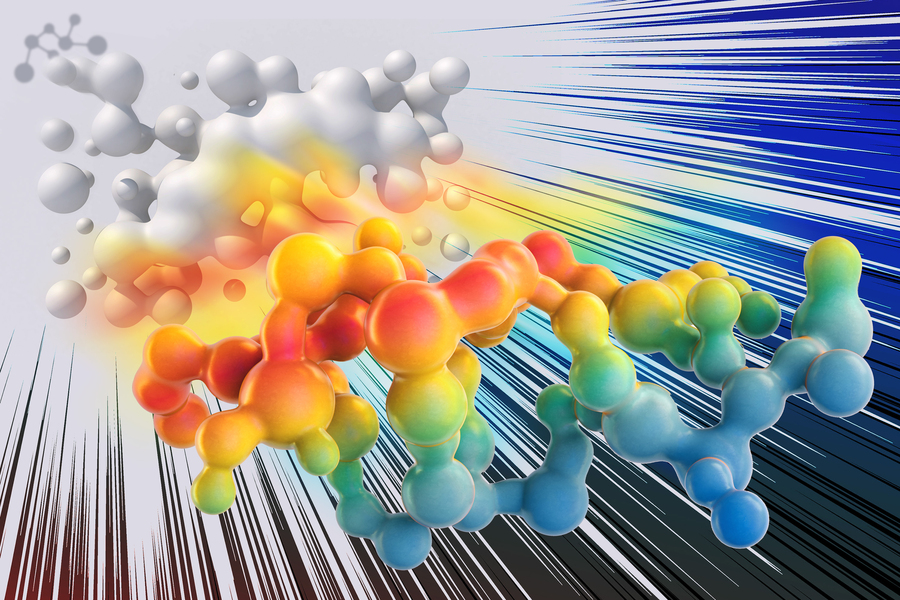
To engineer proteins with useful functions, researchers usually begin with a natural protein that has a desirable function, such as emitting fluorescent light, and put it through many rounds of random mutation that eventually generate an optimized version of the protein.
From students crafting essays and engineers writing code to call center operators responding to customers, generative artificial intelligence tools have prompted a wave of experimentation over the past year. At MIT, these experiments have raised questions — some new, some ages old — about how these tools can change the way we live and work.
Large language models, such as those that power popular artificial intelligence chatbots like ChatGPT, are incredibly complex. Even though these models are being used as tools in many areas, such as customer support, code generation, and language translation, scientists still don’t fully grasp how they work.