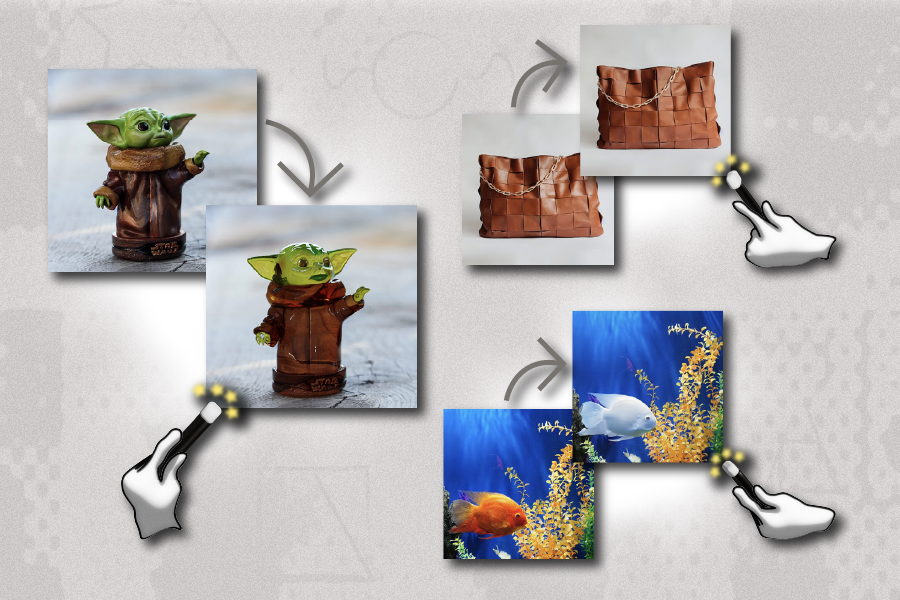
Researchers from the MIT Computer Science and Artificial Intelligence Laboratory (CSAIL) and Google Research may have just performed digital sorcery — in the form of a diffusion model that can change the material properties of objects in images.
Daniela Rus’s dream is to imbue the power of robotics with the wisdom of humanity. She runs MIT’s Computer Science and Artificial Intelligence Laboratory. As part of his ongoing series on the promise and perils of AI, Globe Ideas Editor Brian Bergstein talks to Rus about her new book “The Heart and the Chip.” She says robots won’t just do our chores and work in our factories; they can teach us how to hit tennis balls like Serena Williams and defy gravity like Iron Man. She says your car won’t just drive you around — it might also be a friend.
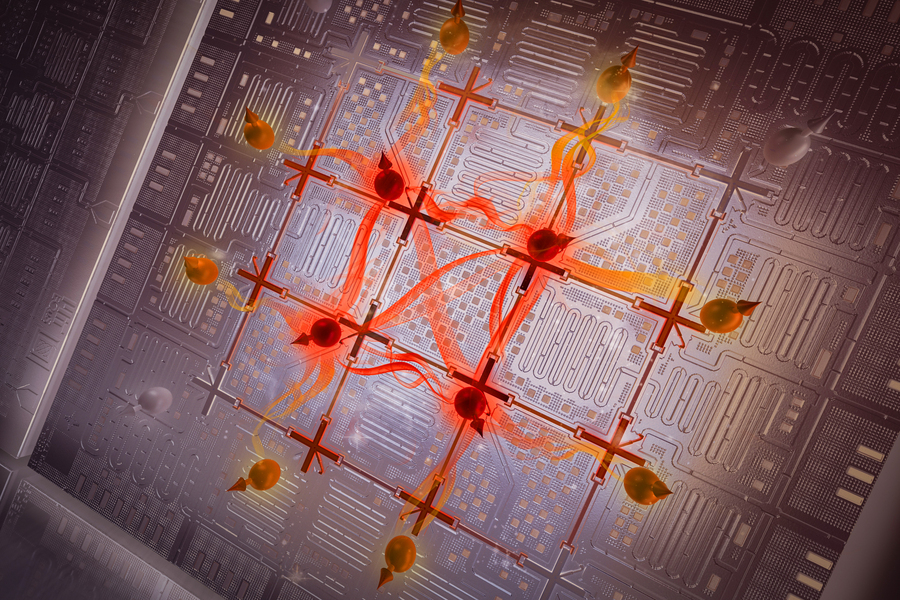
When water freezes, it transitions from a liquid phase to a solid phase, resulting in a drastic change in properties like density and volume. Phase transitions in water are so common most of us probably don’t even think about them, but phase transitions in novel materials or complex physical systems are an important area of study.
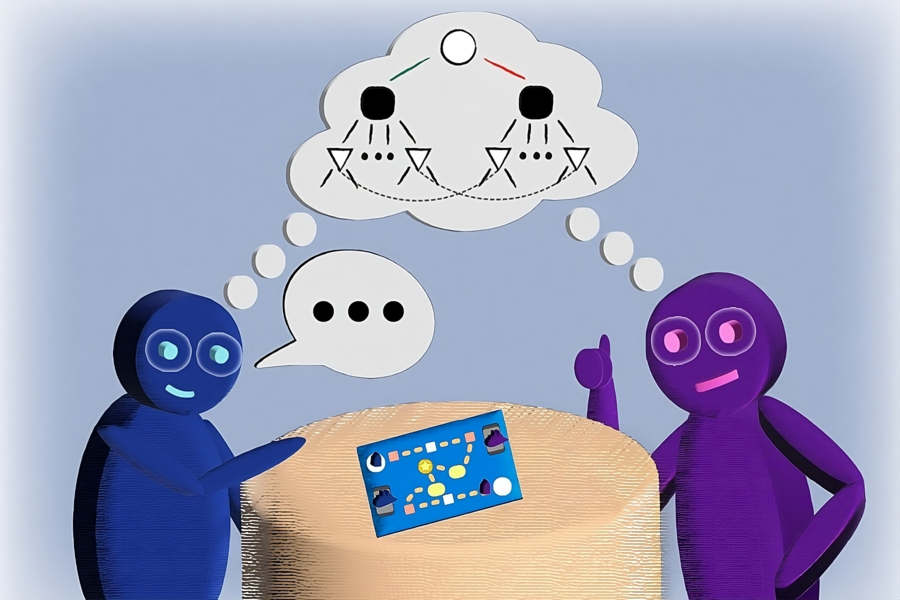
Imagine you and a friend are playing a game where your goal is to communicate secret messages to each other using only cryptic sentences. Your friend's job is to guess the secret message behind your sentences. Sometimes, you give clues directly, and other times, your friend has to guess the message by asking yes-or-no questions about the clues you've given. The challenge is that both of you want to make sure you're understanding each other correctly and agreeing on the secret message.
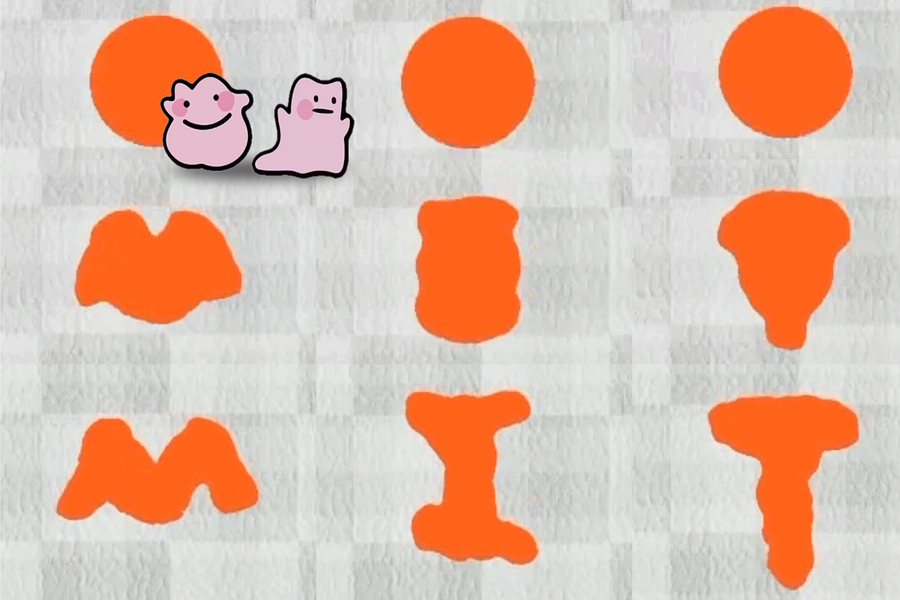
Imagine a slime-like robot that can seamlessly change its shape to squeeze through narrow spaces, which could be deployed inside the human body to remove an unwanted item.
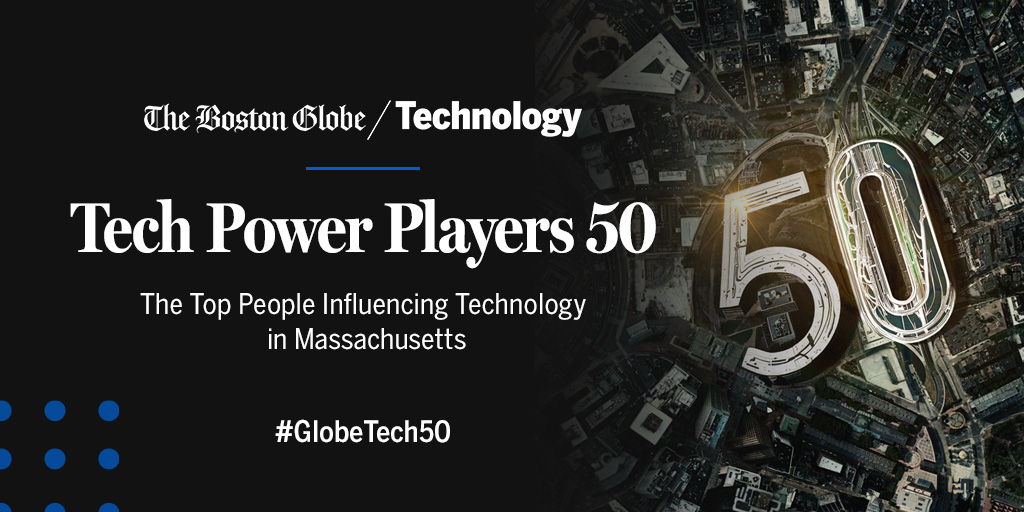
CSAIL Director & Liquid AI Co-Founder Professor Daniela Rus has been named to the third annual Tech Power Players 50, a list of the most influential – and interesting – people in the New England technology scene, as ranked by The Boston Globe’s business journalists and an external advisory.
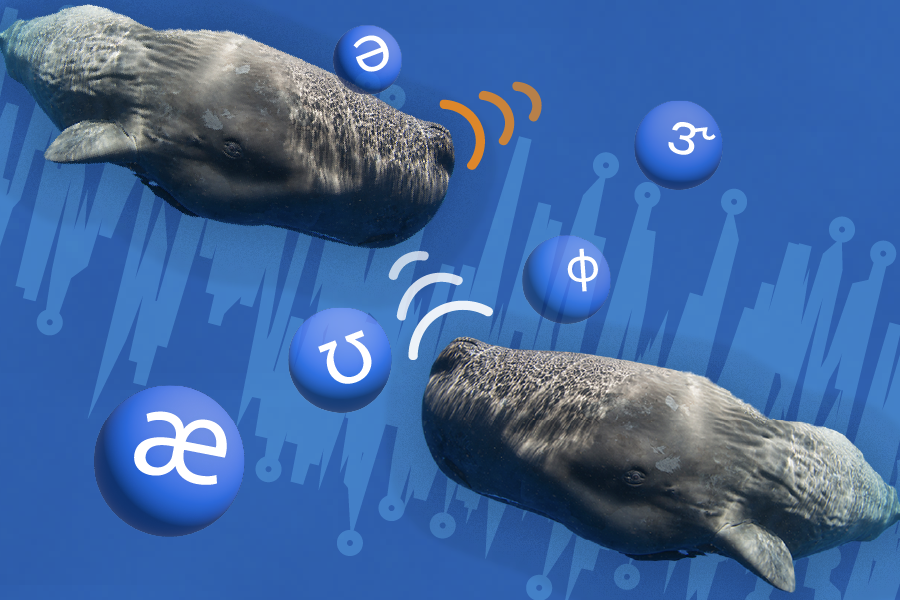
The allure of whales has stoked human consciousness for millennia, casting these ocean giants as enigmatic residents of the deep seas. From the biblical Leviathan to Herman Melville's formidable Moby Dick, whales have been central to mythologies and folklore. And while cetology, or whale science, has improved our knowledge of these marine mammals in the past century in particular, studying whales has remained a formidable a challenge.
We are developing tools to enable physically-embodied, spatial AI as a "technological superpower" for Robots and Humans. Semantic simultaneous localization and mapping can enable long-lived autonomous systems to navigate in complex dynamic environments. Our dream is to create mobile robots that can build and maintain models of the world through lifelong learning, improving their performance over time, and helping humans to perform difficult tasks.
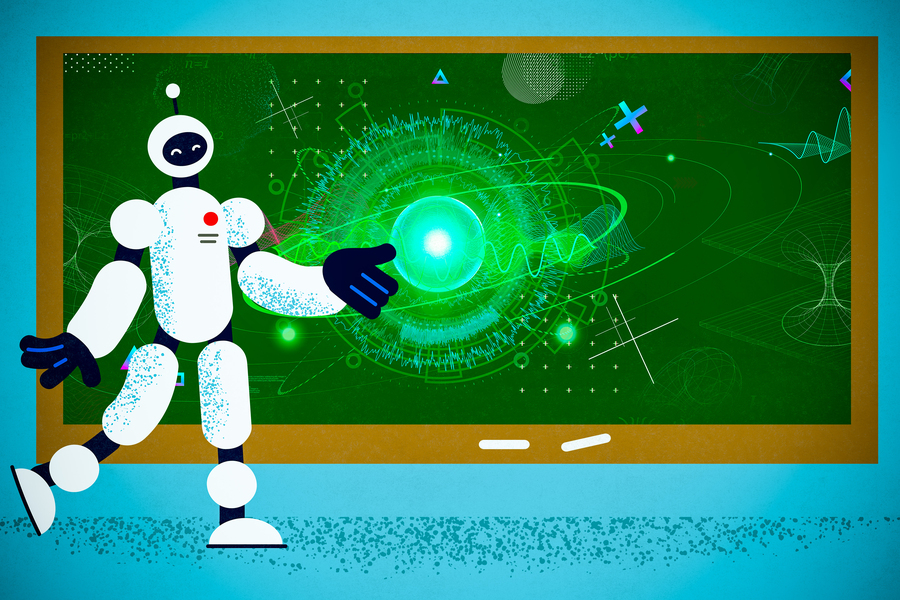
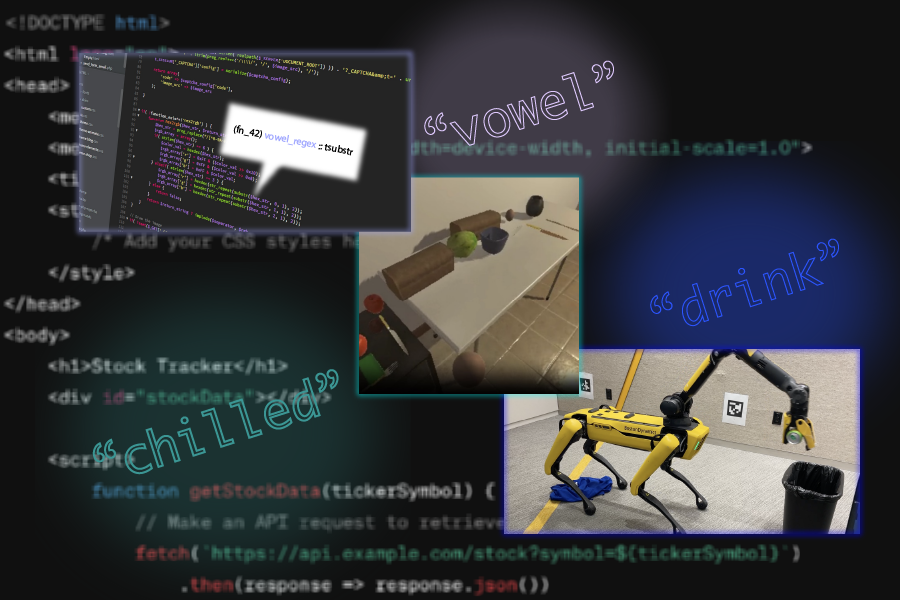
Large language models (LLMs) are becoming increasingly useful for programming and robotics tasks, but for more complicated reasoning problems, the gap between these systems and humans looms large. Without the ability to learn new concepts like humans do, these systems fail to form good abstractions — essentially, high-level representations of complex concepts that skip less-important details — and thus sputter when asked to do more sophisticated tasks.