Generative AI Playbook: Tools, Real-World Applications, and Governance is a six-week online program from MIT xPRO designed for professionals who need disciplined, real-world judgment in generative artificial intelligence (gen AI). These technologies, AI and gen AI, are reshaping how organizations create value, enhancing productivity, influencing customer experiences, and redefining operational efficiency across industries. As a result, leaders are increasingly expected to evaluate their potential despite limited visibility into how these systems actually operate.
Add to calendarAmerica/New_YorkGenerative AI Playbook: Tools, Real-World Applications, and Governance09/30/2026
Generative AI Playbook: Tools, Real-World Applications, and Governance is a six-week online program from MIT xPRO designed for professionals who need disciplined, real-world judgment in generative artificial intelligence (gen AI). These technologies, AI and gen AI, are reshaping how organizations create value, enhancing productivity, influencing customer experiences, and redefining operational efficiency across industries. As a result, leaders are increasingly expected to evaluate their potential despite limited visibility into how these systems actually operate. This program builds the clarity required to assess how gen AI functions in practice, where its limits lie, and how responsible deployment should be governed.
As artificial intelligence models become increasingly prevalent and are integrated into diverse sectors like health care, finance, education, transportation, and entertainment, understanding how they work under the hood is critical. Interpreting the mechanisms underlying AI models enables us to audit them for safety and biases, with the potential to deepen our understanding of the science behind intelligence itself.
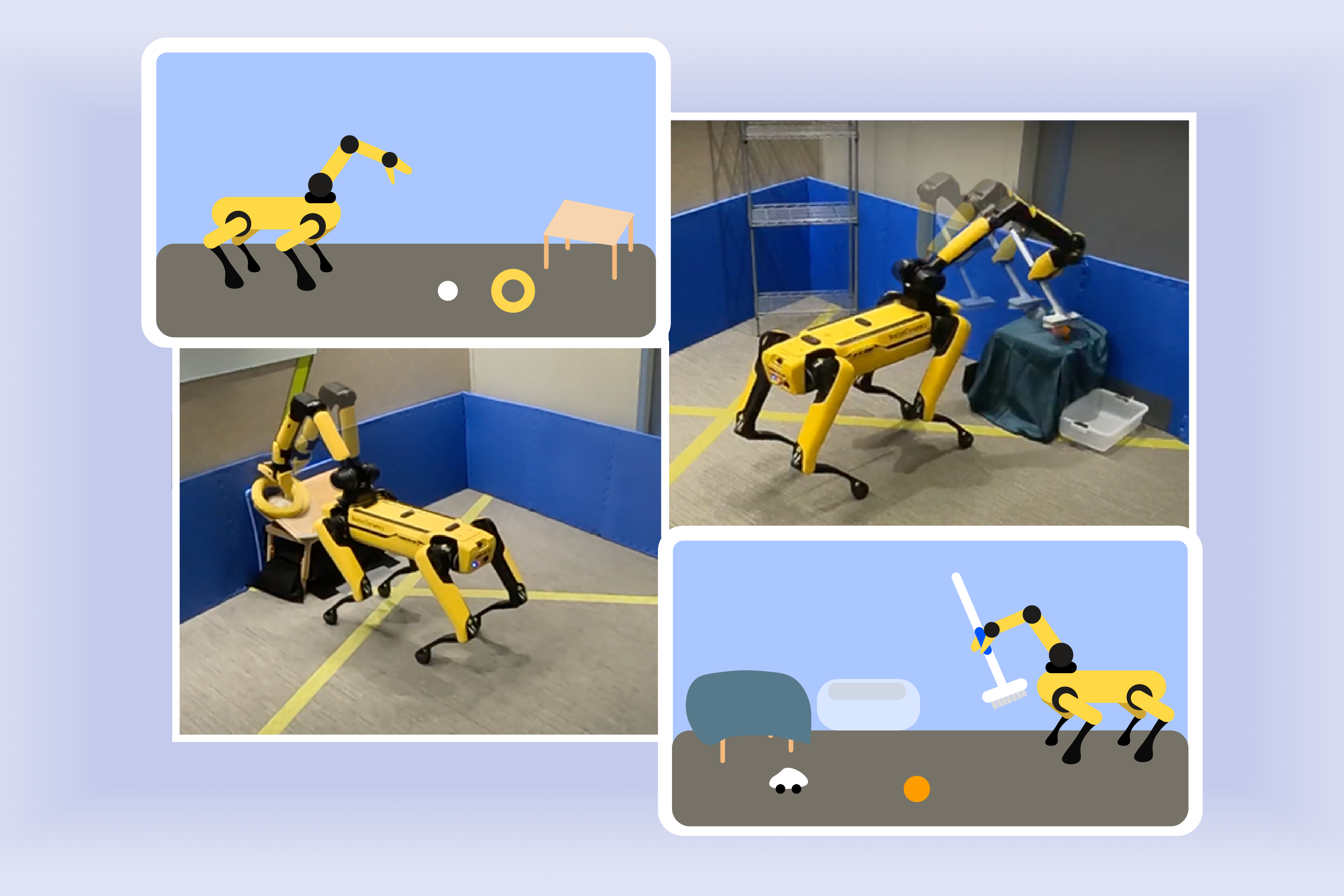
Neural networks have made a seismic impact on how engineers design controllers for robots, catalyzing more adaptive and efficient machines. Still, these brain-like machine-learning systems are a double-edged sword: Their complexity makes them powerful, but it also makes it difficult to guarantee that a robot powered by a neural network will safely accomplish its task.
Because machine-learning models can give false predictions, researchers often equip them with the ability to tell a user how confident they are about a certain decision. This is especially important in high-stake settings, such as when models are used to help identify disease in medical images or filter job applications.
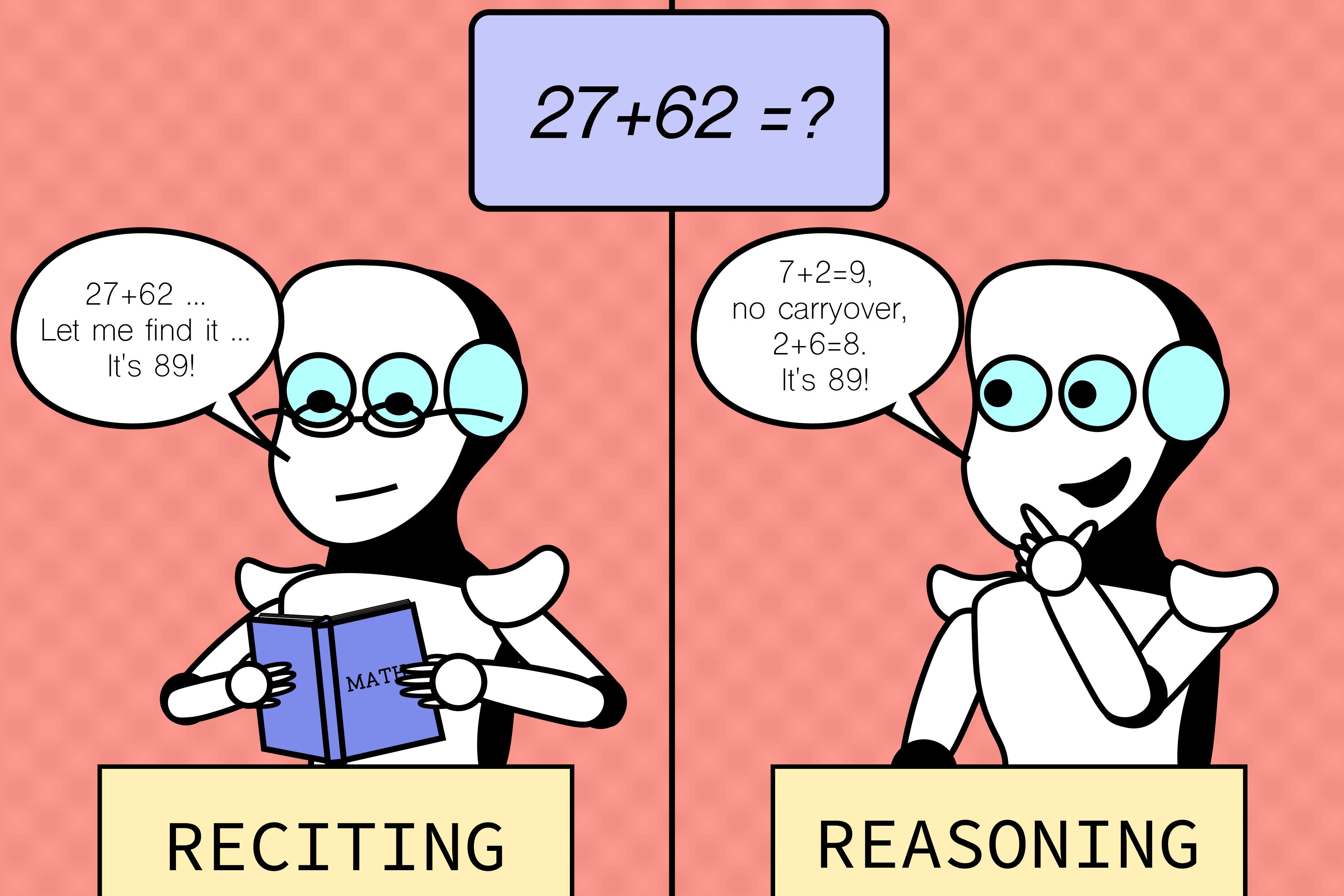
When it comes to artificial intelligence, appearances can be deceiving. The mystery surrounding the inner workings of large language models (LLMs) stems from their vast size, complex training methods, hard-to-predict behaviors, and elusive interpretability.
As a child, I often accompanied my mother to the grocery store. As she pulled out her card to pay, I heard the same phrase like clockwork: "Go bag the groceries." It was not my favorite task.